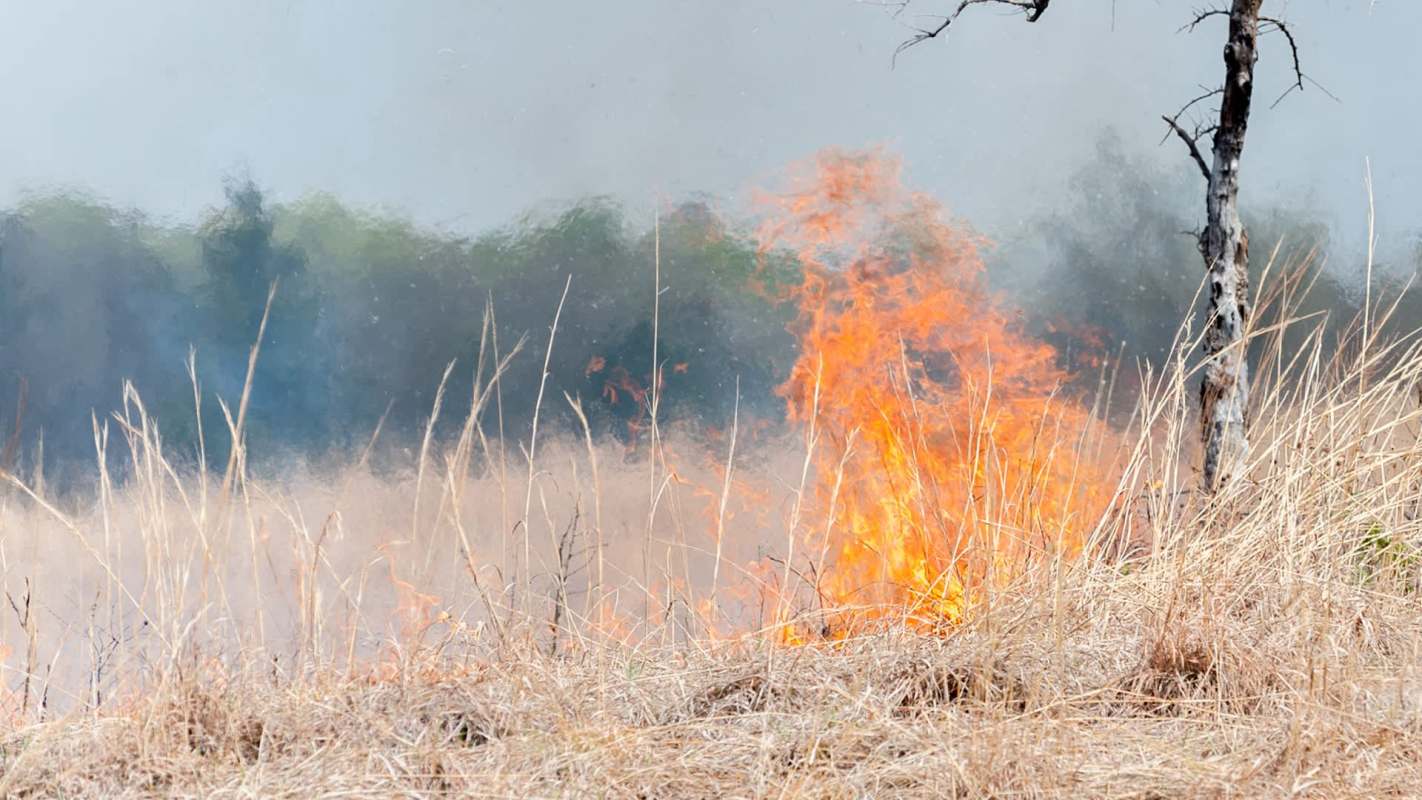
In North Dakota, a combination of intensified drought and dry vegetation has raised the risk of fast-moving wildfires.
In response, Gov. Kelly Armstrong has declared a statewide fire emergency, signaling that officials view wildfire danger as an immediate threat to communities and habitats.
What's happening?
In an August 7 press release, Armstrong said the order was prompted by worsening drought across North Dakota, which has left grasses, fields, and other vegetation especially susceptible to ignition.
A statewide fire emergency does not mean every community is currently facing an active blaze, but it does indicate concern over how quickly a single spark could grow into a larger wildfire under hot, dry, and windy conditions.
In a state where agriculture, open land, and rural roadways create long stretches of exposed, flammable terrain, equipment, spark-prone towing chains, campfires, debris burning, and other typical tools and activities can become much more dangerous when the landscape is this dry.
Why is this concerning?
Wildfires fueled by drought can threaten far more than trees and grass in the heavily agricultural state. They may trigger evacuations, damage homes and farms, harm animals, destroy grazing land, disrupt harvest operations, and strain emergency services already spread thin across large rural areas.
TCD Picks » Quince Spotlight
💡These best-sellers from Quince deliver affordable, sustainable luxury for all




Worsening extreme weather disasters put lives and livelihoods at risk by affecting community safety, public health, and economic stability all at once.
Fires can cause road closures that isolate residents. Smoke can aggravate asthma and other preexisting health conditions. And losses to crops, livestock, fencing, and equipment can also leave families and small businesses facing major recovery costs.
In North Dakota, these dangers may be heightened because so much of daily life depends on the land. When drought dries out pasture and fields, the effects can ripple outward to ranchers, truckers, local businesses, and the broader food system.
What can be done?
The most immediate step is to follow local burn bans or restrictions and avoid unnecessary outdoor burning.
People can also reduce fire risks by checking trailer chains, maintaining farm and yard equipment, avoiding parking hot vehicles on dry grass, and using extra caution with anything else that can throw sparks.
Households in fire-prone areas can also take practical steps to protect themselves, including clearing brush or dry debris near structures, creating evacuation plans, and preparing essentials in case they need to leave quickly.
Wildfire smoke can travel far beyond the fire line, making air quality alerts, masks, and indoor air filtration options important, especially for children, older adults, pregnant people, outdoor workers, and those with lung or heart conditions.

Get TCD's free newsletters for easy tips, smart advice, and a chance to earn $5,000 toward home upgrades. To see more stories like this one, change your Google preferences here.