


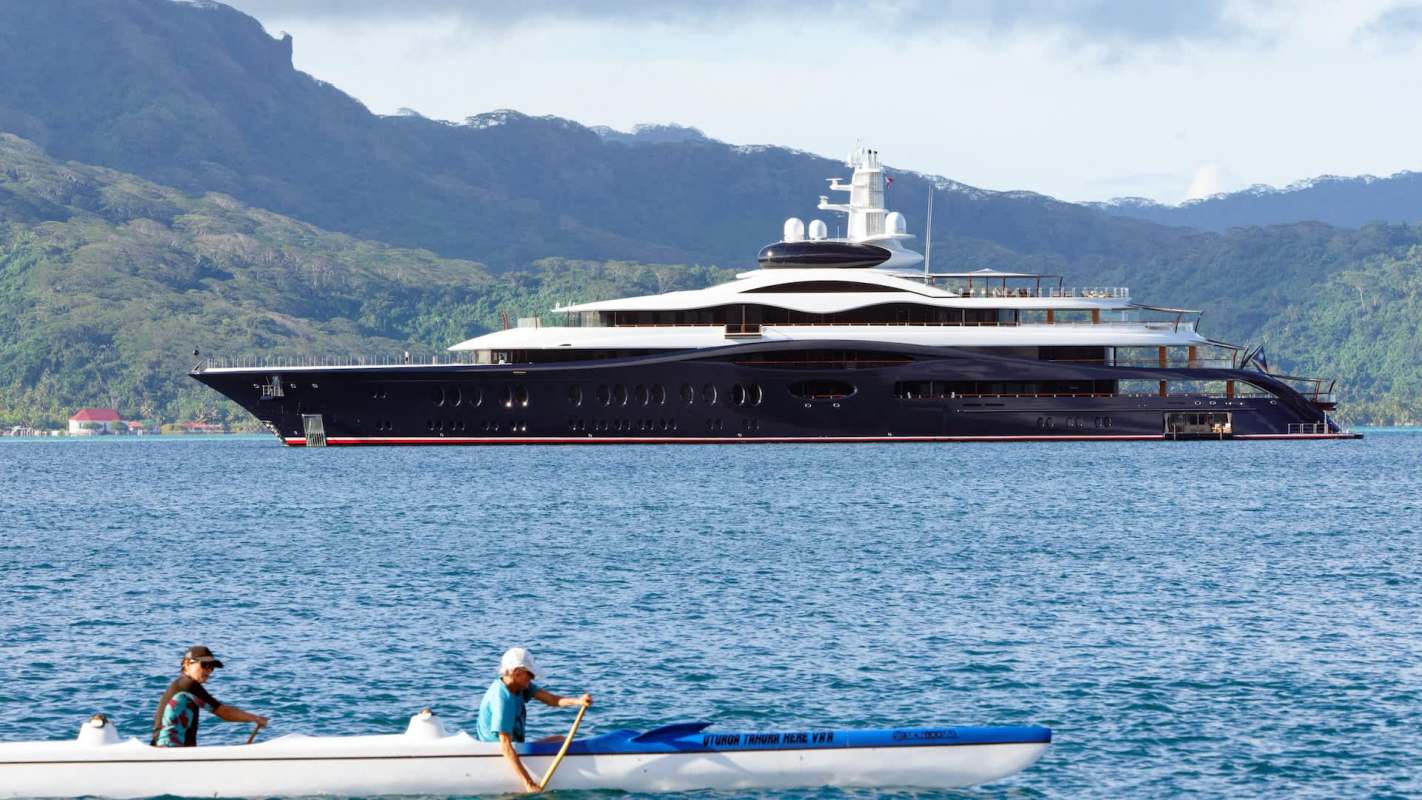
A superyacht and a support vessel owned by Meta CEO Mark Zuckerberg reportedly traveled past a stranded boat off Alaska without stopping.
However, one key detail remains unconfirmed: There is no public proof that either yacht was directly asked to assist and then refused.
What happened?
According to Luxurylaunches, the controversy centers on Launchpad, Zuckerberg's luxury superyacht, and Wingman, its support vessel, following an overnight boating incident that left a boat stranded.
Neither boat responded to the smaller boat's requests for assistance, and cruise ship Wilderness Legacy instead provided help.
Michael Love, who was aboard Wilderness Legacy, said the ship's captain told passengers that Launchpad had been closer to the smaller boat and had not responded. He later said he had only heard that portion from others and did not witness it himself.
Love said the incident took place at about 1 a.m. and that Wilderness Legacy ultimately moved toward the stranded vessel. He said the rescue unfolded close enough for him to observe it from his cabin.
TCD Picks » Quince Spotlight
💡These best-sellers from Quince deliver affordable, sustainable luxury for all




The article later described a review of historical AIS, or Automatic Identification System, data that appeared to place Launchpad ahead of Wilderness Legacy in the same area, with the yacht slowing or stopping before continuing on. Wilderness Legacy, meanwhile, appears to have turned toward the smaller boat.
However, AIS data cannot reveal what happened on the yacht's bridge, cannot confirm whether the crew received any Coast Guard transmission, and cannot show whether Zuckerberg was even on board at the time.
The YouTube channel The Yacht Report (@YachtReport) examined an eyewitness account, vessel-tracking data, and the rules governing assistance at sea.
Why does it matter?
Helping at sea is not simply a courtesy. In remote Alaskan waters, where darkness, weather, and distance can quickly turn a mechanical problem into a dangerous situation, mariners often rely on one another.
International maritime law generally requires captains to help people facing genuine distress, as long as doing so would not put their own vessel, crew, or passengers in serious danger.
Still, that obligation is more nuanced than it may appear online. A Coast Guard Marine Assistance Request Broadcast is not the same as a Mayday call or a confirmed distress situation.
If the smaller boat needed non-emergency assistance, nearby vessels may not have faced the same legal duty they would in a true distress event. If either vessel received a direct Coast Guard instruction during a genuine emergency, the legal picture could look very different.
What's being done?
AIS records can help reconstruct vessel movements.
Distress classifications, radio protocols, and emergency broadcasts are intended to clarify when a situation is urgent and which vessels may be expected to respond.
Preparation remains critical in remote coastal areas. Small-boat operators can reduce risk by carrying a working VHF radio, emergency locator equipment, and updated navigation tools. Cruise and charter passengers can also ask operators about emergency response procedures before departure.
The available evidence does not settle the matter. Launchpad appears to have been in the area, and Wilderness Legacy did provide assistance, but there is still no confirmation that either of Zuckerberg's vessels turned down an actual request to help the stranded boat.

Get TCD's free newsletters for easy tips, smart advice, and a chance to earn $5,000 toward home upgrades. To see more stories like this one, change your Google preferences here.







