


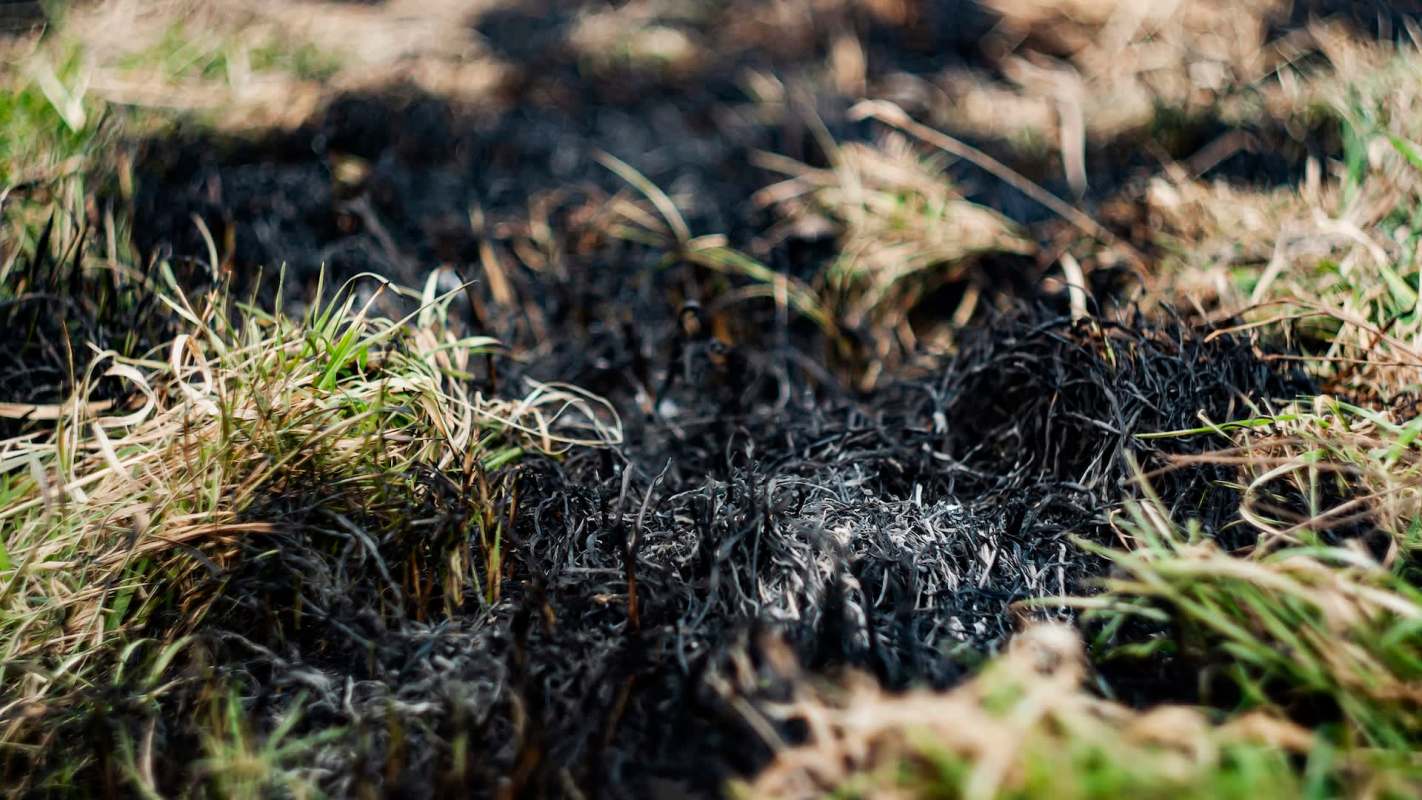
Britain's wildfire danger may owe less to overly wild nature than to uplands that have become dry, stripped down, and more prone to catching fire.
That is the case made in an analysis published by The Conversation, which argues that intentional rewilding could turn neglected tinderboxes into wetter, more varied uplands that are harder to burn.
What's happening?
Almost every wildfire in Britain is started by people, but how big those fires become depends greatly on the kind of terrain they enter, The Conversation argued.
Although Britain's bare upland moors are often treated as ancient features, many were heavily reshaped by drainage, grazing, pollution, and repeated burning. As a result, some of these landscapes are now much easier to ignite than they used to be.
Nearly 80% of England's peatlands are dry and degraded, and only about 1% are mainly covered by water-holding Sphagnum mosses.
In those conditions, dried heather can carry flames quickly across the surface, while very dry peat can let fire burn down into carbon-rich ground. The article said that, rather than assuming rewilding necessarily raises fire danger, restoring healthier ecosystems could rebuild "nature's fire defences."
TCD Picks » Quince Spotlight
💡These best-sellers from Quince deliver affordable, sustainable luxury for all




Why does it matter?
The consequences of a wildfire are much broader than blackened moorland.
As fires grow larger, they can endanger homes, interrupt recreation, foul the air with smoke, destroy wildlife habitat, and send carbon that peatlands have stored for long periods back into the atmosphere. Peat fires are especially troubling because peat both holds enormous carbon reserves and helps the land retain water.
Once peatlands become dry enough to burn, the damage can be deep and long-lasting. Restoring them afterward is slow and expensive.
The article said Earth's warming is raising the stakes. In a hotter, drier climate, landscapes already simplified by human activity may be less able to slow fire, absorb water, or keep flames contained.
For residents, land managers, and emergency responders facing increasingly intense fire conditions, land management is as much about resilience as it is about conservation.
What's being done?
The ideas being proposed are aimed at reducing how uniformly flammable the uplands are and increasing ecological diversity.
Bog restoration is a central part of that approach. The Conversation said this can involve blocking drains, covering exposed peat again, and bringing back Sphagnum moss so the ground stays wetter. It also pointed to analysis of Scotland's wildfires after 2019, which found the most severe burning in degraded peat and better outcomes in wetter, restored peatlands.
The article also highlighted re-meandering streams, reconnecting floodplains, and restoring wetlands and ponds so damp river corridors can help slow or interrupt fire spread. In the North York Moors, six beaver dams increased water storage and dry-weather flows, offering another example of natural processes strengthening landscapes.
It pointed to mixed grazing animals as a way to create more uneven vegetation, along with restoring more broadleaf woodland. The article cited Spanish research of more than 26,000 wildfires, finding that broadleaf woodland was the least likely to ignite and reduced modeled fire intensity by a factor of five even under extreme fire weather.
Britain's uplands may still evoke Charlotte Brontë's "the purple moors" and "a wilderness of heath." But as the article suggested, a safer future may depend more on the kind of landscape ecologist Oliver Rackham described when he wrote: "English native woods burn like wet asbestos."

Get TCD's free newsletters for easy tips, smart advice, and a chance to earn $5,000 toward home upgrades. To see more stories like this one, change your Google preferences here.






