


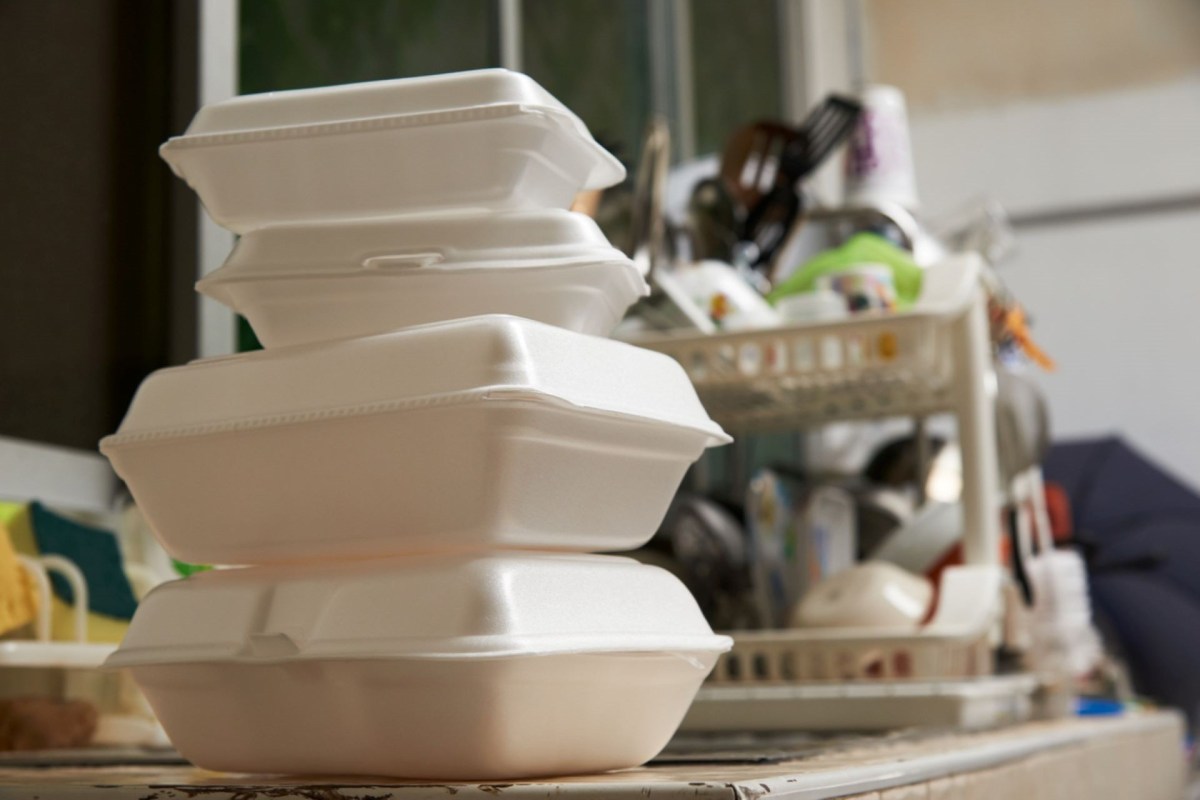
One homeowner, hoping to cut back on spending for new food storage containers and reduce waste, turned to Reddit after growing frustrated with stacks of takeout packaging and leftovers that kept getting lost in the back of the refrigerator.
What happened?
In a post on Reddit, the original poster explained they set a goal in July to avoid buying any new storage containers, bags, or wrap. After the month, they said that reusing jars and older containers was mostly enough for groceries but takeout and prepared meals kept complicating the plan.
Odd work hours had the user regularly picking up takeout, which meant disposable packaging kept coming home too. The poster said they had tried bringing their own container from home, but when restaurant workers seemed unsure what to do with it, the effort felt awkward, and they still ended up with "the usual plastic clamshells and little sauce cups anyway."
The problem carried over into the refrigerator. According to the poster, leftovers stored in a mismatched assortment of jars and old containers were easy to lose track of, so food kept getting buried and forgotten instead of eaten.
"I hate wasting food more than I hate clutter," the poster wrote. "So I want a better system."
Among the first responses were ideas for making stored food more visible. One commenter said, "we have a small whiteboard on the fridge and write down what's inside the fridge and freezer and what date things were made to help keep track of everything."
TCD Picks » Quince Spotlight
💡These best-sellers from Quince deliver affordable, sustainable luxury for all




Why does it matter?
This kind of challenge hits two parts of a household budget at once: packaging waste and food waste.
When leftovers disappear into the back of the fridge, money spent on groceries, batch-cooked meals, and even takeout often goes to waste. A simple system that reminds homeowners of what they've already prepared can stretch food dollars without requiring a major shopping overhaul.
The thread also showed the limits of relying on perfect personal habits alone. Several commenters pointed out that restaurants may be reluctant to accept containers from outside their kitchens because of workflow or sanitation concerns, even when customers are willing to bring their own.
Many of the most practical ideas were about making decisions easier at a glance. One commenter suggested a sticky note system on the side of the fridge to track their available foods and meals.
Another commenter said having records of leftovers outside the fridge was "a game changer as someone with ADHD who definitely struggles with object permanence (fridge door shuts, food ceases to exist)."
That kind of visual reminder can mean fewer spoiled vegetables, fewer replacement meals, and less last-minute spending on food.
The thread's most popular advice centered on workflow. A whiteboard, sticky note, or dry-erase marker can turn a crowded fridge into a quick inventory by showing what is inside, when it was made, and what should be eaten first.
That can save time on rushed evenings and make batch cooking more likely to pay off.
For takeout, the most realistic suggestions were flexible. Some commenters said to choose restaurants whose containers are sturdy enough to reuse for lunches or leftovers, while others said it may be easier to transfer food into your own containers once you get home. Saving small sauce cups for dips or dressings was another easy win.
Overall, commenters emphasized routines over shopping for a perfect matching set. A system that is easy to follow can reduce clutter, cut wasted food, and help households get more meals from the groceries they already bought.

Get TCD's free newsletters for easy tips, smart advice, and a chance to earn $5,000 toward home upgrades. To see more stories like this one, change your Google preferences here.







