


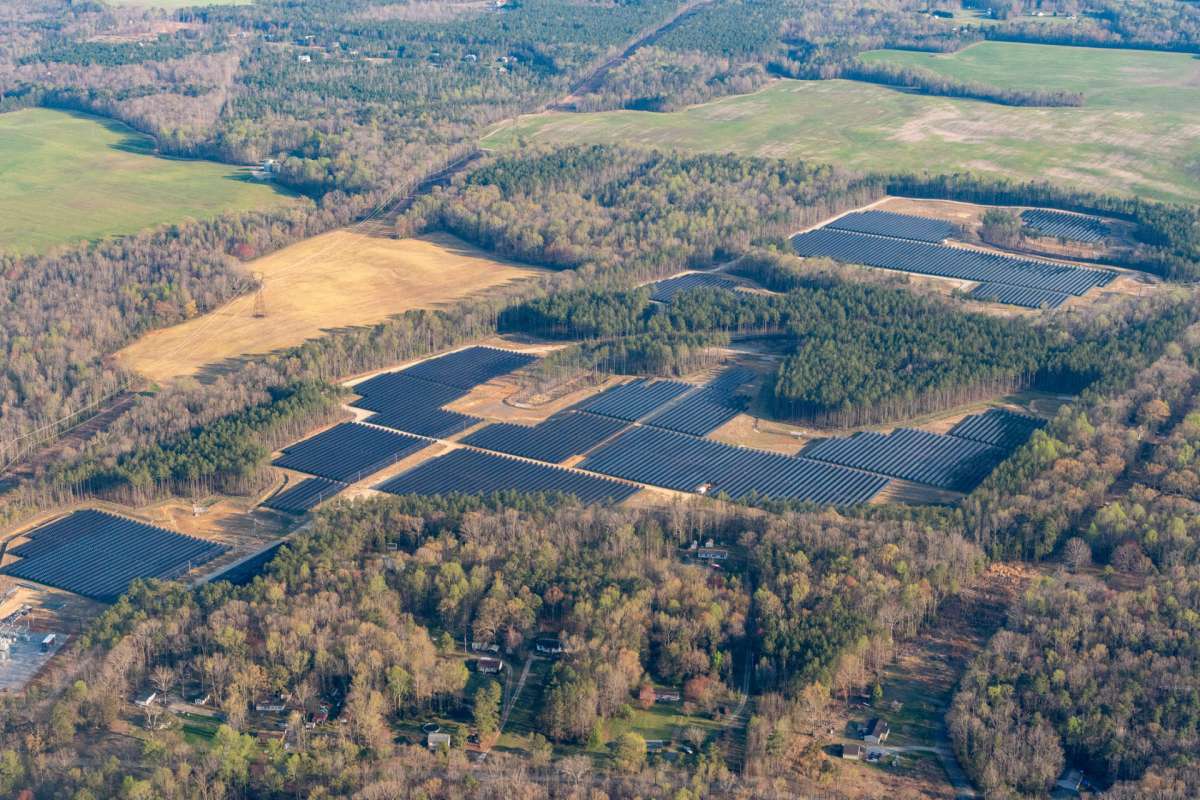
More Virginia homeowners are gaining access to potentially lower electricity bills as state officials and energy developers expand a shared solar program that allows residents to subscribe to community solar projects and receive credits on their monthly utility bills.
What's happening?
According to WVIR, Virginia Governor Abigail Spanberger signed bipartisan legislation that allows an expanded shared solar program intended to both broaden access around the commonwealth and reduce electricity costs.
Under the program, customers don't need to install solar panels on their own roofs. Instead, they subscribe to a portion of a larger solar project located elsewhere, allowing them to support renewable energy generation and receive credits on their electricity bills without having to purchase or maintain a rooftop system themselves.
That arrangement can produce credits on electric bills, making solar a more practical option for renters, apartment residents, and homeowners whose properties are not a good fit for rooftop systems.
Why does it matter?
For many households, one of the biggest barriers to using solar energy is that rooftop installations are not practical.
Some people rent. Others live in shaded homes, multifamily buildings, or neighborhoods where upfront costs make private systems difficult to justify.
TCD Picks » Quince Spotlight
💡These best-sellers from Quince deliver affordable, sustainable luxury for all




By allowing more ratepayers to buy into a larger project, the program can extend clean energy benefits beyond higher-income homeowners and make bill savings available to a broader range of Virginians.
When energy costs rise, households often have fewer ways to cut back, especially during hot summers and cold winters. Programs that create more opportunities to save can offer relief without requiring families to make major upgrades to their homes.
Expanding access to solar can also reduce dependence on fossil-fuel-powered electricity, helping limit the pollution that contributes to extreme weather and poor air quality.
What's being done?
Virginia leaders are taking a policy-driven approach by expanding the framework for shared solar rather than relying solely on individual rooftop adoption.
The bipartisan support behind the legislation suggests shared solar has appeal across political lines, especially when it is framed around consumer choice, local energy development, and lower monthly bills.
Clean energy companies and research groups are also helping shape the next phase of the effort.
If the expansion works as supporters expect, more households across the commonwealth could gain access to cleaner power and lower bills without needing rooftop panels.

Get TCD's free newsletters for easy tips, smart advice, and a chance to earn $5,000 toward home upgrades. To see more stories like this one, change your Google preferences here.






