


California is still the country's solar heavyweight, but Texas is much closer behind than many people may expect.
Together, the two states are helping drive a broader shift as solar becomes a bigger part of how Americans power their homes, businesses, and cities.
Nine states in particular are setting the pace, showing that the solar boom is no longer limited to one region or one political playbook.
What's happening?
SEIA's June 2026 data, cited by BGR, show just how close the race has become.
Texas has 53,568 megawatts of installed solar capacity, while California leads with 55,510 MW.
Florida, Arizona, North Carolina, Illinois, Nevada, New York, and Virginia make up the rest of the top nine.
Those nearly neck-and-neck totals come from very different paths. California's rise has been driven by strong clean-energy policies and broad rooftop-solar adoption, while Texas has built out enormous utility-scale projects even as it remains the country's top oil producer.
The list also makes clear that states are not growing solar in the same way. Florida has focused heavily on large utility projects, Arizona and North Carolina are expanding agrivoltaics, and Nevada now gets 33.5% of its electricity from solar.
Save $10,000 on solar panels without even sharing your phone number Want to go solar but not sure who to trust? EnergySage has your back with free and transparent quotes from fully vetted providers that can help you save as much as $10k on installation. To get started, just answer a few questions about your home — no phone number required. Within a day or two, EnergySage will email you the best local options for your needs, and their expert advisers can help you compare quotes and pick a winner. |

Going solar is also one of the best ways to save money on home energy. If you're curious about costs, you can use EnergySage's free tools to get quick solar installation estimates and compare quotes.
Why does it matter?
More solar on the grid can deliver several benefits at once: lower power costs, less pressure on aging infrastructure, and less pollution from coal, oil, and gas.
For households, it can also mean steadier utility bills and, in some places, savings that reach tens of thousands of dollars over time.
Megawatts alone don't capture the full picture. California has built solar generation alongside storage on a massive scale, while states including Illinois, New York, and Virginia still have comparatively limited battery capacity relative to their solar output.
More From EnergySage
💡Go deep on the latest news and trends shaping the residential solar landscape
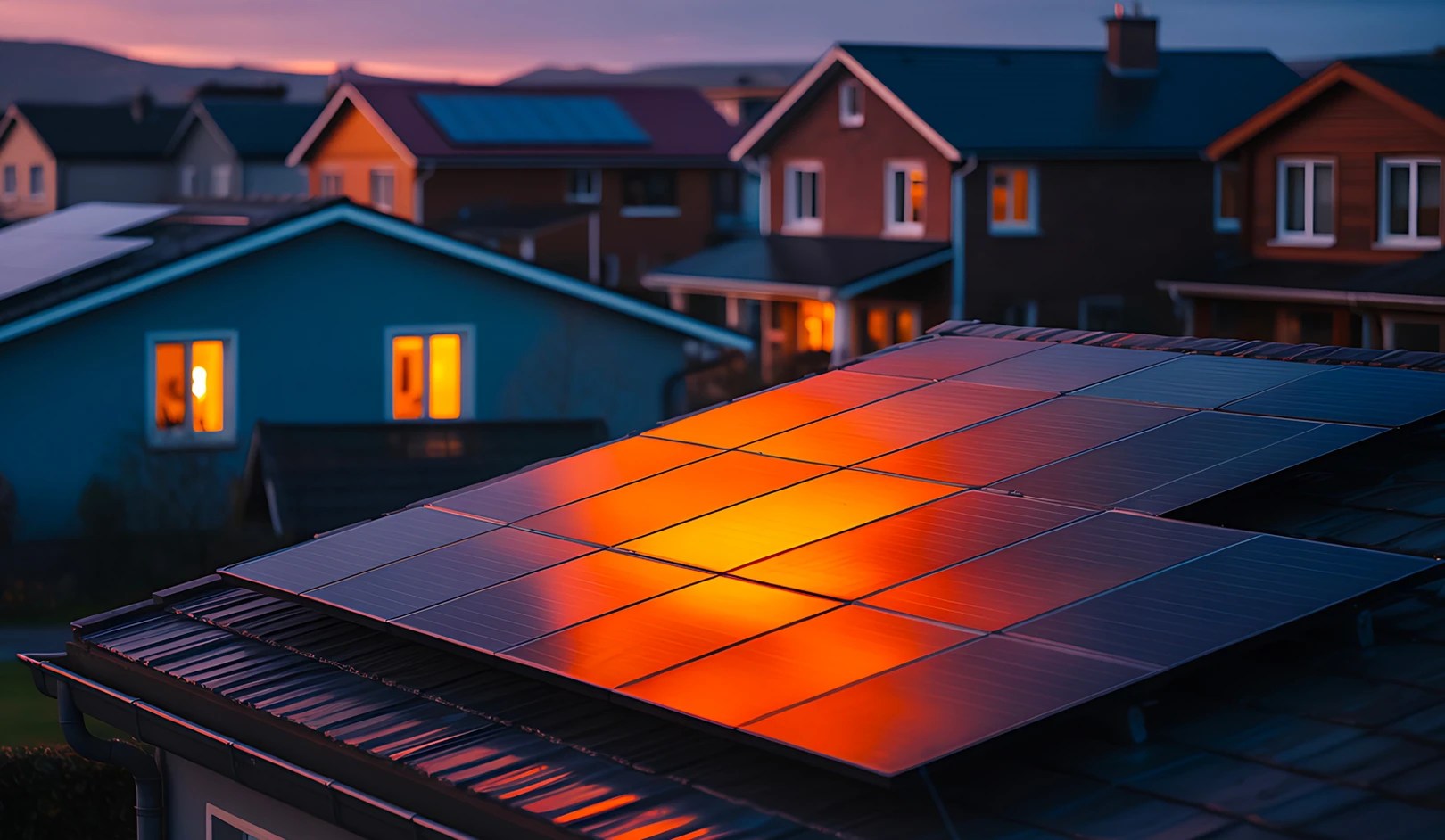

Cheap solar power is most abundant during sunny parts of the day, but batteries make it possible to use that energy later — during evenings, heat waves, and outages. That added backup matters even more in areas that regularly deal with extreme weather, from Florida hurricanes to intense Western heat.
The benefits extend beyond household bills. Dual-use solar projects can help farmers, programs can bring cheaper electricity to schools and low-income communities, and cleaner power can support growing industries such as data centers.
What's being done?
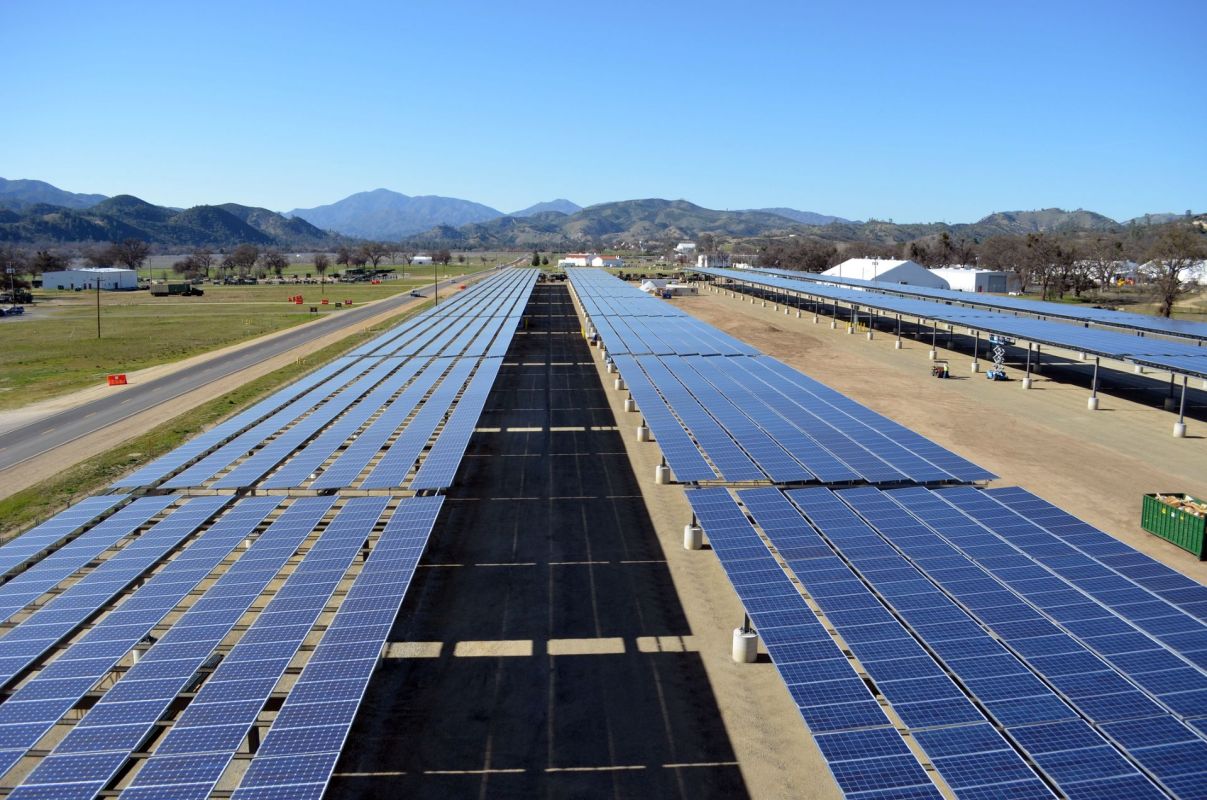
There is no single template for how states are moving forward. California is experimenting with canal-top solar through Project Nexus, Arizona is putting panels above crops, North Carolina has grown its community-solar efforts, and New York is supporting rooftop and cooperative projects. Nevada, meanwhile, is adding solar canopies to parking lots.
For consumers, free planning tools can make a big difference. EnergySage's solar map shows the average cost of a home solar panel system on a state-by-state level, along with details on solar panel incentives for each state.
Together, those resources can help readers get the best price for rooftop solar panels and access available incentives.
EnergySage's free services can also take some of the guesswork out of a major purchase. With EnergySage's help, the average person can save up to $10,000 on solar purchases and installations.
Adding battery storage to a solar setup is one of the best ways to protect your home during outages, save money on energy, and go off grid. You can explore EnergySage's free tools for information about home battery storage options, including competitive installation estimates.
California may still be number one, but solar is spreading quickly across very different states. As more places pair panels with storage, broader community access, and smarter incentives, cleaner, cheaper power could become easier for far more Americans to tap.

Get TCD's free newsletters for easy tips, smart advice, and a chance to earn $5,000 toward home upgrades. To see more stories like this one, change your Google preferences here.






