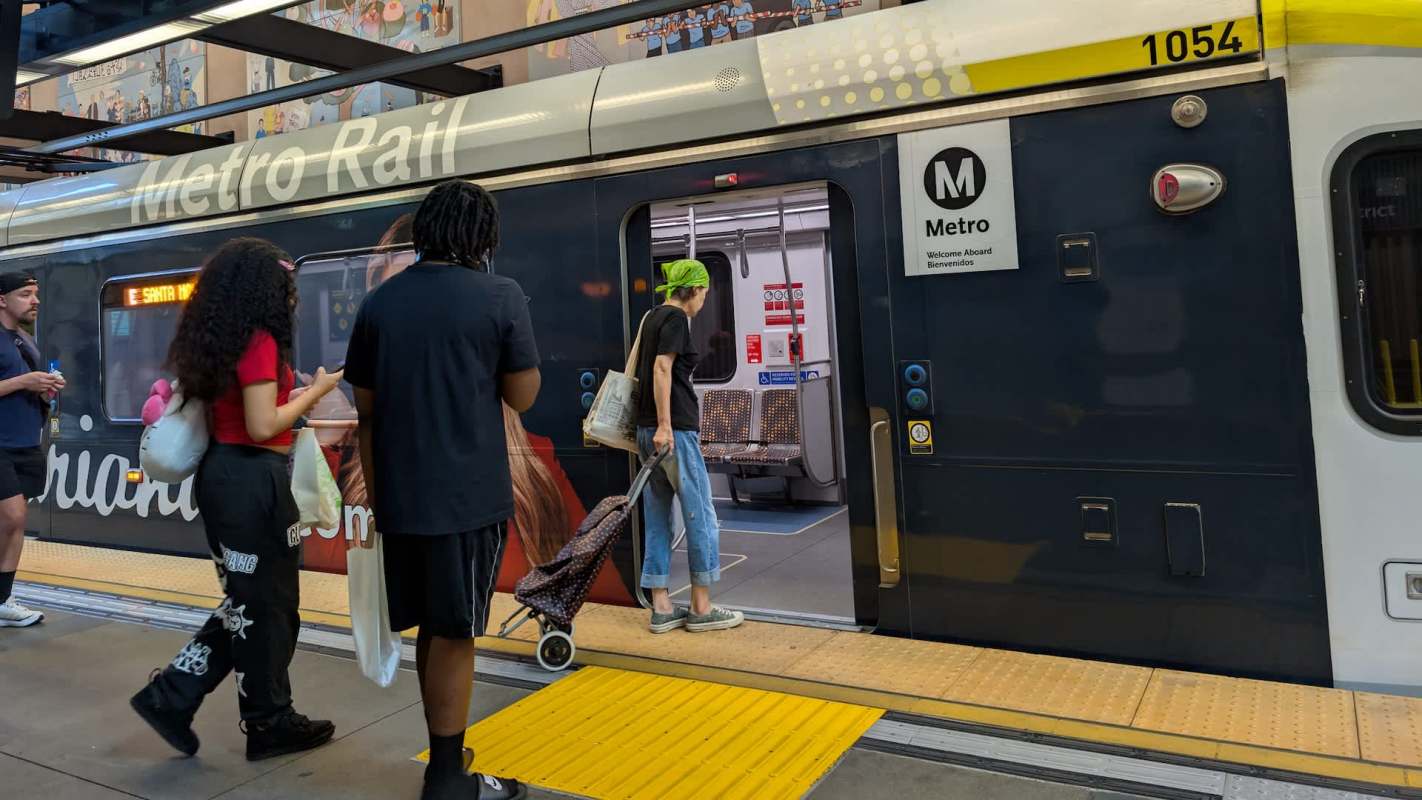
Los Angeles County residents who can leave one household car parked may be able to earn up to $600 through an expanded Metro pilot program.
The initiative aims to convert L.A. County's traffic and climate goals into a direct financial incentive for households willing to change up their routines.
What's happening?
After beginning in Santa Monica in 2023 with 300 households, Metro's One Car Challenge is being rolled out across Los Angeles County and has expanded to as many as 2,000 households, as reported by Spectrum News 1.
Households can earn up to $120 per week, for a maximum of $600 over five weeks, by leaving one of their cars at home during the five-week program and traveling in other ways. Metro said those options include transit, walking, biking, shared rides, and other forms of transportation.
To track their progress in the challenge, participants will need to submit odometer readings and travel activity through the GoCarma smartphone app. Metro said it will use that data to determine whether cash incentives like this can lower the number of miles people drive, per Spectrum News 1.
Only Los Angeles County residents who are 21 or older are eligible to take part. Metro says the challenge is mainly intended for households with more than one vehicle, though single-car households can also apply, according to Spectrum News 1.
TCD Picks » Quince Spotlight
💡These best-sellers from Quince deliver affordable, sustainable luxury for all




Why does it matter?
For many households, transportation is one of the biggest ongoing expenses after housing. A program that pays people to drive less could help participants save in multiple ways, including through the cash incentive itself and through lower spending on gas, parking, and vehicle wear and tear.
It also addresses a much broader regional problem. Los Angeles is well known for traffic and congestion, and fewer solo car trips could help ease crowding on roads while cutting tailpipe pollution at the same time.
In the program's first phase, Metro found that the pilot produced a 16.16% increase in walking, biking, and public transit use, per Spectrum News 1.
If the countywide expansion shows similar results, local officials could have stronger evidence that cash incentives can work as an ongoing transportation demand management strategy rather than just as a short-term experiment.

Get TCD's free newsletters for easy tips, smart advice, and a chance to earn $5,000 toward home upgrades. To see more stories like this one, change your Google preferences here.