


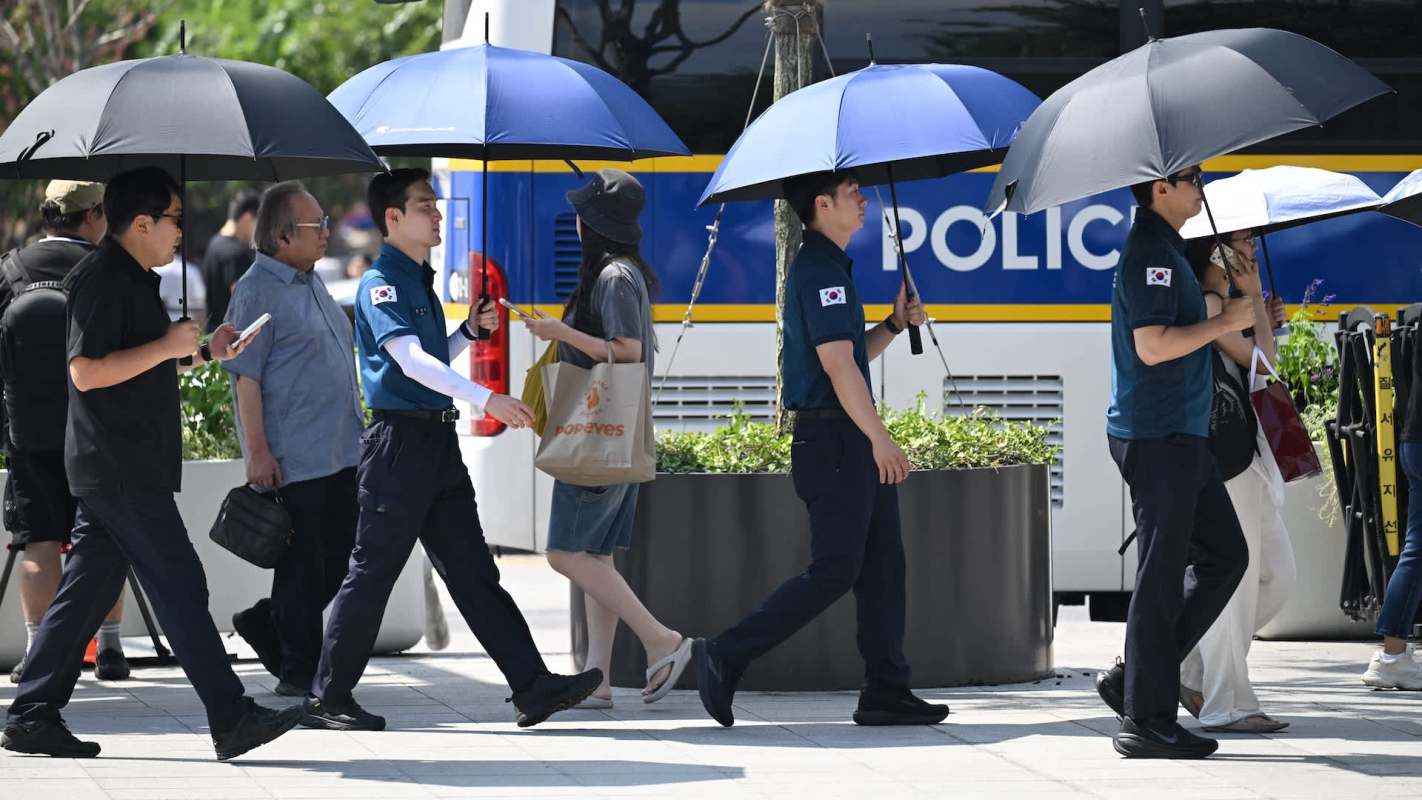
South Korea is beginning to treat extreme heat more seriously after a recent heat wave led to 21 confirmed deaths and over 2,400 heat-related emergency room visits.
The country's professional baseball league is also changing how it operates.
What happened?
As TechTimes reported, after a recent heat wave triggered the nation's highest possible tier heat alert in Seoul for the first time, the Korea Baseball Organization took notice.
The KBO canceled all of its scheduled games through Sunday in an effort to protect both fans and players, as reported by Korea JoongAng Daily. An emergency meeting among the league's general managers led to the decision. Instead of playing over the weekend, the KBO teams are all planning to review their heat safety policies.
Before the latest brutal stretch of heat, the league's policy required at least two consecutive days of temperatures exceeding 95 degrees before games were canceled. Now, anytime the nation's Meteorological Administration issues this highest tier heat warning over a single day, KBO games will be automatically suspended, per TechTimes.
This top-tier Severe Heatwave Warning can be issued at a heat index above 100.4 degrees Fahrenheit or actual air temperatures at or above 102.2 degrees Fahrenheit, per TechTimes.
TCD Picks » Quince Spotlight
💡These best-sellers from Quince deliver affordable, sustainable luxury for all




The KBO is making other policy changes to protect people from extreme heat. Games will include two more cooling breaks for players, including additional breaks after the third and seventh innings, per Korea JoongAng Daily. Games will also start later to help avoid higher mid-afternoon temperatures.
Lower-tier heat alerts will now prompt venue-by-venue heat assessments three hours before the first pitch.
Why does it matter?
Protecting the health and safety of both fans and baseball players is critical. If people don't believe that adequate safety measures are being put in place, the sport and its players will suffer.
Addressing these safety concerns and updating policies is critical as the nation deals with brutal summer temperatures and a warming climate in general.
The heat also put pressure on the weather agency, the emergency response system, the health system, and the power grid.
Seoul received the top heat alert for the first time in recorded history, and the warning spread across a large share of the greater Seoul area, which is home to more than 20 million people.
The Korea Disease Control and Prevention Agency said the 21 confirmed deaths and 2,441 related ER visits had been recorded since May 15, with older adults accounting for a large share of the fatalities, per the Korea Herald.
Unfortunately, the official death count may also understate the full toll. Researchers have found that heat can contribute to deaths that are later recorded as heart, lung, or organ failure rather than heat itself.

Get TCD's free newsletters for easy tips, smart advice, and a chance to earn $5,000 toward home upgrades. To see more stories like this one, change your Google preferences here.






