


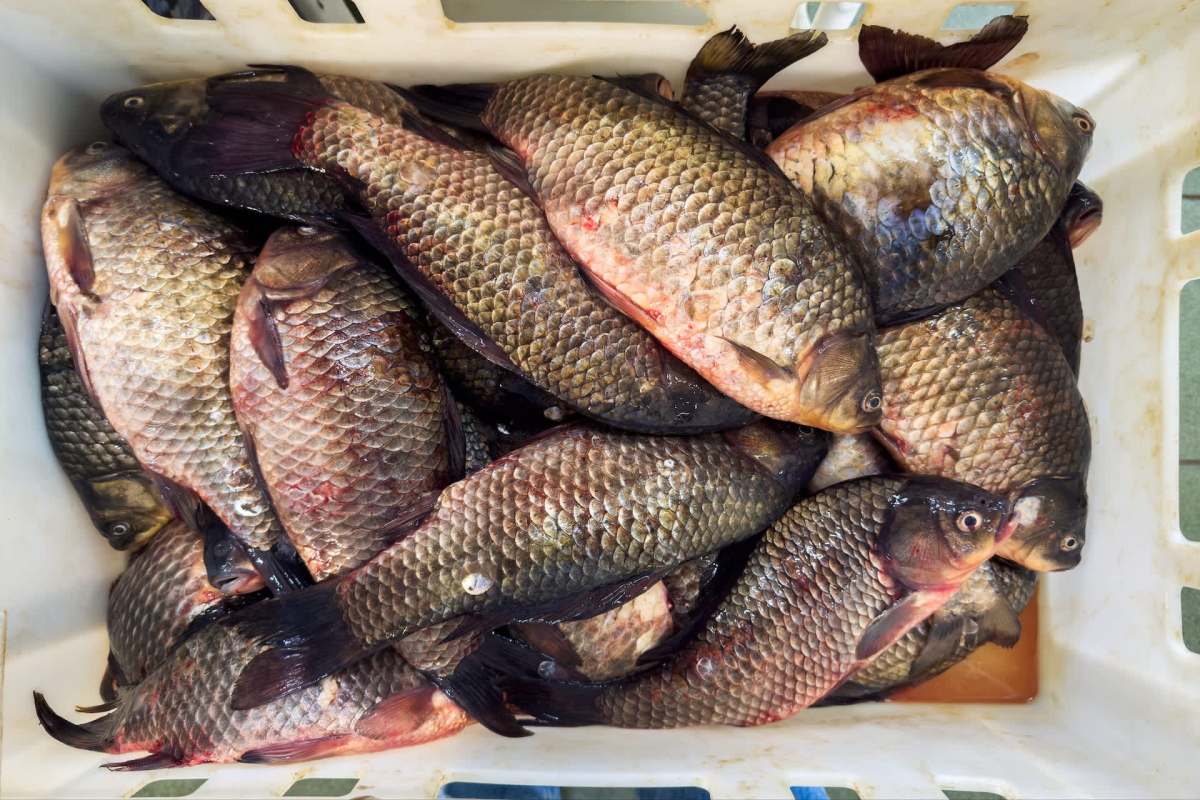
Upper Prior Lake in Minnesota is recovering after years of cloudy, algae-filled water, thanks in part to an unusual tactic that helped crews target invasive carp, as the Minnesota Star Tribune reported.
What happened?
In Scott County, the 400-acre Upper Prior Lake was swamped by invasive carp. Their feeding behavior disturbed bottom sediment, sent nutrients back into the water, and left native plants struggling to survive, per the paper.
After years of unsuccessful efforts to net the fish, local crews changed their strategy.
The breakthrough came in 2016, when officials implanted radio transmitters in a few carp, according to the Star Tribune. By following the signals, they identified pre-breeding gathering areas, shoreline travel routes, and winter schools beneath the ice, which helped crews haul out 34 tons of carp.
Since 2016, the publication noted those removals have totaled nearly 100,000 pounds of carp, about 12,000 fish, for the Prior Lake-Spring Lake Watershed District.
That progress led the Minnesota Pollution Control Agency to recommend removing Upper Prior from the state's impaired-waters list for nutrient pollution, a significant change for a lake first placed there in 2002.
TCD Picks » Quince Spotlight
💡These best-sellers from Quince deliver affordable, sustainable luxury for all




The recovery did not come from carp removal alone, but the fish posed a major obstacle. As Jeff Anderson, water resources coordinator for the Watershed District, explained to the Star Tribune, carp stir up nutrients and sediment while also tearing out vegetation that helps keep lakes healthy.
Why does it matter?
Nutrient-polluted lakes can become unsafe for swimming, less useful for recreation, and harder for nearby communities to enjoy and protect.
As the Star Tribune detailed, Upper Prior had once suffered from toxic algae blooms and water so cloudy that almost no native plants could grow.
Cleaner lakes can improve public health, support local recreation, strengthen neighborhood quality of life, and help wildlife recover. Upper Prior represents a high-difficulty success story.
"In today's world it's so important to see that we can get there," Emily Dick, the water resources manager for the Watershed District, told the Star Tribune. "This is a Metro Lake with an intense urban area around it and then rural areas next to that. But we can get there."
Before the carp population was reduced, aquatic plants covered only 9% of the lake floor, per the paper. That rose to 34%, giving the ecosystem a much better chance to stabilize.
What's being done?
The lake's revival came through a broader cleanup plan that addressed both old and new sources of pollution. Since 2010, the Star Tribune reported the Watershed District, Prior Lake, Scott County, and state partners have invested about $9 million in restoration efforts.
After reducing carp numbers, managers treated the lake with aluminum sulfate, or alum, which captures phosphorus so it settles to the lakebed. The district received roughly $400,000 in state Clean Water Fund support for alum treatments in 2020 and again in the spring of 2026, the paper said.
Together with carp removal, those efforts are estimated to cut phosphorus by more than 1,400 pounds a year.
Officials have also worked to stop runoff before it reaches the lake, the Star Tribune reported. A 2014 Clean Water Fund grant supported nearby wetland restoration and the installation of an iron-enhanced sand filter.
"It's taken years of work, and definitely needs a holistic approach," Dick concluded in the paper.

Get TCD's free newsletters for easy tips, smart advice, and a chance to earn $5,000 toward home upgrades. To see more stories like this one, change your Google preferences here.






