


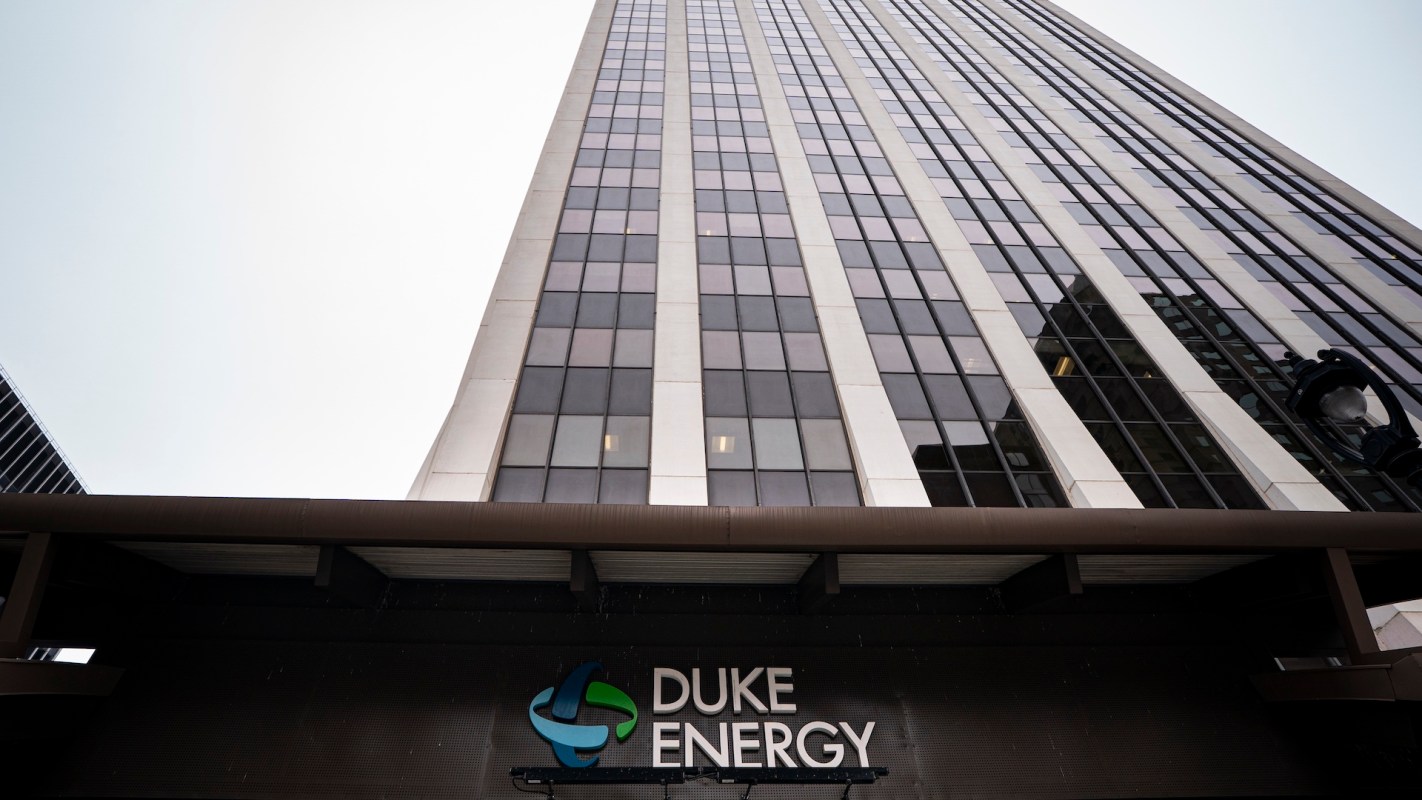
A Reddit post is striking a nerve with homeowners who expect solar to lower their bills, not add new ones.
In the r/solar forum, one homeowner said Duke required them to carry $1 million in umbrella liability coverage to participate in net metering, and that the annual premium was jumping up.
What happened?
According to the poster in the Reddit thread, Duke made the extra policy a condition of participating in net metering. That program allows rooftop solar owners to receive credits for excess electricity they send back to the grid.
They said the umbrella policy went from roughly $200 a year to about $600, which they found unreasonable.
"This seems like the insurance industry figured out they have a captive market," they suggested.
This complaint highlights that the cost of solar is not limited to the panels themselves. Insurance obligations, interconnection rules, utility policies, and related paperwork can all affect the long-term math.
Posters in the community had some remedies for the poster.
"Check with your main homeowners insurance provider to see if they have a method to add it in while being less than the $600, contact a few insurance brokers to see if they have options," a user suggested.
Save $10,000 on solar panels without even sharing your phone number Want to go solar but not sure who to trust? EnergySage has your back with free and transparent quotes from fully vetted providers that can help you save as much as $10k on installation. To get started, just answer a few questions about your home — no phone number required. Within a day or two, EnergySage will email you the best local options for your needs, and their expert advisers can help you compare quotes and pick a winner. |

Even with stories like this, going solar is still one of the best ways to save money on home energy over time. If you're considering a system, EnergySage offers free tools to get quick installation estimates and compare quotes.
Why does it matter?
Requirements that are easy to miss at the outset can change how worthwhile a solar project feels to a household. A recurring insurance charge that triples may not eliminate the savings from solar, but it can reduce the financial upside.
It also points to a broader tension. Communities benefit when more homes generate clean electricity, yet utility rules can sometimes create barriers that make adoption harder.
When people run into confusing costs after installation, it can erode trust and discourage others from making the switch. Solar can offer relief from rising utility costs, but only if buyers understand the full picture before signing a contract or filing interconnection paperwork.
More From EnergySage
💡Go deep on the latest news and trends shaping the residential solar landscape




EnergySage can help in this regard with free tools that allow homeowners to connect with trusted installers and land the best prices. With its help, the average customer can save up to $10,000 on solar purchases and installations.
What can I do?
Before installing solar, homeowners can also ask their installer and insurer specific questions about interconnection requirements, liability coverage, and any utility-specific conditions for net metering.
Getting those answers in writing can help avoid the kind of unwelcome surprise that prompted this complaint.
EnergySage's solar map can also help by showing the average cost of a home solar panel system on a state-by-state level, as well as details on solar panel incentives for each state. Together, these resources can help readers get the best price for rooftop solar panels and access available incentives.
Adding battery storage to a solar setup is one of the best ways to protect your home during outages, save money on energy, and go off grid. It can also give homeowners more control over when and how they use the electricity their panels generate.
Readers can explore EnergySage's free tools for information about home battery storage options, including competitive installation estimates.

Get TCD's free newsletters for easy tips, smart advice, and a chance to earn $5,000 toward home upgrades. To see more stories like this one, change your Google preferences here.






