


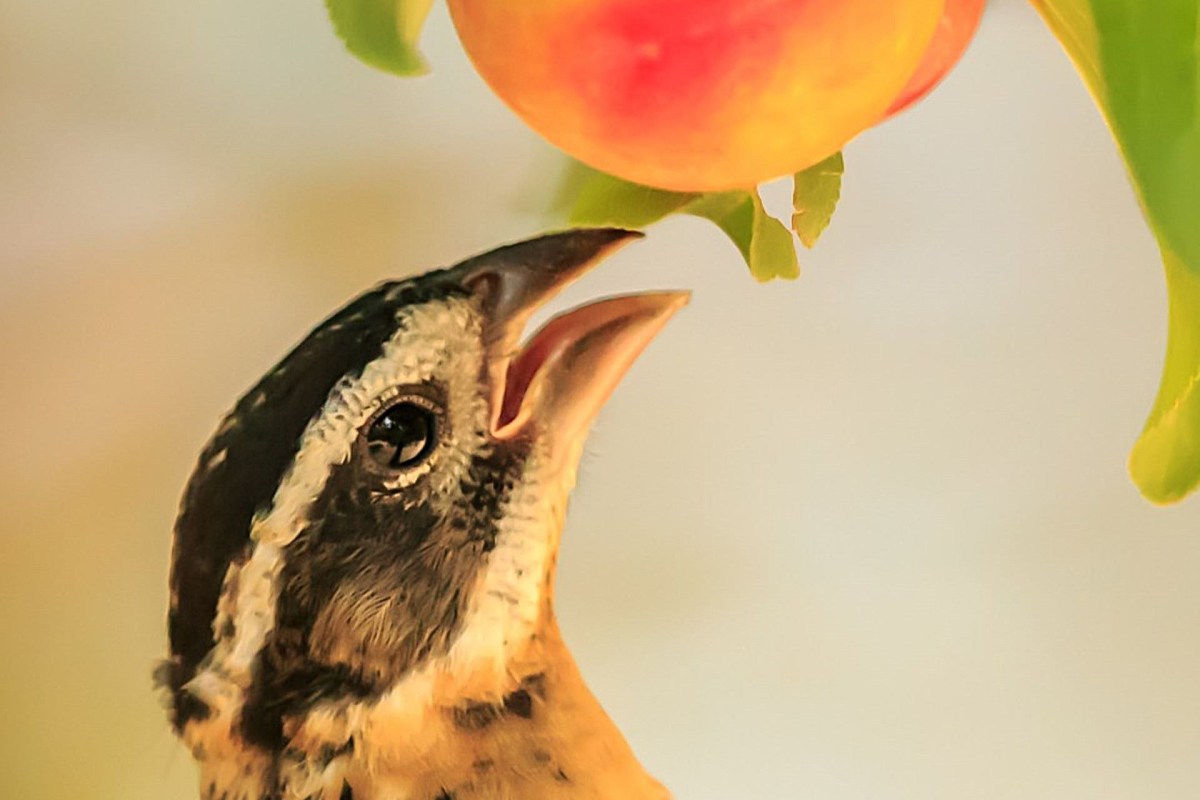
Some birds avoid toxic plants and insects altogether. The Black-headed Grosbeak does the opposite. A post from the National Audubon Society is drawing attention to the species' surprisingly tough stomach — one that can handle poison oak, mistletoe, and even monarch butterflies.
What's happening?
The National Audubon Society (@audubonsociety) used an Instagram post to highlight the Black-headed Grosbeak's unusual menu, writing that the birds eat "fruits and insects, many of which are poisonous to other species."
Audubon also said the birds "can stomach toxic mistletoe, poison oak, and they're one of the only bird species that can eat monarch butterflies." The accompanying image by photographer Rick Derevan showed a female Black-headed Grosbeak eating fruit.
That diet is part of what makes the bird particularly notable. Monarch butterflies are widely known as a risky meal for predators because of the toxins they carry, while plants such as poison oak and mistletoe are also off-limits for many animals.
Why does it matter?
A bird that can safely eat foods other animals avoid may help move seeds through the landscape, feed itself when other options are limited, and take advantage of niches that reduce competition.
When habitats lose native birds, insects, and plants, ecosystems do not just become quieter — they become less resilient and less complex.
TCD Picks » Quince Spotlight
💡These best-sellers from Quince deliver affordable, sustainable luxury for all




A plant that is irritating or dangerous to people may still be valuable to wildlife, and an insect that seems untouchable may still be part of the food chain for the right animal.
At a time when bird populations and habitat quality remain under pressure in many places, fascination can serve as a starting point for conservation.
What can I do?
One of the best ways to support birds like Black-headed Grosbeaks is to make outdoor spaces more bird-friendly. Native plants, especially fruiting shrubs and insect-supporting species suited to your region, can provide food and shelter throughout the year.
Reducing pesticide use can help, too. Birds depend heavily on insects, and chemicals that shrink insect populations can also reduce the food available to nesting birds and their young.
Simple steps at home can also make a difference: keeping cats indoors, using window treatments that reduce bird collisions, and maintaining clean feeders and water sources if you choose to provide them.
People who want to go further can support habitat restoration and conservation groups working to protect the landscapes birds rely on.

Get TCD's free newsletters for easy tips, smart advice, and a chance to earn $5,000 toward home upgrades. To see more stories like this one, change your Google preferences here.






