


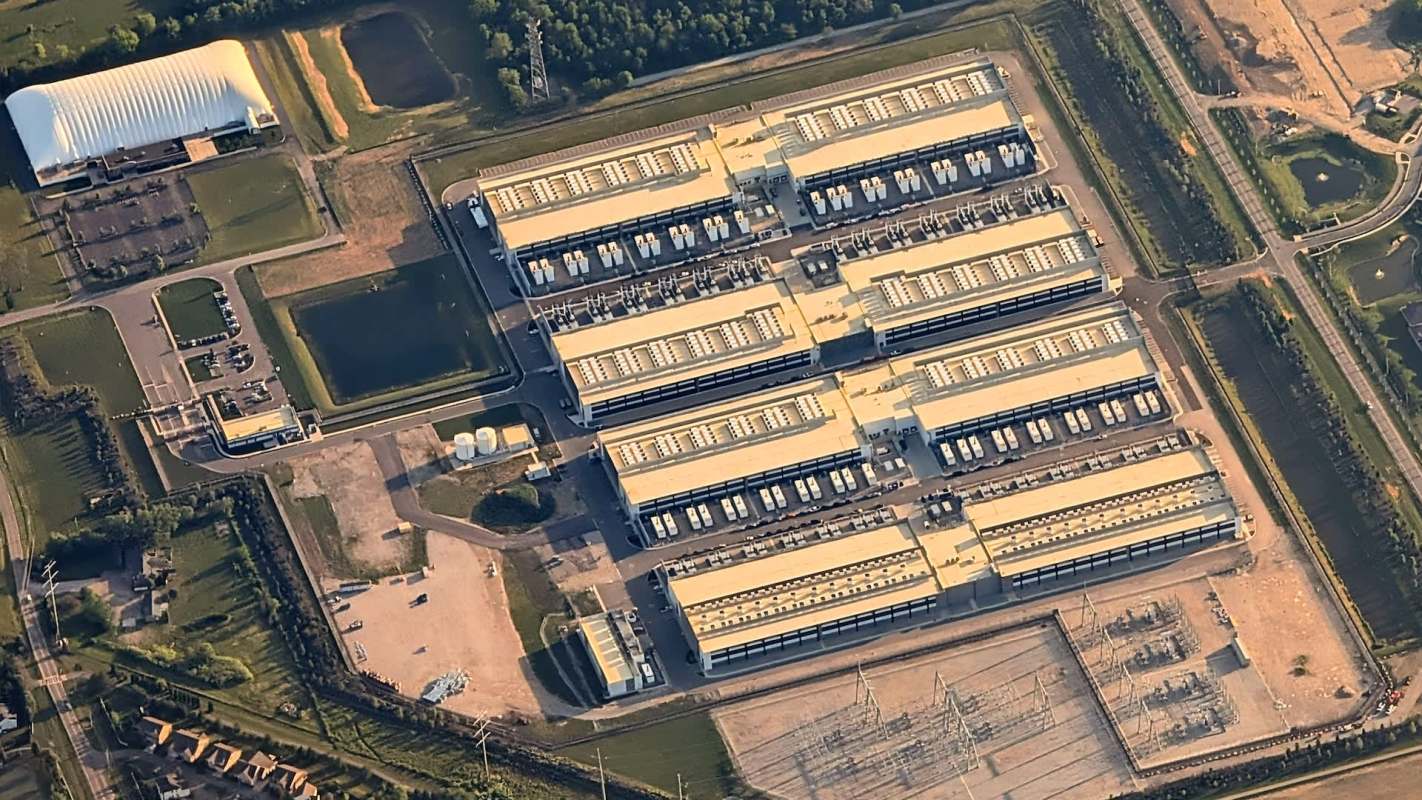
Ohio's push to become a major data center hub could face a significant new obstacle: voters.
State lawmakers have introduced a sweeping proposal that could make many future projects far harder to build, even as developers are expected to invest billions of dollars in new facilities across the state, according to the Ohio Capital Journal.
What's happening?
House Bill 983 would put more control over Ohio data center projects in the hands of the public.
Projects with peak electric load above one megawatt, including expansions of existing facilities, could not proceed without voter approval.
That requirement would extend beyond the host community to every municipality and township within five miles of the site, and any permit issued without that approval would be invalid.
The bill also targets pollution and resource use.
TCD Picks » Quince Spotlight
💡These best-sellers from Quince deliver affordable, sustainable luxury for all




Data center developers would be held liable for impacts on local water supply and pressure, and the measure would add air-emission and water-discharge limits for PFAS, glycols, metals, and other organic compounds.
The provisions "would apply to existing data centers after eighteen months," the Ohio Capital Journal noted.
The bill would also bar local governments from offering property tax breaks to data centers or associated power plants, while making development and supply agreements publicly disclosable.
Why does it matter?
Ohio is projected to attract roughly $40 billion in data center investment over the next four years.
One major reason backers want tighter rules is concern that large facilities can strain electricity and water systems.
If that extra demand drives utility rates up, residents could be saddled with higher monthly bills, with lower-income households often feeling the impact most because utilities take up a larger share of their income.
In some places, data centers have drawn criticism over wastewater, air emissions, noise, and the visual impact of large industrial campuses.
Tax incentives have also become a flashpoint, particularly when residents worry that public dollars could be diverted from schools or other local needs.
At the same time, critics of the bill argue that requiring repeated communitywide votes could effectively block most new projects, slowing development and, they claim, costing the state billions in economic activity.
What's being done?
The legislation would impose a much stricter set of rules on the industry.
Among its biggest changes, the measure would let nearby voters decide whether many projects can move forward and would require more transparency around agreements tied to those developments.
Whether or not House Bill 983 advances, it signals that data center growth in Ohio is no longer just an economic story. It is also becoming a debate over energy, water, pollution, and who gets to decide what gets built nearby.
If the measure moves forward, Ohio could become a test case for how far states are willing to go to rein in data center growth.
The outcome could shape not only future investment but also how communities protect their resources while navigating a rapidly changing digital economy.

Get TCD's free newsletters for easy tips, smart advice, and a chance to earn $5,000 toward home upgrades. To see more stories like this one, change your Google preferences here.






