


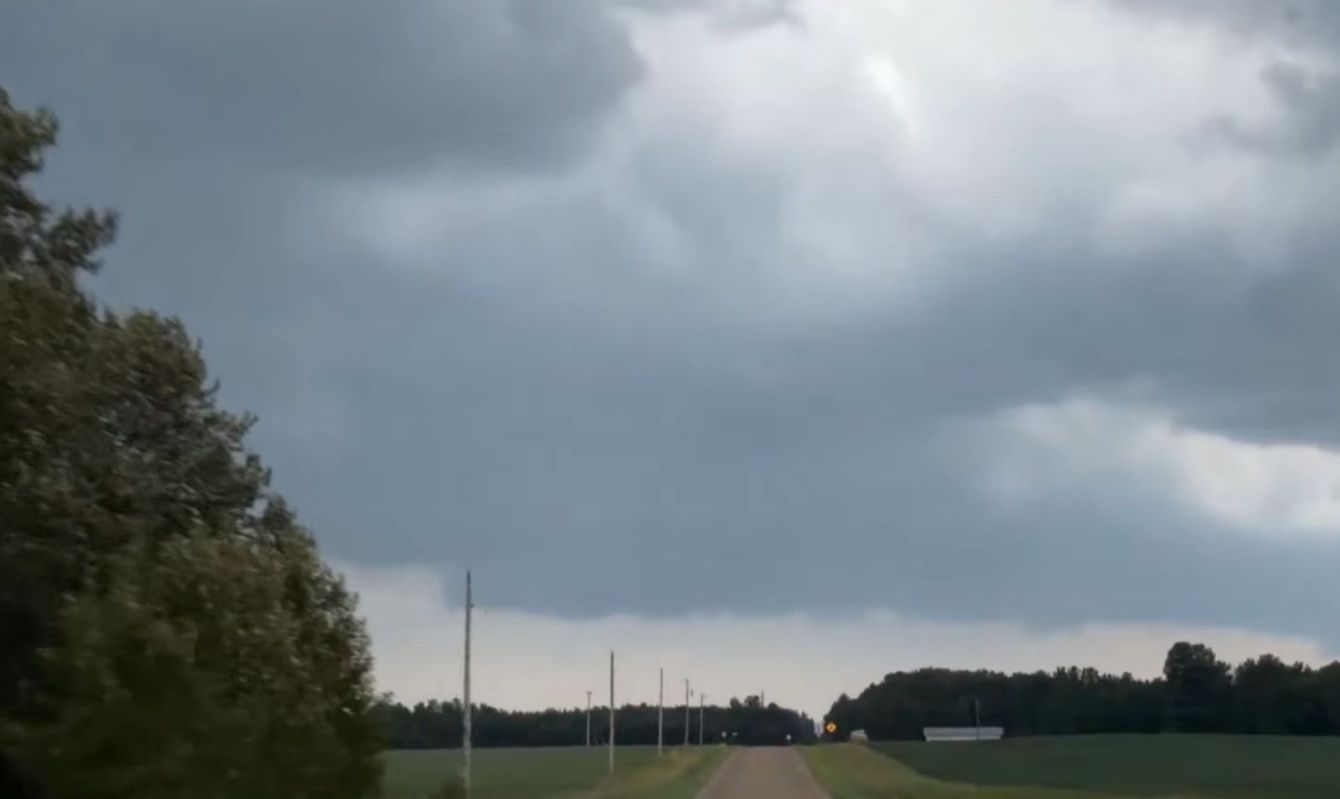
A severe storm in northern Minnesota may have briefly turned into something more dangerous near Kelliher, where livestreaming storm chasers captured flying debris, snapping trees, and a blocked road.
No tornado had been confirmed, but damage reports from Beltrami County indicated the storm was powerful.
What happened?
A possible tornado crossed a rural road near Kelliher around 8:11 p.m., where storm chasers Bryce Shelton and Paige Berdomas were positioned.
Video from their YouTube stream seemed to capture debris spinning through the air as several trees snapped, with one coming down across the roadway ahead of them.
Although the National Weather Service had not declared the damage tornado-related, the area could still need a formal survey, according to Bring Me The News.
Separate footage from another storm chaser, Will (@Willzuh), posted to social platform X showed heavy tree damage near Kelliher, further suggesting that destructive winds hit the area.
TCD Picks » Quince Spotlight
💡These best-sellers from Quince deliver affordable, sustainable luxury for all




Possible tornado just went through Kelliher, MN. Widespread tree damage across County Road 36 which we just cleared. @NWSGrandForks #mnwx pic.twitter.com/q6n4VJBMTy
— Will (@Willzuh) August 4, 2026
On Facebook, Beltrami County Emergency Management asked residents to submit storm photos. Images shared in response included numerous downed trees, big limbs lying on vehicles outside a home, and a flipped outbuilding at an athletic complex.
The evening did not rank as an especially severe weather disaster overall, but the storms were intense enough to prompt numerous warnings.
Why does it matter?
Whether the damage is eventually classified as tornado-related or the result of straight-line winds, storms like this can turn life-threatening in seconds.
Falling trees, airborne debris, and blocked roads create immediate dangers for drivers, families, and emergency crews.
The financial fallout can linger long after the skies clear, especially for small communities that must pay for repairs and recovery.
In rural areas such as Kelliher, storm impacts can be especially disruptive because people may be spread out, roads can be harder to clear quickly, and property damage may take longer to assess.
A single fast-moving cell can still cause major local damage.
What's being done?
Damage assessment is the next step.
If the National Weather Service surveys the area, officials can determine whether a tornado touched down or whether other destructive winds caused the damage.
That distinction can help guide emergency response, public records, and insurance claims.
Local officials are also relying on community reports to understand the scope of the damage.
Photos submitted by residents can help emergency managers identify the hardest-hit areas and prioritize cleanup and safety checks.
Even before any official tornado confirmation, the scene near Kelliher showed how quickly severe weather can become dangerous.

Get TCD's free newsletters for easy tips, smart advice, and a chance to earn $5,000 toward home upgrades. To see more stories like this one, change your Google preferences here.






