


Hamilton City Council has approved $3.26 million for 16 projects that could make everyday life more affordable and more resilient, according to Ontario Construction News.
What happened?
The investment will support a range of projects focused on cutting air pollution, improving energy efficiency, expanding tree cover, and helping residents deal with more severe weather.
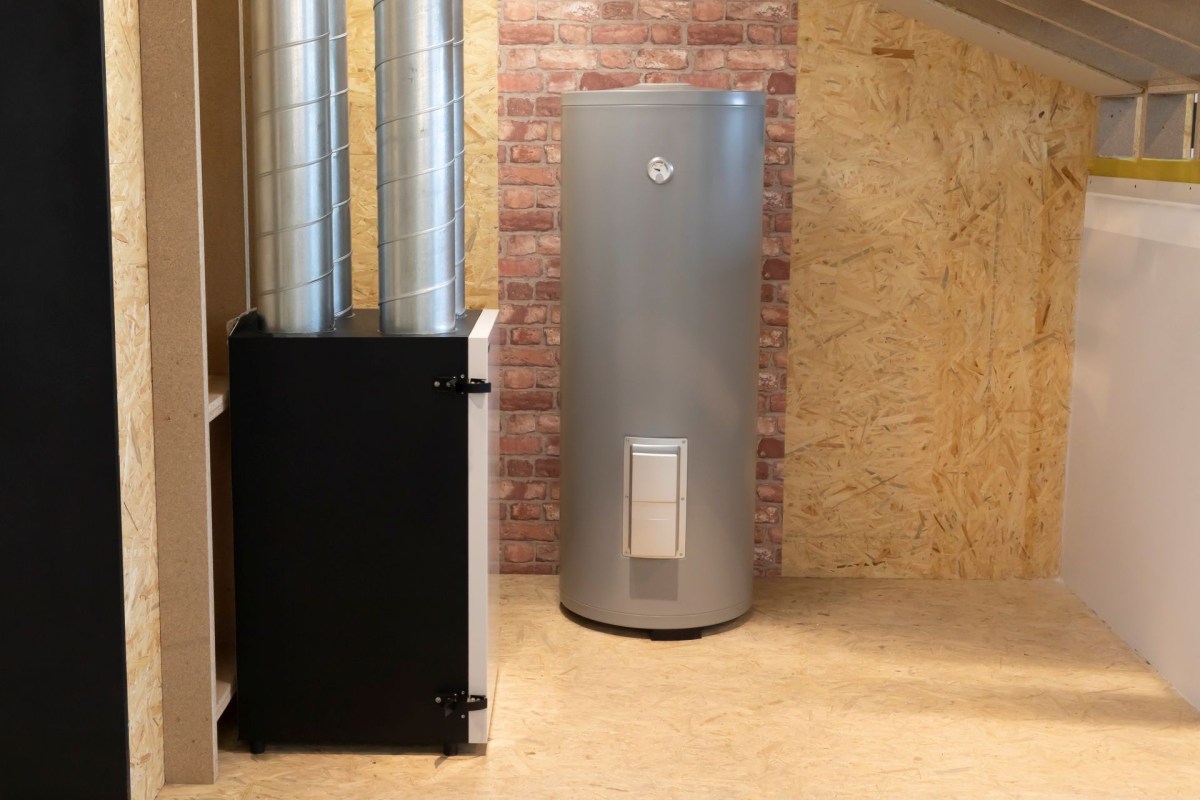
The largest share at $1.5 million will go to CityHousing Hamilton's Heat Pump Hot Water Tank Project, Ontario Construction News reported, which would replace older gas water heaters with electric systems in low-rise units and one multi-level residential building.
The council also allocated $400,000 for retrofits tied to the Affordable Housing Acquisition Plan, a move intended to preserve rental housing while improving efficiency and supporting affordability. Another $300,000 is earmarked for a bird-friendly window glazing study and implementation project, along with $250,000 for a Tree Canopy and Industry Initiative.
The spending package is part of Hamilton's wider climate efforts following the city's 2019 climate emergency declaration. For the 2026 funding cycle, a review group made up of five city staff directors and two community volunteers evaluated applications based on emissions reductions, resilience benefits, co-benefits, and climate justice impacts.
Why does it matter?
Pointing to extreme heat and more frequent severe weather, Mayor Andrea Horwath said residents are already experiencing the effects of climate change in everyday life, per Ontario Construction News. The investment is a step toward cooler neighborhoods, lower energy waste, stronger infrastructure, and less strain on public budgets.
As far as energy efficiency is concerned, heat pump water heaters stand out as an upgrade that can lower monthly utility bills and reduce pollution associated with conventional gas systems. Customizable smart water heaters, like those from Cala, can increase long-term energy savings by learning household usage patterns and heating water exactly when it's needed.
Meanwhile, trees can prevent an "urban heat island" by providing cooling shade, while stronger protection for parks and natural spaces can improve community resilience.
Save $10,000 on solar panels without even sharing your phone number Want to go solar but not sure who to trust? EnergySage has your back with free and transparent quotes from fully vetted providers in your area. To get started, just answer a few questions about your home — no phone number required. Within a day or two, EnergySage will email you the best options for your needs, and their expert advisers can help you compare quotes and pick a winner. Solar panels can save you more than $50k over their 25-year lifespan, and EnergySage can help you save as much as $10k on installation. Which begs the question — isn't that worth an email or two? |

"By investing in projects that expand our urban forest, improve energy efficiency and protect our natural environment, we're taking practical steps to build a healthier, more resilient city, while supporting residents today and into the future," Horwath noted.

Get TCD's free newsletters for easy tips, smart advice, and a chance to earn $5,000 toward home upgrades. To see more stories like this one, change your Google preferences here.






