


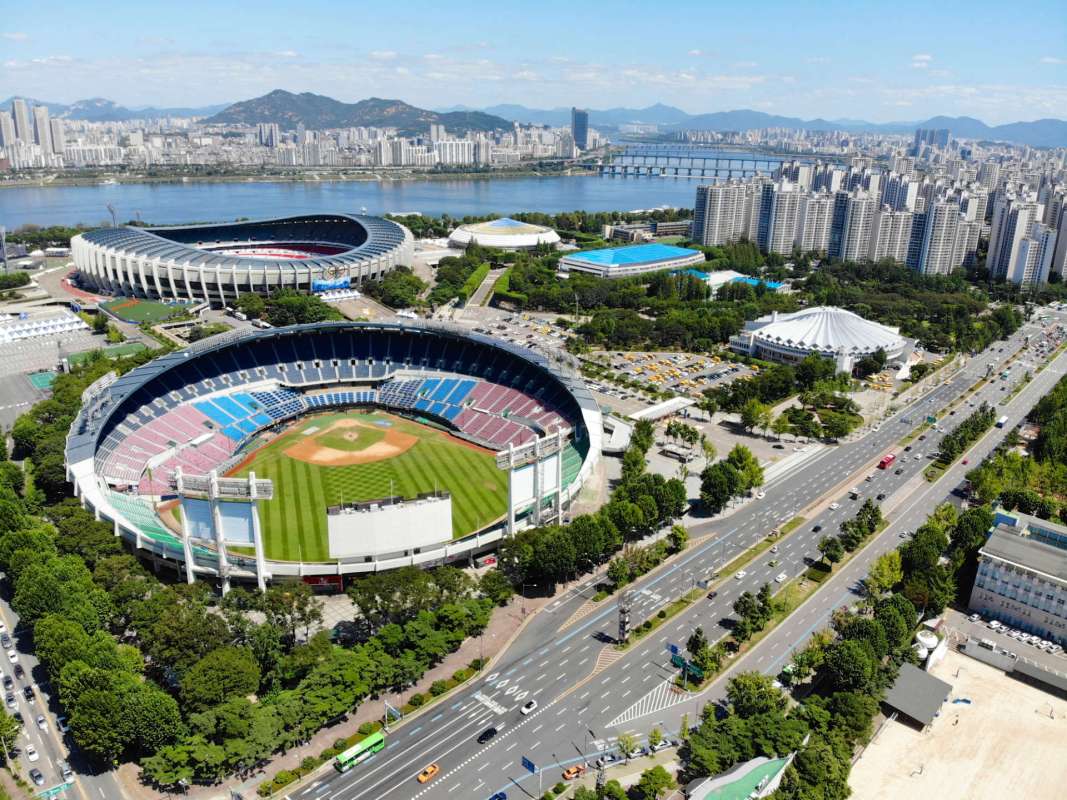
A deadly heat wave in South Korea is disrupting normal life, with all 10 professional baseball games scheduled for Aug. 5 and Aug. 6 canceled amid a growing heat-related death toll.
What happened?
According to The New York Times, conditions had become too extreme for both players and spectators, and officials urged residents to stay off streets and away from farm plots.
In the country's southwest, one town reached about 108.5 degrees Fahrenheit, or 42.5 degrees Celsius. It was the hottest temperature recorded in South Korea in more than a century.
The Korea Disease Control and Prevention Agency said 21 people have died from heat-related illnesses. Additionally, three people, ages 77 to 97, collapsed and died while walking or working in garden plots.
President Lee Jae Myung declared the heat wave a national disaster.
Why does it matter?
Older adults, farm workers, delivery workers, construction crews, and anyone without reliable cooling face especially serious risks.
TCD Picks » Quince Spotlight
💡These best-sellers from Quince deliver affordable, sustainable luxury for all




Worsening extreme weather disasters endanger lives and livelihoods by raising the risk of heat stroke, dehydration, heart strain, and dangerous working conditions.
They can also damage local economies when outdoor labor slows, farms lose productivity, businesses see fewer customers, and sporting events or other gatherings are called off.
This kind of heat also strains hospitals, emergency services, and power systems at the same time communities need them most.
What's being done?
South Korean authorities have already taken high-level action by declaring the heat wave a national disaster, a step that can help mobilize resources and sharpen public warnings.
Officials also advised citizens to avoid unnecessary outdoor activity and stay away from streets and fields during the worst conditions.
The baseball cancellations show another practical response: adjusting schedules when temperatures become unsafe.
Communities may need stronger heat action plans, more shaded public areas, expanded cooling centers, and clearer emergency alerts.

Get TCD's free newsletters for easy tips, smart advice, and a chance to earn $5,000 toward home upgrades. To see more stories like this one, change your Google preferences here.







