


In Somerset, a former dairy farm is showing how quickly wildlife can come back when the land is given an opportunity to heal.
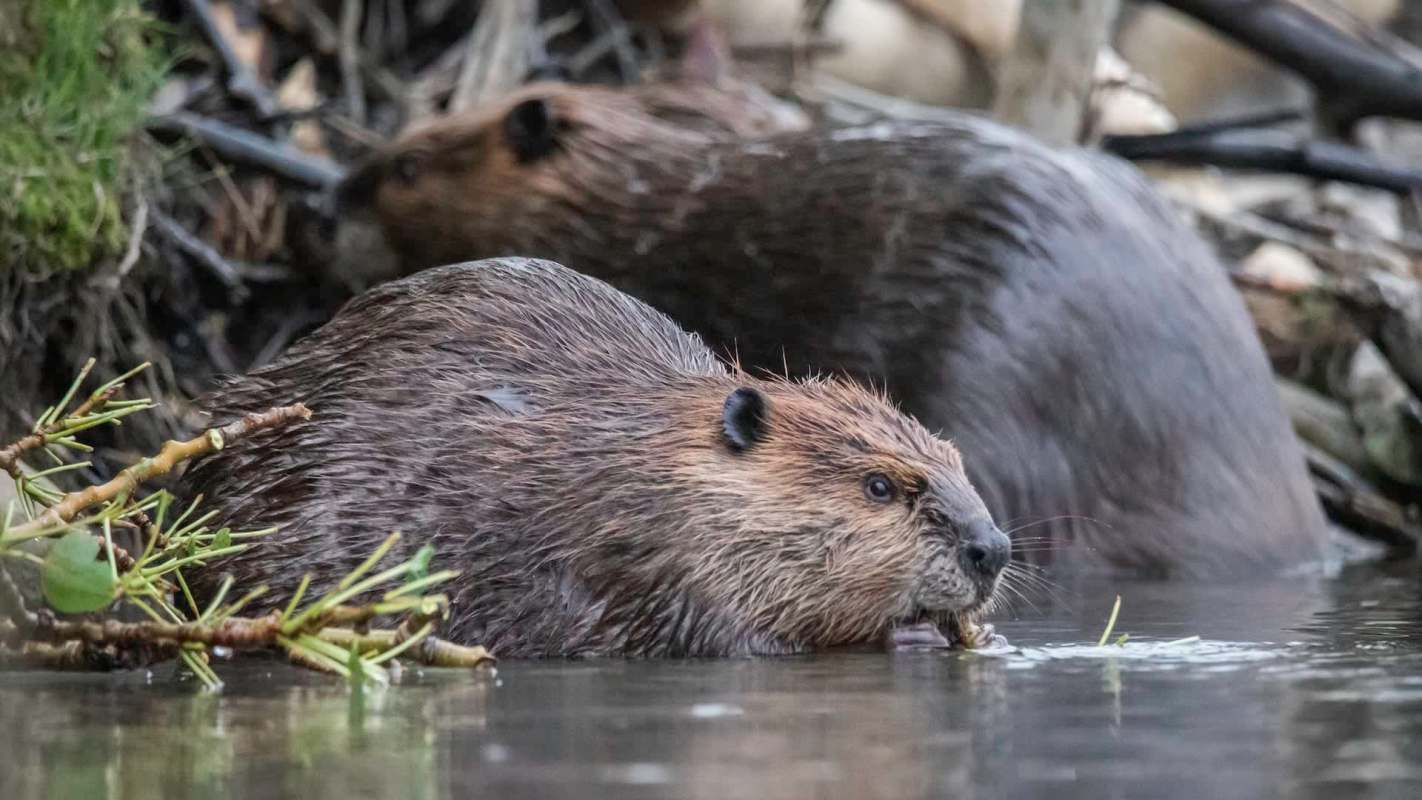
Much of that recovery is tied to a resident beaver family. The animals have raised five kits, built dams, and formed a pond, setting off a chain reaction that has created a safe space for other wildlife, including birds, butterflies, and small mammals.
What's happening?
According to the BBC, Heal Rewilding is restoring a 460-acre former dairy farm in Somerset located between Frome and Bruton.
A beaver colony has established itself there, and the charity said the animals' creation of dams on tributaries of the River Frome has helped turn parts of the site into wetland habitat.
Heal Rewilding's first report, cited by the BBC, recorded 94 bird species on the land since 2023, including those that are at risk — 21 species are even on the red list, and 28 are on the amber list.
Butterflies are thriving as well, with species diversity climbing from 11 known species to 24. As the BBC reported, mice and voles have also become more common, suggesting that the recovering habitat is supporting a stronger food web.
TCD Picks » Quince Spotlight
💡These best-sellers from Quince deliver affordable, sustainable luxury for all




Heal Rewilding CEO Jan Stannard said the organization spent two years closely observing the land after acquiring it, allowing natural processes to take hold while carrying out surveys of insects, birds, and bats.
Why does it matter?
Land once heavily shaped by agriculture can still become a thriving habitat for wildlife.
Rather than relying only on intensive interventions, the project suggests ecosystems can recover when they are given time and space to function naturally, helping bring back species that had previously been pushed out.
That kind of recovery can benefit people as well as animals. Healthier landscapes can create greener community spaces, offer more opportunities to connect with nature, and strengthen the sense of place for nearby residents.
That community value is visible in Somerset. According to the BBC, the local dementia support group Wild Memories regularly gathers there to spend time outdoors in the recovering landscape.
Members of the group said those visits sparked a "beautiful nostalgia."
This project is a reminder of how restoring nature doesn't only support wildlife — it can directly support people and local identity as well.
What's being done?
Heal Rewilding's approach has centered on patience, monitoring, and allowing the landscape to lead the process.
Instead of trying to engineer every outcome, the charity let nature do its thing, allowing the grasses to grow freely and tracking what returned, using surveys to measure how the site was changing over time.
Some of the restoration is being carried out by the beavers themselves, whose changes to the waterways are creating new habitat, while the charity continues documenting the return of birds, butterflies, and small mammals.
The project is also serving as a community resource, not just a conservation experiment. By welcoming groups such as Wild Memories, the site offers restorative outdoor experiences alongside ecological gains.
Stannard said the turnaround began when the charity "simply stood back and watched."

Get TCD's free newsletters for easy tips, smart advice, and a chance to earn $5,000 toward home upgrades. To see more stories like this one, change your Google preferences here.







