


Before Queensland's Outback became the dry interior it is, it was covered by an ancient sea, and one fossil from that lost world appears to preserve a remarkable chain of predator-and-prey events in a single specimen.
Researchers found evidence that an ichthyosaur ate a flying reptile before the marine reptile itself was attacked or scavenged by an even larger predator.
What happened?
A study published in the journal Gondwana Research examined a 19- to 22-foot ichthyosaur found near Richmond, Queensland. The animal, identified as Platypterygius australis, preserved rare evidence of ancient feeding behavior, according to Discover Magazine.
Advanced 3D imaging revealed pterosaur remains inside the ichthyosaur's stomach, including part of the flying reptile's jaw. The scans also detected fish and squid-like cephalopods, giving scientists a fuller view of the reptile's last meals.
The specimen provides the first fossil evidence that an ichthyosaur ate a pterosaur. It also shows large bite marks, missing parts, and fractured bones consistent with either an attack or scavenging by Kronosaurus queenslandicus, a giant predator from those ancient seas.
The fossil was first uncovered in 2019 at a public fossicking site by Mike and Cathy Freeman and Gary and Barb Flewelling, who dubbed it "Bag of Bones," or B.O.B.
TCD Picks » Quince Spotlight
💡These best-sellers from Quince deliver affordable, sustainable luxury for all




Kevin Petersen, curator of Kronosaurus Korner, found additional remains from the specimen.
Why does it matter?
Most fossils reveal anatomy, but fewer preserve behavior at a particular moment. In this case, one specimen seems to capture multiple steps in a food chain, from a pterosaur to an ichthyosaur to an even larger predator.
The discovery helps reconstruct ancient ecosystems. Researchers can use stomach contents and bite marks to better understand how predators interacted and how energy moved through prehistoric oceans.
What's being done?
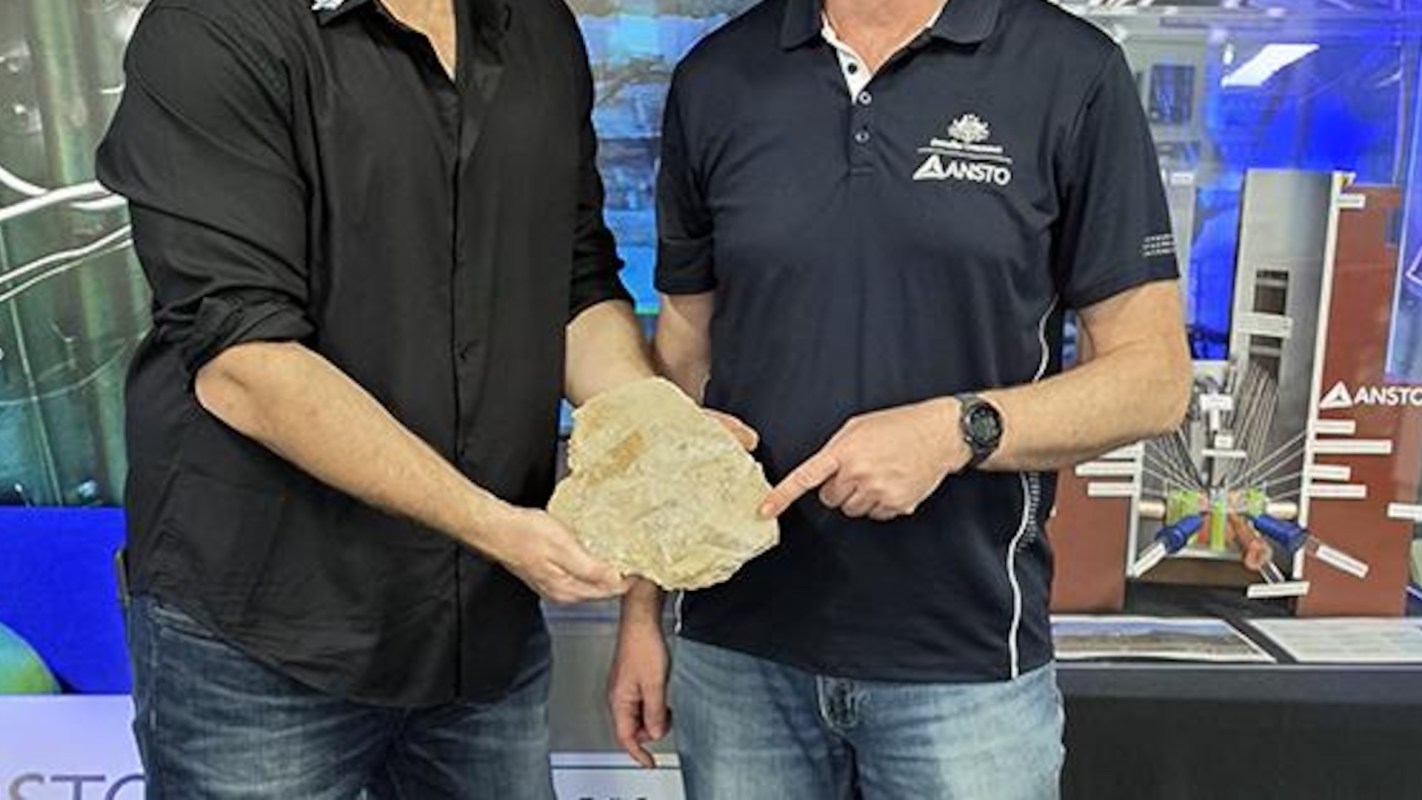
Scientists were able to inspect the fossil's hidden contents because they used a non-destructive imaging technique. Synchrotron CT imaging at the Australian Nuclear Science and Technology Organization let them examine nodules behind the skull without harming the specimen.
The scan revealed evidence invisible from the outside and let researchers study the delicate fossil in detail while keeping it intact for future analysis, education, and museum display.
A fossil found at a public site, preserved by collectors, and reexamined by museum experts became the basis of a study read around the world.
Matt White, a research associate at the University of New England and the study's lead author, said, "I was amazed by the size of the ichthyosaur, and shocked to see it littered with bite marks and partially exposed pterosaur remains behind the skull."

Get TCD's free newsletters for easy tips, smart advice, and a chance to earn $5,000 toward home upgrades. To see more stories like this one, change your Google preferences here.






