


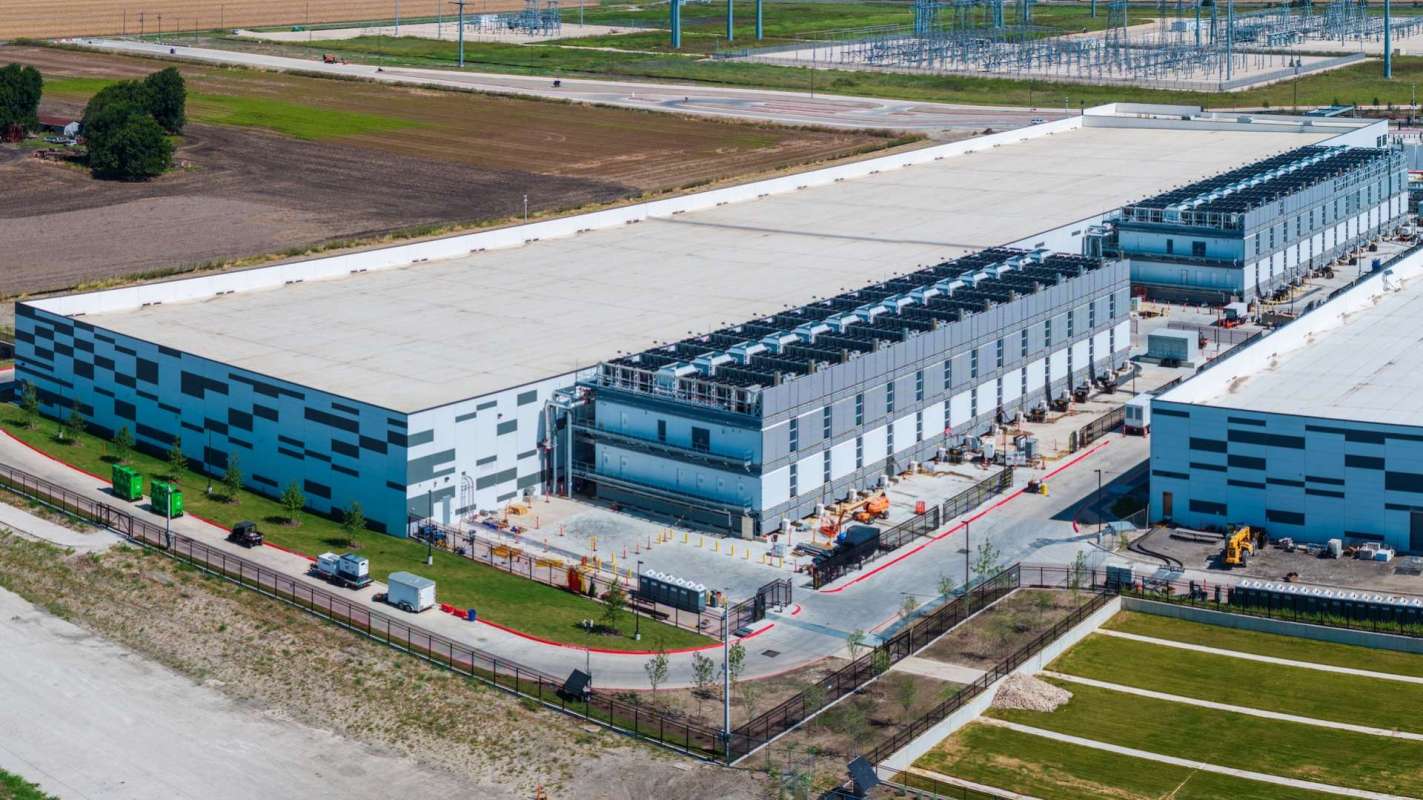
The fight over giant AI data centers in Alabama is no longer just a zoning or development issue. For many residents, it is becoming a defining political question. As communities voice concerns about secrecy, pollution, noise, and strain on local utilities, candidates running for office are offering sharply different answers.
What's happening?
According to the Alabama Reflector, in the state's midterm campaigns, proposals for massive data centers have become a major point of contention for voters.
Although Alabama already has dozens of smaller data centers, opponents say the newest AI-focused projects are on a very different scale. In Bessemer, one proposed facility is reportedly comparable in size to 18 Walmart Supercenters.
Questions about transparency have also intensified. The Alabama Reflector reported that officials in Bessemer signed nondisclosure agreements connected to Project Marvel and its developer, Virginia-based QTS Data Centers, a move that residents and advocates say has left communities without a clear picture of what these facilities could mean for water use, power demand, and air quality.
Justinn Overton, executive director of Coosa Riverkeeper, told the Alabama Reflector many of the objections come down to everyday quality of life, saying: "They want to hear cicadas over the hum of generators. They want to see the night sky, not the lights of a data center or some other extractive industry running business 24/7."
Despite major concerns outlined by residents, political hopefuls in the state have very different viewpoints on the AI-supporting facilities.
TCD Picks » Quince Spotlight
💡These best-sellers from Quince deliver affordable, sustainable luxury for all




The Alabama Reflector reported that Republican gubernatorial nominee Tommy Tuberville has said, "We're going to do data centers," adding that the health and public concerns surrounding the facilities are "bull crap." Meanwhile, Democratic nominee Doug Jones has called for a one-year moratorium so the state can put "guardrails and policies" in place.
Why does it matter?
For many residents, the debate goes beyond a single industry. It is about whether rapid AI development will reshape neighborhoods before the public has a meaningful chance to weigh in.
Major questions about emissions, cooling systems, and diesel-powered backup generators are still unresolved, Kris Zierold, a professor of public health at the University of Mississippi, told the Alabama Reflector. "We know that it's going to put out nitrous oxides, which cause all types of respiratory issues," she said.
Jilisa Milton, executive director of Greater-Birmingham Alliance to Stop Pollution, told the outlet that particulate matter is another concern because it can worsen asthma and cardiovascular problems for local residents.
AI can help improve forecasting, streamline power use, and optimize clean energy systems, but the computing infrastructure behind it can consume enormous amounts of electricity and water.
Ryan Anderson, a staff attorney at the Southern Environmental Law Center, said, as reported by the Alabama Reflector, that a key question is whether "our water infrastructure and our power infrastructure" can handle these projects "without impacting current customers or the people that live here."
Jones has called for a one-year pause on new data center development, saying Alabama needs time to examine environmental and public health effects before approving more facilities.
Tuberville has taken the opposite stance, arguing that domestic data centers are essential for national security and promising that residents would not face higher energy costs because of them.
Advocates are seeking public hearings, permit comment periods, and greater disclosure from both developers and elected officials surrounding large-scale data facilities.

Get TCD's free newsletters for easy tips, smart advice, and a chance to earn $5,000 toward home upgrades. To see more stories like this one, change your Google preferences here.






