


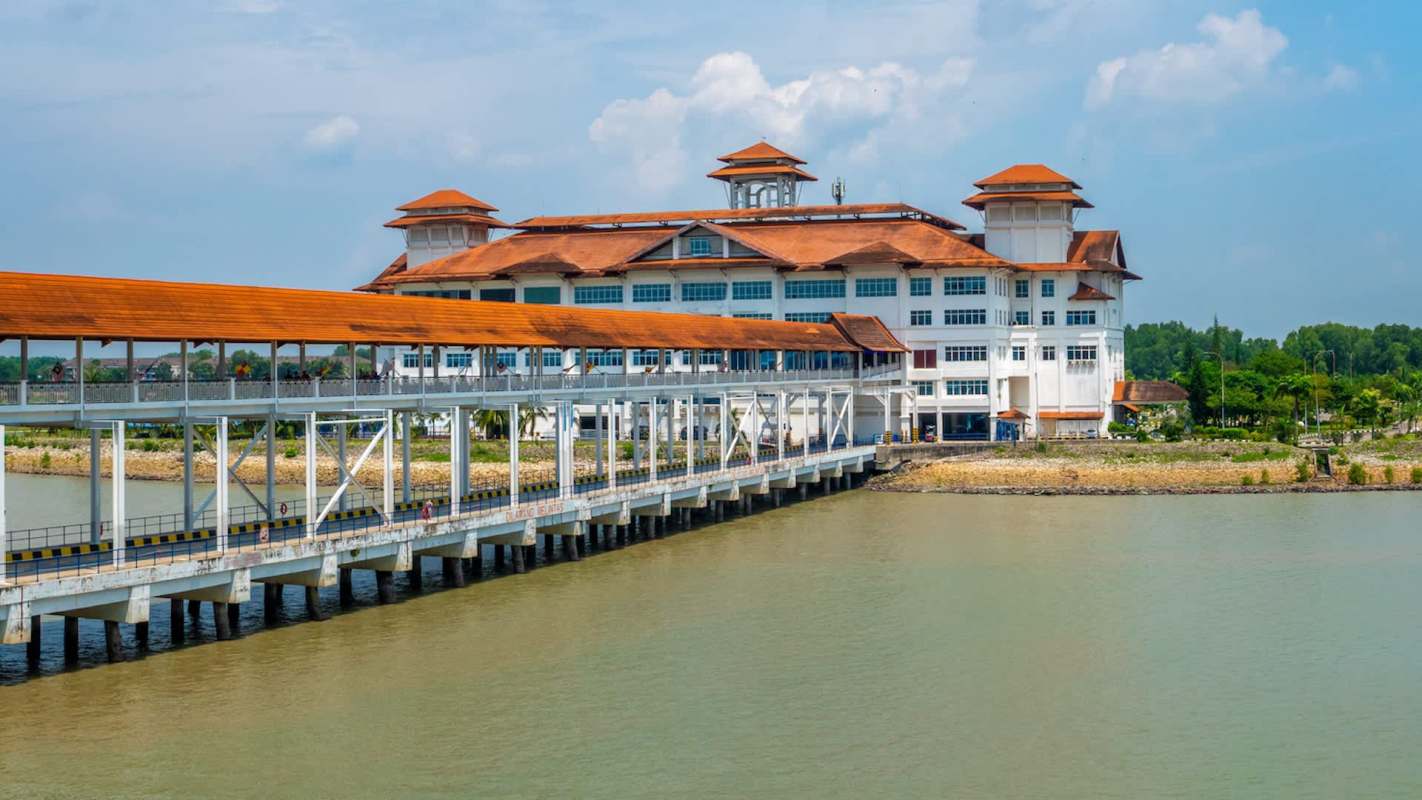
On July 7 at Malaysia's Port Klang, a container listed as tin ore went up in flames.
After the fire was put out and the doors were opened, the contents were burned electronic waste, not the metal named in the paperwork.
Malaysia's full ban on e-waste imports took effect in April, aiming to protect communities from pollution while giving cleaner local recycling a chance to grow, Mongabay reported.
What happened?
Authorities and watchdogs say the fire points to a familiar tactic in the illicit waste trade: falsified shipping documents.
According to Mongabay, hazardous loads have been passed off as ordinary raw materials — tin ore among them — so they can clear customs and reach illegal recycling sites in Malaysia.
April 1, 2026 marked the date Malaysia's Customs Order fully activated the import ban. Enforcement teams under Op Green Shield have reportedly checked 685 containers between January 26 and July 7.
TCD Picks » Quince Spotlight
💡These best-sellers from Quince deliver affordable, sustainable luxury for all




Officials say 143 of those containers, holding roughly 3,057 metric tons of e-waste, have already been sent back to their source countries, and 531 more are due for return in stages.
That screening challenge is enormous. From January through May alone, Port Klang processed almost 6.4 million twenty-foot-equivalent units of cargo, a volume that makes hand-checking containers hard.
Why does it matter?
The issue goes far beyond customs fraud. Illegal e-waste processing can expose nearby residents to toxic smoke, heavy metals, and chemical residue when plastics and electronics are burned without proper safeguards.
According to Mongabay, resident Tan Yu Jinh described the nighttime pollution near his home this way: "It doesn't smell like regular open burning. It almost smells like burnt plastic."
He added, "Sometimes I feel like I can't breathe."
A Basel Action Network investigation estimated that U.S. brokers were shipping about 1,949 e-waste containers out of American ports each month, and Malaysia was frequently one of the destinations, Mongabay reported.
That flow is part of a global waste stream that reached 62 million metric tons in 2022, with less than one-quarter documented as properly collected and recycled.
"The big problem in this case is that most of the e-waste sent to Malaysia is coming from the US, which is not Party to the Basel Convention," BAN executive director Jim Puckett said, per Mongabay.
What's being done?
According to Mohamed Tarek El-Fatatry, who operates the local facility ERTH, imported e-waste has given an advantage to businesses handling loads already sorted for their highest-value parts, leaving licensed recyclers at a disadvantage.
"There's so much waste in the country, so this ban is a good thing because it means we get to focus on domestic recycling efforts instead of importing the other stuff," Mohamed Tarek said, per Mongabay.
He also explained why illicit operators are so destructive: "Illegals will put a whole router into the furnace with the plastic because otherwise they will just end up with tons of plastic."
Critics of import bans often argue that waste can simply be rerouted elsewhere or pushed further underground.
Puckett said that may already be happening, with shipments moving toward places such as the United Arab Emirates, India, Pakistan, Indonesia, and the Philippines, sometimes through indirect routes.

Get TCD's free newsletters for easy tips, smart advice, and a chance to earn $5,000 toward home upgrades. To see more stories like this one, change your Google preferences here.






