


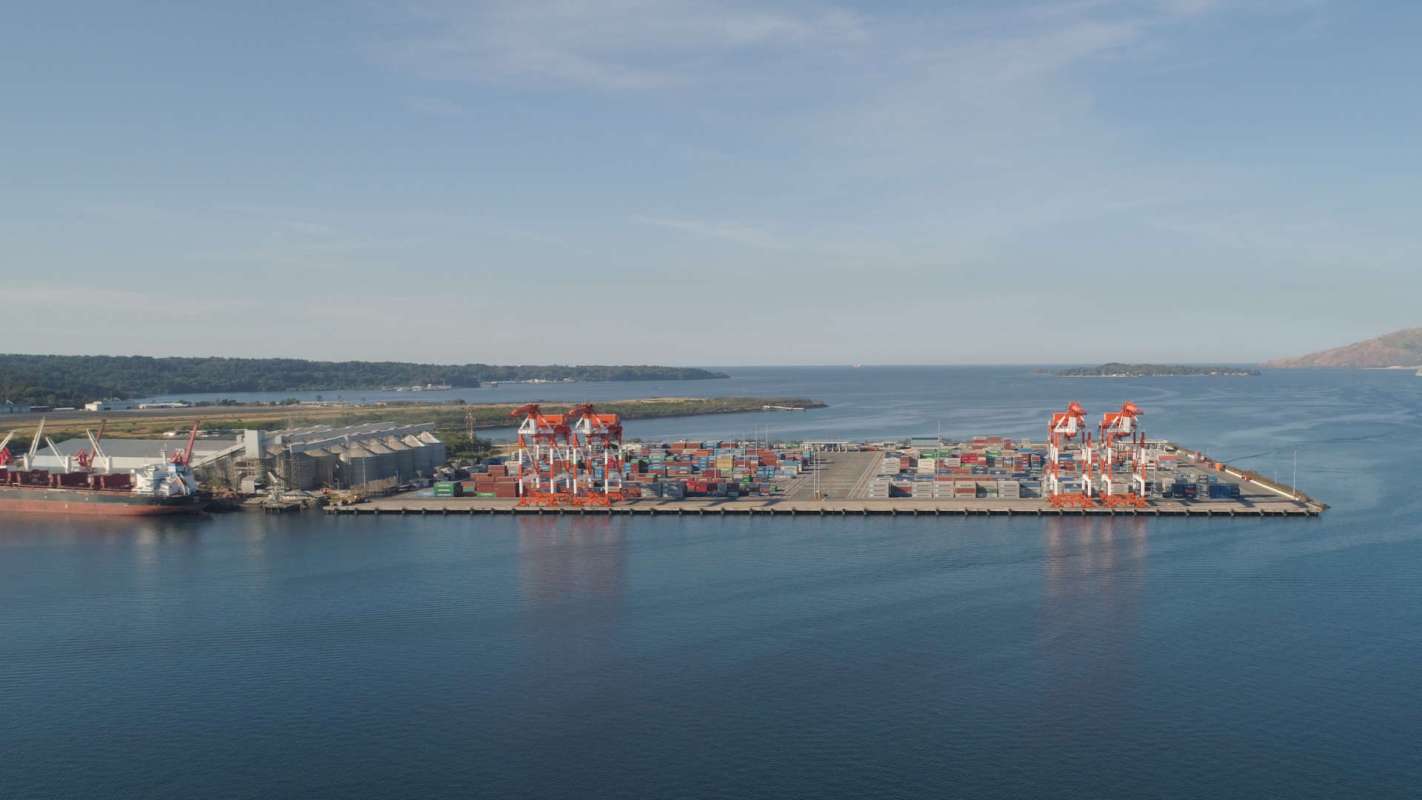
A new warning from environmental advocates has put the Philippines on alert over 184 U.S.-origin shipping containers headed for Subic Bay that may be carrying electronic waste.
What's happening?
As reported by Inquirer.net, environmental groups told Philippine authorities on July 29 that 184 containers expected in Subic Bay from August 6 to September 30 may contain illegal electronic scrap from the United States.
The warning came from the Basel Action Network and the Environmental Task Force Against Illegal E-Waste Imports to the Philippines.
In what they called an Operation Can Opener alert, the groups asked Bureau of Customs Commissioner Ariel Nepomuceno and Environmental Management Bureau Director Michael Drake Matias to stop the cargo and have it inspected.
The notice followed a July 22 port action in which Subic District Collector Geniefelle Lagmay ordered three containers aboard the MV Tokyo Express to stay on the vessel after they had been declared as scrap copper. Those containers later departed without being unloaded.
The coalition has also said that 234 containers believed to contain e-waste and one container of plastic waste from the U.S. had already made their way into the freeport between March 2025 and June 2026.
TCD Picks » Quince Spotlight
💡These best-sellers from Quince deliver affordable, sustainable luxury for all




Why does it matter?
Electronic waste is among the world's fastest-expanding waste streams, and mishandling it can expose people and the environment to hazardous substances.
When doubtful shipments are sent across borders, the receiving communities may be left with contamination, unsafe recycling operations, and the cost of dealing with the fallout.
At the center of this case is the Basel Convention, the international agreement that governs the cross-border movement of hazardous waste. The Philippines is a party to the treaty, but the U.S. is not.
Environmental groups say that if the containers are carrying electronic waste covered by Basel rules, the shipments could be considered illegal traffic because the two countries do not have an Article 11 agreement allowing that exchange.
What's being done?
Officials in Subic Bay have indicated a stricter approach. The Subic Bay Metropolitan Authority first defended e-waste recycling in the freeport as part of an "urban mining" strategy, but later said it would stop subsequent suspected e-waste shipments from the U.S. because the U.S. is not part of the Basel Convention.
The Bureau of Customs has also brought together the SBMA, the Department of Environment and Natural Resources, the Department of Justice, the Department of Foreign Affairs, the Office of the Solicitor General, and environmental groups to review whether the shipments are lawful.
The coalition is calling on authorities to detain and inspect the containers, use existing legal mechanisms to return any illegal waste to the U.S., and ensure that any rejected shipments are not redirected to another developing country.
"As a signatory to this international treaty, the Philippines, through the SBMA, is committed to upholding its provisions," said Armie Llamas, head of the SBMA Communications Department.
Jam Lorenzo, deputy executive director of BAN Toxics, added, "BAN has now identified 184 more suspected containers, and the government must respond with the same urgency and resolve."

Get TCD's free newsletters for easy tips, smart advice, and a chance to earn $5,000 toward home upgrades. To see more stories like this one, change your Google preferences here.






