


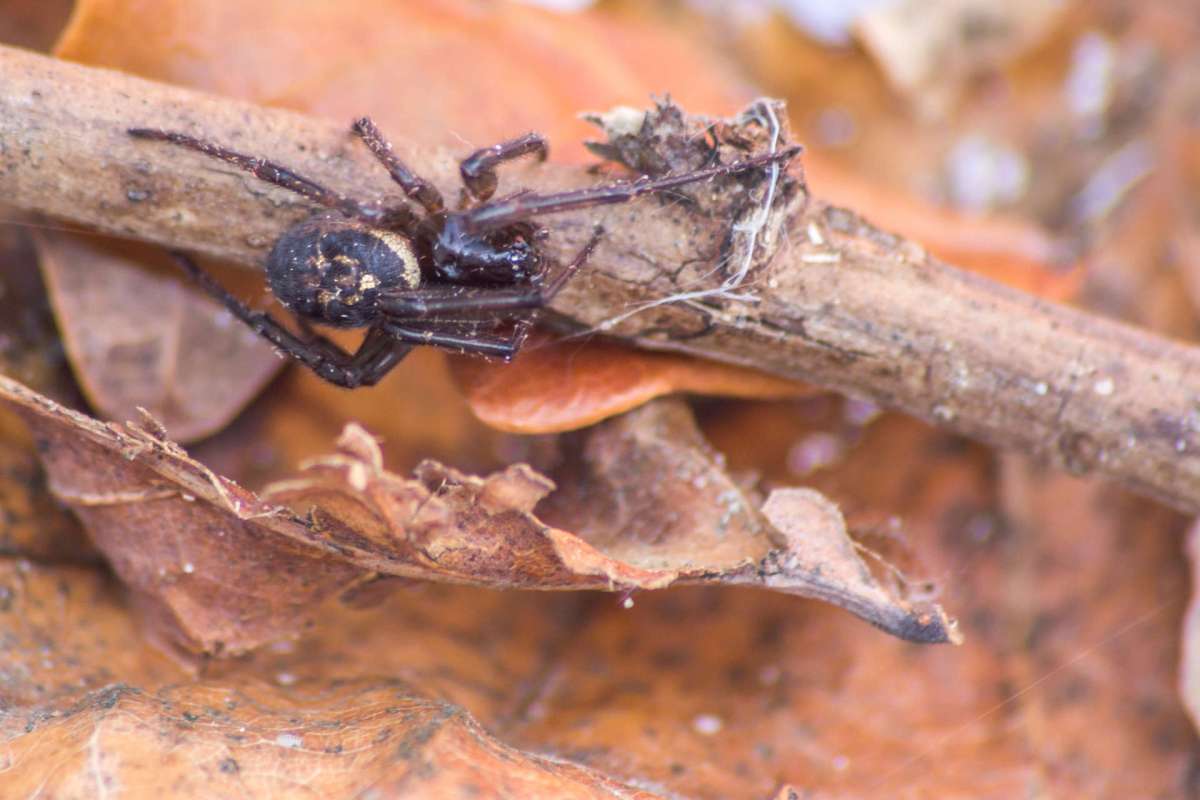
Concern over false widow spiders is growing in the U.K. as reports increase in places that now include Buckingham Palace's gardens, while hospital admissions associated with spider bites have risen to more than double their 2015 level.
Those developments have renewed focus on why the species is becoming more widespread.
What's happening?
Good Housekeeping says National Health Service figures recorded more than 100 hospital admissions for spider bites in 2025, compared with 47 in 2015.
Specialists said a breeding "explosion" among noble false widows is a major reason for the increase.
Dr. Michel Dugon, a Galway University expert on venomous invertebrates, said the species was documented in the U.K. in 1879.
It is thought to have arrived in fruit cargo from Madeira, and after spending decades largely around southern port cities, it began spreading much more quickly.
TCD Picks » Quince Spotlight
💡These best-sellers from Quince deliver affordable, sustainable luxury for all




"However, for reasons we do not fully understand yet, their population exploded throughout the UK since the early 2000s, and they're now a global invasive species with populations across the UK and Ireland," Dugon said.
He said the spider is now likely one of the most common species in urban habitats.
Why does it matter?
Dugon also said warmer average temperatures are giving the species more chances to establish itself farther north.
He argued that trade and the movement of goods help it travel as well: "In many ways, the presence of the noble false widow is a byproduct of globalisation."
As a result, a spider that does well around buildings is showing up more often in places people use every day, including homes, sheds, garages, gardens, and around window frames.
Bites are still relatively uncommon and usually are not life-threatening, but they can be painful.
Dugon compared them to bee or wasp stings and said some people develop steatodism, which can cause pain, tremors, and dizziness.
"For those victims, medical assistance is necessary," he said.
Dugon warned that bacteria carried on some false widows' fangs may lead to serious secondary infections.
What can I do?
Paul Blackhurst, head of the technical academy at Rentokil Pest Control, recommends starting with the places these spiders are most likely to hide.
"False widow spiders in particular are well adapted to living around buildings and are most commonly found in sheltered locations such as sheds, garages and around window frames," he said.
He said gardens with compost heaps, log piles, leaf litter, and dense planting can attract spiders. Indoors, he said they may settle in cupboards and lofts, as well as behind furniture or near skirting boards.
Blackhurst also said it is worth checking stored tables, chairs, potted plants, and firewood before bringing them indoors.
Other steps he recommended included sealing small gaps around doors, windows, and pipework, reducing clutter, vacuuming regularly, and keeping outdoor lighting near entrances lower so fewer insects gather there. With fewer insects around, spiders have less food.
Dugon, however, cautioned that trying to get rid of every spider around the home can backfire. Native spiders compete with false widows for both space and food, so indiscriminate spraying may actually make it easier for the invasive species to establish itself.
"Noble false widows aren't aggressive animals," Dugon said. "They'll defend themselves if they're in danger, but they won't come out of their way to try and bite a human being."

Get TCD's free newsletters for easy tips, smart advice, and a chance to earn $5,000 toward home upgrades. To see more stories like this one, change your Google preferences here.






