


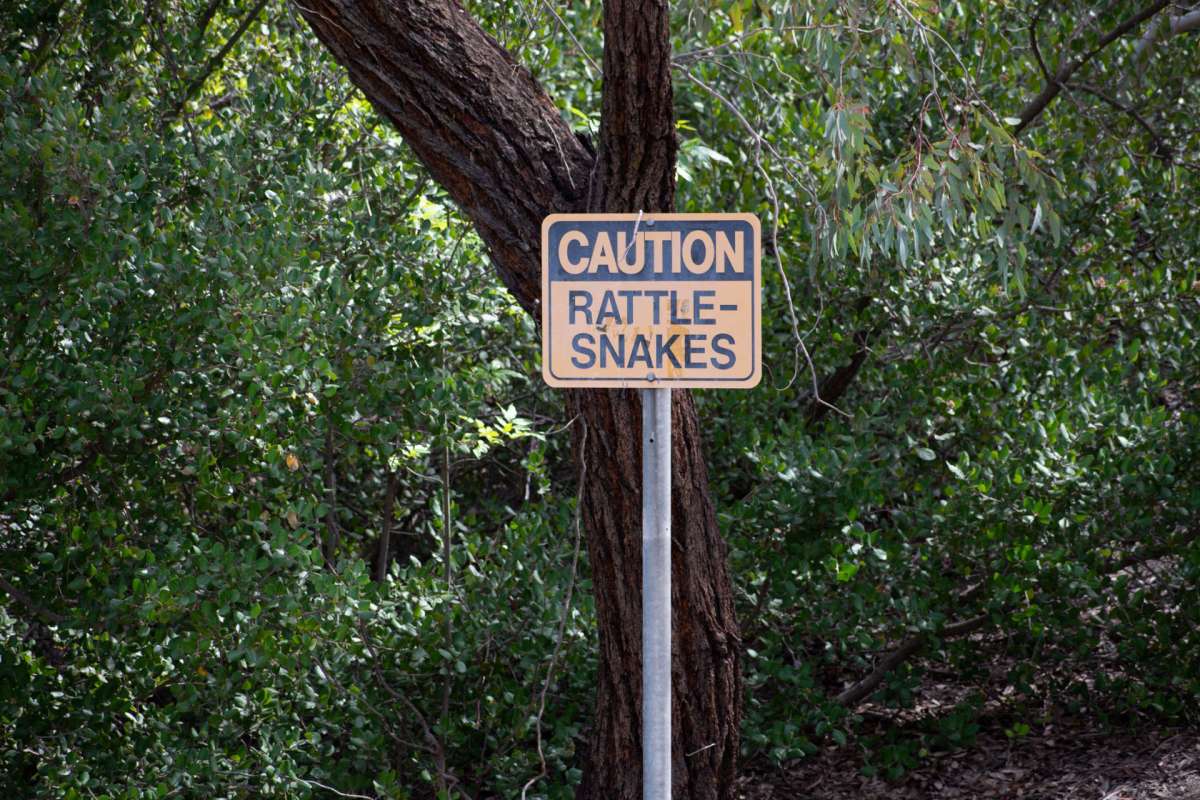
A visit to family in California became a life-or-death ordeal for an Idaho father after a rattlesnake bit him twice, leaving him in need of 54 doses of antivenom.
The event comes as rattlesnake bites are rising across the state, where an ordinary household task can become life-threatening.
What's happening?
On May 26, Chris Howarth was in Oroville visiting relatives when he went into his parents' backyard to look at a water line following wet weather, SFGate reported.
He thought he had stepped on something sharp, then looked down and saw a rattlesnake.
His family did not at first grasp how serious the situation was.
"I went inside. My wife thought I was joking," he told SFGate.
TCD Picks » Quince Spotlight
💡These best-sellers from Quince deliver affordable, sustainable luxury for all




After he showed her his leg, he said, she and their children began "freaking out."
The snake had bitten him twice — one bite was shallow, he said, and the other struck a vein.
By the time he reached a hospital, he had a numb tongue, swollen lymph nodes, and difficulty breathing, per the newspaper.
He received antivenom about an hour after the bite, but his condition kept changing.
Three days later, he developed disseminated intravascular coagulation, a dangerous clotting problem that can trigger severe bleeding.
His treatment exhausted the hospital's antivenom supply, and he was airlifted about 200 miles to Stanford Hospital, where doctors used a different antivenom, SFGate reported.
He spent 12 days in the hospital, most of them in intensive care.
Why does it matter?
By July 2, California had recorded 249 rattlesnake bites and three deaths, when it saw 418 for the entirety of 2025, according to SFGate, though it did not say how many had been recorded around the same time that year.
The paper said a March heat wave was one factor behind the increase because it intensified rattlesnake activity from that point forward.
Human activity can make wildlife encounters more likely, too. Hot conditions; altered landscapes; and people spending time in yards, neighborhoods, and habitats can increase overlap between humans and animals.
In this case, a routine home-maintenance chore placed Howarth in danger.
Warning signs that people often rely on may not always be obvious. The family said the wet conditions muffled the snake's rattle and made it harder to hear.
Experts who study why wild animals attack humans say many encounters happen not because animals are looking for conflict but because changing conditions bring them closer to people.
What can I do?
If you live in or travel through rattlesnake country, approach yards, trails, woodpiles, and water-access areas with caution, especially during warm spells or after unusual weather.
Wear sturdy shoes, avoid reaching into spaces you cannot see, and watch where you step.
If you hear or spot a rattlesnake, give it space and back away slowly. Do not try to handle it.
Around homes, trimming overgrowth, reducing clutter, and carefully checking irrigation and utility areas can lower the chances of a surprise encounter.
If a bite does happen, seek medical help immediately. Rapid treatment can be crucial, but Howarth's case also shows that symptoms can worsen even after care, making close monitoring essential.
"I started feeling really sick," Howarth said of day six. "... I wasn't sure if I was going to pull through. At one point, I wrote some letters to my kids to make sure they had one last letter from dad."

Get TCD's free newsletters for easy tips, smart advice, and a chance to earn $5,000 toward home upgrades. To see more stories like this one, change your Google preferences here.







