


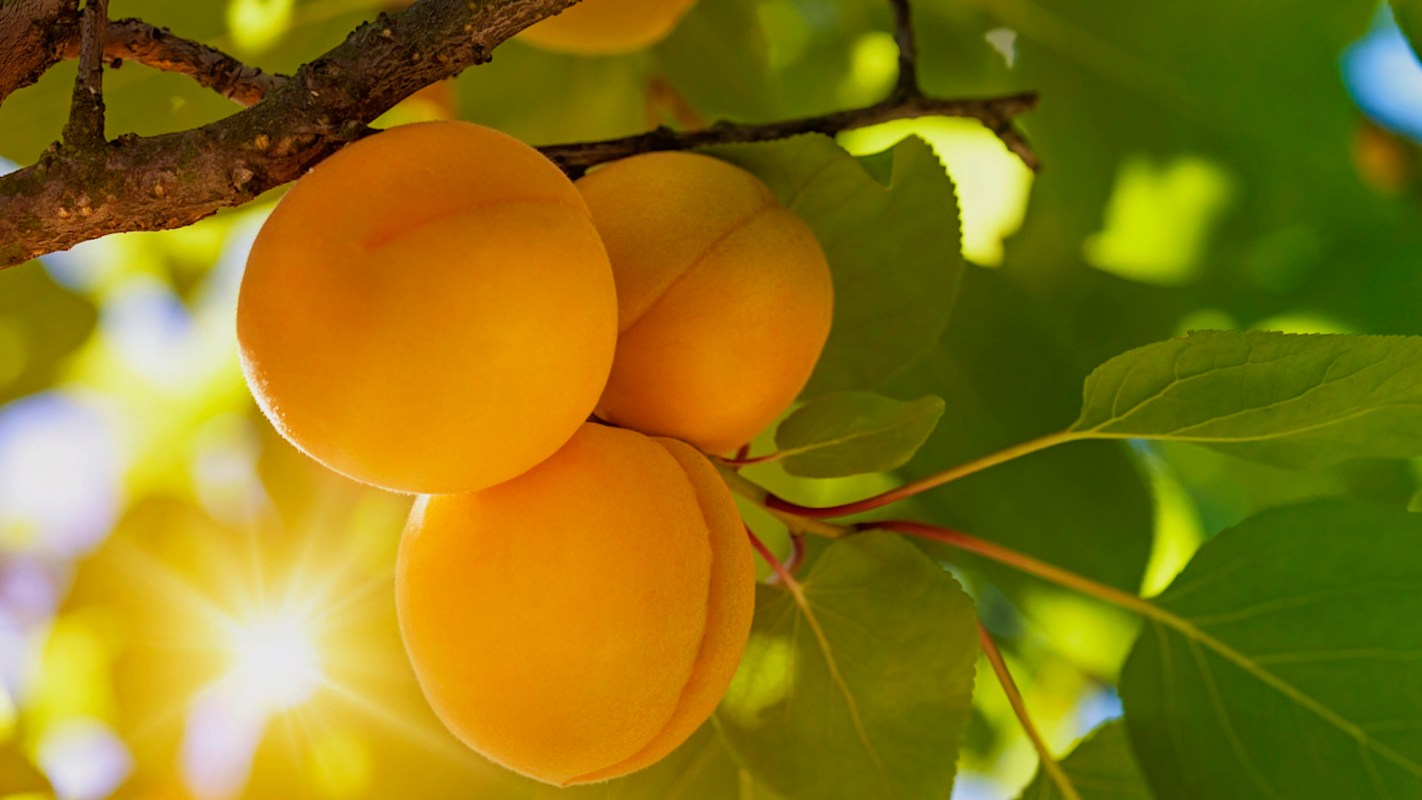
Austria has set a new all-time heat record, with temperatures in Vienna climbing to 41 degrees Celsius, or 105.8 degrees Fahrenheit — a milestone that comes as drought conditions are also showing up in fields and orchards, including apricots that are ripening far earlier than normal.
The record offers a stark snapshot of how extreme heat is reshaping daily life, agriculture, and business all at once, as Türkiye Today reported.
What happened?
According to GeoSphere Austria, Austria's previous record of 104.9°F (40.5C) in the eastern Austrian town of Bad Deutsch-Altenburg had stood since Aug. 8, 2013.
That mark was broken in Stammersdorf, a northeastern area of Vienna, where the temperature climbed past 105.4°F (40.8°C) to reach 105.8°F (41°C).
The agency said Austria had its "fourth-warmest July on record" and is now going through an unusually hot, dry stretch that has also broken several local records.
Rain has been exceptionally scarce as well. GeoSphere Austria said that "at some measuring stations, the precipitation deficit reached 90%."
TCD Picks » Quince Spotlight
💡These best-sellers from Quince deliver affordable, sustainable luxury for all




The changes are already visible in orchards.
The weather agency linked higher average temperatures to crop impacts, noting that apricots are ripening about 20 days earlier than the 1961-1991 average.
Why does it matter?
When high temperatures persist and rain fails to arrive, prolonged heat, dry soil, stressed crops, and economic disruption can follow, putting pressure on food systems, public health, and local businesses.
Farmers may see less pasture for animals and lower yields from already stressed crops, while restaurants and other customer-facing businesses may see fewer people willing to spend time outdoors.
Austria is already seeing both effects: pastures are drying out, and daily business activity in Vienna is being disrupted.
What's being done?
GeoSphere Austria is documenting the pace and scale of heat and rainfall changes, giving officials, farmers, and residents a clearer picture of what is happening and where conditions are becoming most severe.
Government warnings are also part of the response.
Drought is leaving pastures so dry that, according to agriculture minister Norbert Totschnig, it is becoming "increasingly difficult" for farmers to feed their animals.
In Vienna, restaurant owner Nasir Dis said "very few" people were coming to eat and described the weather as "a catastrophe."

Get TCD's free newsletters for easy tips, smart advice, and a chance to earn $5,000 toward home upgrades. To see more stories like this one, change your Google preferences here.






