


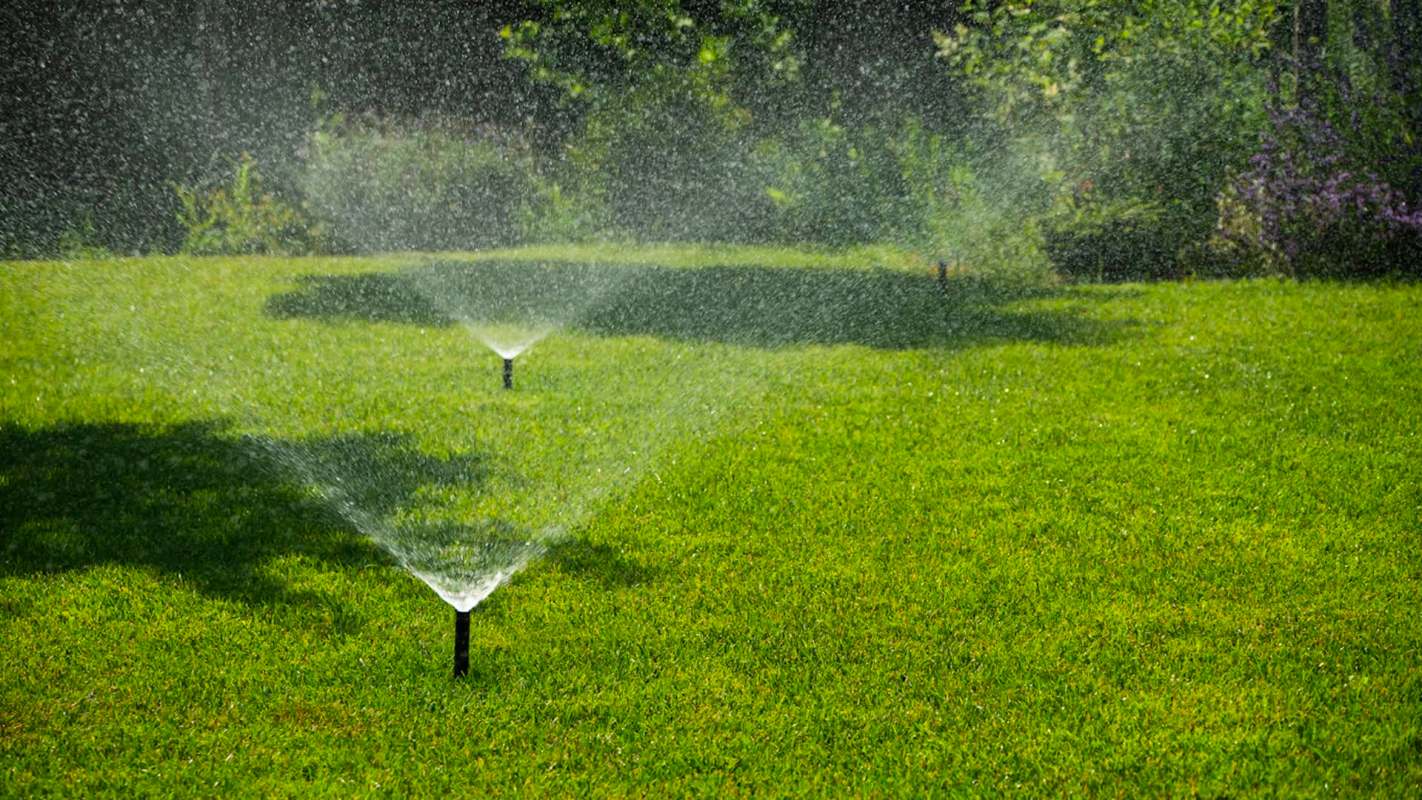
Americans grow an enormous amount of grass — just not the kind they can eat. Across the United States, lawns and turf cover more than 40 million acres, making grass the country's largest irrigated crop by area. That vast footprint is drawing renewed scrutiny as more experts urge homeowners to replace part of their lawns with habitat for birds, pollinators, and beneficial insects.
What's happening?
Because so much land is devoted to turf, more experts are calling on homeowners to turn at least some of that space into habitat for birds, pollinators, and other beneficial insects.
In a column by Frank Becker, Agriculture and Natural Resources Extension Educator with Ohio State University Extension – Wayne County, in The Daily Record, even modest reductions in lawn space were presented as a meaningful way to help rebuild local ecosystems.
Drawing on the work of entomologist Douglas Tallamy, author of "Bringing Nature Home", Becker explained that native plants support entire food webs. Many insects evolved alongside those plants and depend on them, so when native species disappear, insect populations fall, and birds and other wildlife have less to eat.
Through Homegrown National Park, Tallamy has promoted a striking benchmark: Converting half of U.S. lawns into native plantings would create roughly 20 million acres of habitat distributed across the country.
Why does it matter?
A manicured lawn may look polished, but it usually contributes little to biodiversity and often demands repeated mowing, watering, and, in many yards, the use of fertilizers or pesticides.
TCD Picks » Quince Spotlight
💡These best-sellers from Quince deliver affordable, sustainable luxury for all




Cutting back on turf can also mean less routine upkeep.
Plant diversity can strengthen a yard in another way as well. Becker said more varied landscapes attract "bio-allies" such as lady beetles, hover flies, lacewings, assassin bugs, predatory wasps, and parasitoids that help keep pest populations under control.
Joe Boggs, an Ohio State University Extension educator and Buckeye Yard and Garden Line contributor, shared research showing just how effective that relationship can be.
"A scientific paper published in 1976 showed that the parasitoid wasp, Itoplectis conquisitor (family Ichneumonidae) accounted for almost 76% of the parasitism observed on common bagworms in the study," Boggs wrote, according to The Daily Record. "This parasitoid wasp commonly visits flowers to sip nectar. It's a pollinator and a parasitoid."
What can I do?
A complete yard overhaul is not necessary to make a difference.
Becker suggested starting small, whether with a corner of the yard, a border planting, or even a single native tree. Even a partial lawn replacement can save time while creating better habitat for local wildlife.
Possible options include oak trees, arrowwood viburnum, and native flowers such as goldenrod, purple coneflower, and wild bergamot.
As Tallamy described it, native plants have an "unbreakable link" to native wildlife.

Get TCD's free newsletters for easy tips, smart advice, and a chance to earn $5,000 toward home upgrades. To see more stories like this one, change your Google preferences here.






