


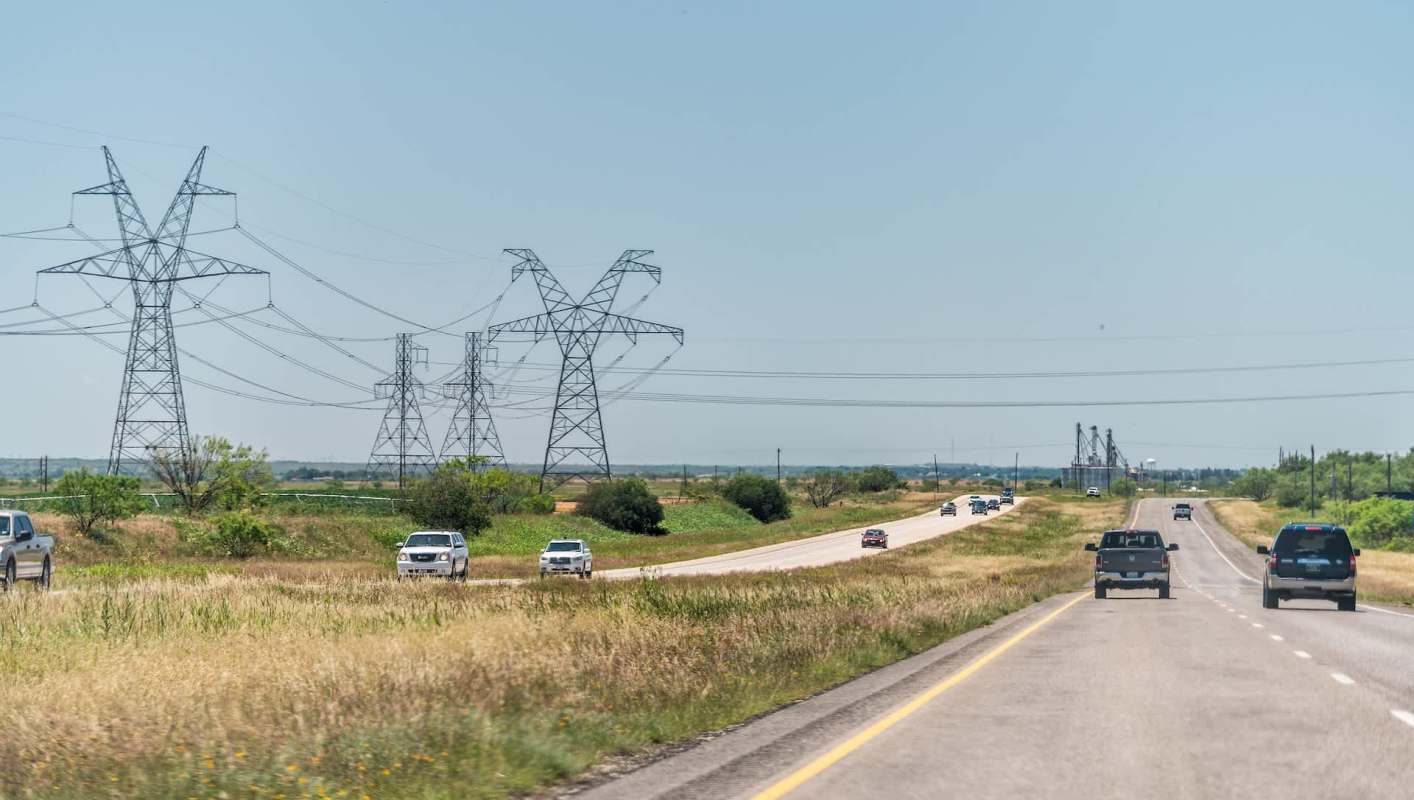
A sweeping energy transmission project in Texas has been temporarily stopped after state regulators suspended action on it, delaying a project that could significantly alter the grid and eventually be paid for through customer bills.
That pause came amid intensifying resistance from rural property owners and state leaders, who said the multibillion-dollar expansion was advancing at the expense of local input, private land protections, and fragile landscapes.
What happened?
In a move reported by KSST Radio, the Public Utility Commission of Texas halted action on several major rulings tied to a proposed 765-kilovolt transmission system on Aug. 3, 2026. If completed, it would mark the largest extra-high-voltage transmission expansion Texas has ever undertaken.
Developers proposed more than 1,200 miles of lines to move power from East and Central Texas toward West Texas as industrial demand grows. The price tag was put at about $33 billion upfront and nearly $100 billion over the project's lifetime, costs critics contend would be borne by electricity customers.
Pressure to stop the process had come from both parties. More than 40 legislators, among them Lt. Gov. Dan Patrick, and numerous landowners in Central and West Texas objected to the plan. Their argument was that what started as a more limited Permian Basin reliability effort had been turned into a far larger statewide project without clear legislative approval.
Why does it matter?
The issue raises questions about monthly utility bills, private land rights, and whether residents get a voice before major infrastructure is routed through farms, ranches, and environmentally sensitive areas.
TCD Picks » Quince Spotlight
💡These best-sellers from Quince deliver affordable, sustainable luxury for all




For many landowners, the stakes include the possible use of eminent domain, diminished land values, and damage to sensitive environments. They say the problem worsened after a 2023 law cut the review period from 360 days to 180 days, leaving residents and their lawyers with much less opportunity to fight proposed routes.
The dispute also reflects a debate over how Texas should meet rising power demand. The proposal leaned heavily on expanding long-distance transmission for remote wind and solar generation. Critics say it should instead consider local natural gas generation closer to the Permian Basin.
Landowner advocacy groups described that strategy as "hauling water to the sea," saying a large-scale buildout could move ahead before other options were fully evaluated.
What's being done?
The PUCT's abatement means final approvals remain pending while administrative law judges review parallel segments of the proposed lines. That gives opponents more time to press for answers on cost, need, route selection, and the project's effects on communities and landscapes.
Lawmakers have also indicated they want broader policy changes. Those changes could include revisiting review windows and adding private property safeguards before any permanent transmission corridors are approved.
"What began as a small regional transmission project to energize the Permian Basin has literally become a statewide transmission plan that was not authorized by the Legislature," State Rep. Brad Buckley said, per KSST Radio. "Pause this project, make the applicants prove the need, and let's get it in alignment with our electrical generation needs."

Get TCD's free newsletters for easy tips, smart advice, and a chance to earn $5,000 toward home upgrades. To see more stories like this one, change your Google preferences here.






