


In Harford County, Maryland, a plan to install a large-scale battery storage facility on forested land overlooking Deer Creek has become a flashpoint, with neighbors and county leaders arguing the site places a major energy project in an unusually fragile setting.
Maryland Matters said the Maryland Public Service Commission considered four battery storage applications on July 30 for a new state incentive. Only one of them — this 500-megawatt Oystercatcher Energy Storage Project — drew opposition.
What's happening?
Tenaska, the company developing the battery storage project, wants to build Oystercatcher near Baltimore Gas & Electric's Conastone Substation in northwestern Harford County, according to Maryland Matters. The company said the project would be at least 600 feet from Deer Creek and that most of the roughly 70-acre site would remain forested.
Those assurances did little to calm residents, who said the hillside location is itself unacceptable. Jennifer Wilson, a local resident whose children attend nearby Norrisville Elementary School, told regulators, "Environmentally, you would struggle to find a worse site for this project."
County officials focused on the potential consequences of an emergency at the site. Harford County Executive Bob Cassilly warned that a fire or other incident on the steep hillside could send runoff into the creek, while Matthew Kropp, who heads Harford County's planning and zoning department, testified that "toxic heavy metals and chemicals" could leach into soil or water and that local fire departments lacked "the training, knowledge and resources to deal with a potential emergency."
A representative for Del. Lauren Arikan said her office has collected 1,300 signatures in a petition against the project.
TCD Picks » Quince Spotlight
💡These best-sellers from Quince deliver affordable, sustainable luxury for all




Why does it matter?
The dispute reflects a growing challenge for clean energy development. Even projects meant to support a lower-pollution grid can face fierce resistance when nearby communities believe they are being asked to take on too much risk.
To nearby residents, Deer Creek is not simply scenic land; it is an important local waterway within a watershed that flows into the Susquehanna River.
The debate also comes as Maryland moves to expand battery storage quickly. Maryland Matters reported that in 2025, lawmakers directed the Public Service Commission to seek up to 1,600 megawatts of battery storage, and in 2026, legislators extended that cap if projects meet cost-effectiveness standards.
Supporters have said the technology can help reduce pollution and improve grid reliability by storing electricity for later use, especially during periods of high demand. Critics, however, have noted that Oystercatcher may not provide enough financial benefit to outweigh the environmental and safety concerns.
What's being done?
Tenaska said the project would use lithium-ion-phosphate batteries instead of standard lithium-ion systems, placing them in purpose-built enclosures with cooling systems. Keith Latham, Tenaska's battery storage development lead, said newer projects benefit from stronger codes and best practices, and that the company plans to work with local fire departments and the fire marshal on an emergency response plan.
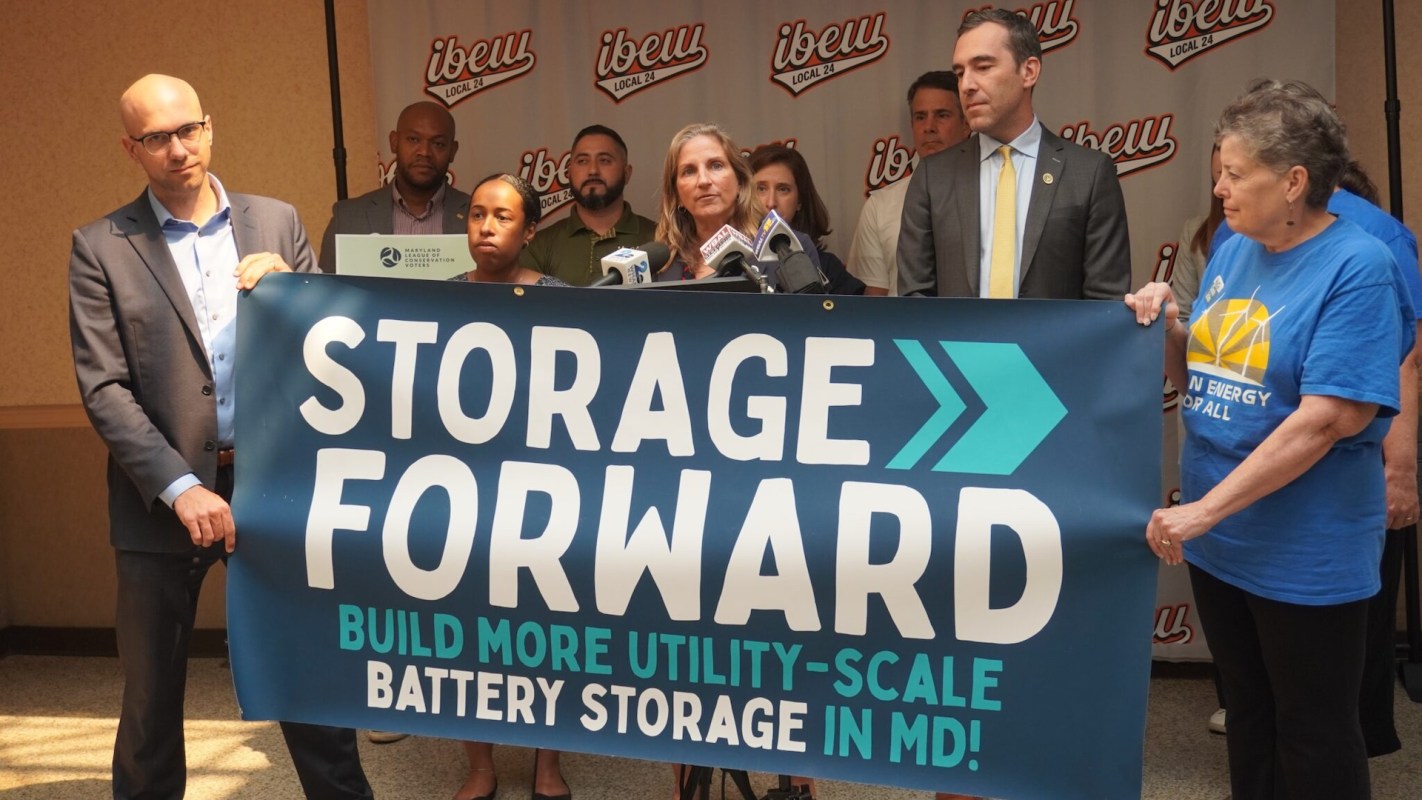
Supporters of battery storage also pushed back during a Baltimore news conference on July 30, saying fears about the technology can rely on outdated examples. Adam Dubitsky, the Maryland Land & Liberty coalition's state director, said these systems "are safe when done right," while Del. Lorig Charkoudian said approved projects must follow National Fire Protection Association standards meant to prevent fires from spreading between battery units.
Even if Oystercatcher or another project receives the state credit, construction is not guaranteed. The commission must still approve construction plans, giving residents more opportunities to press for answers about siting, water protection, and emergency response.

Get TCD's free newsletters for easy tips, smart advice, and a chance to earn $5,000 toward home upgrades. To see more stories like this one, change your Google preferences here.






