


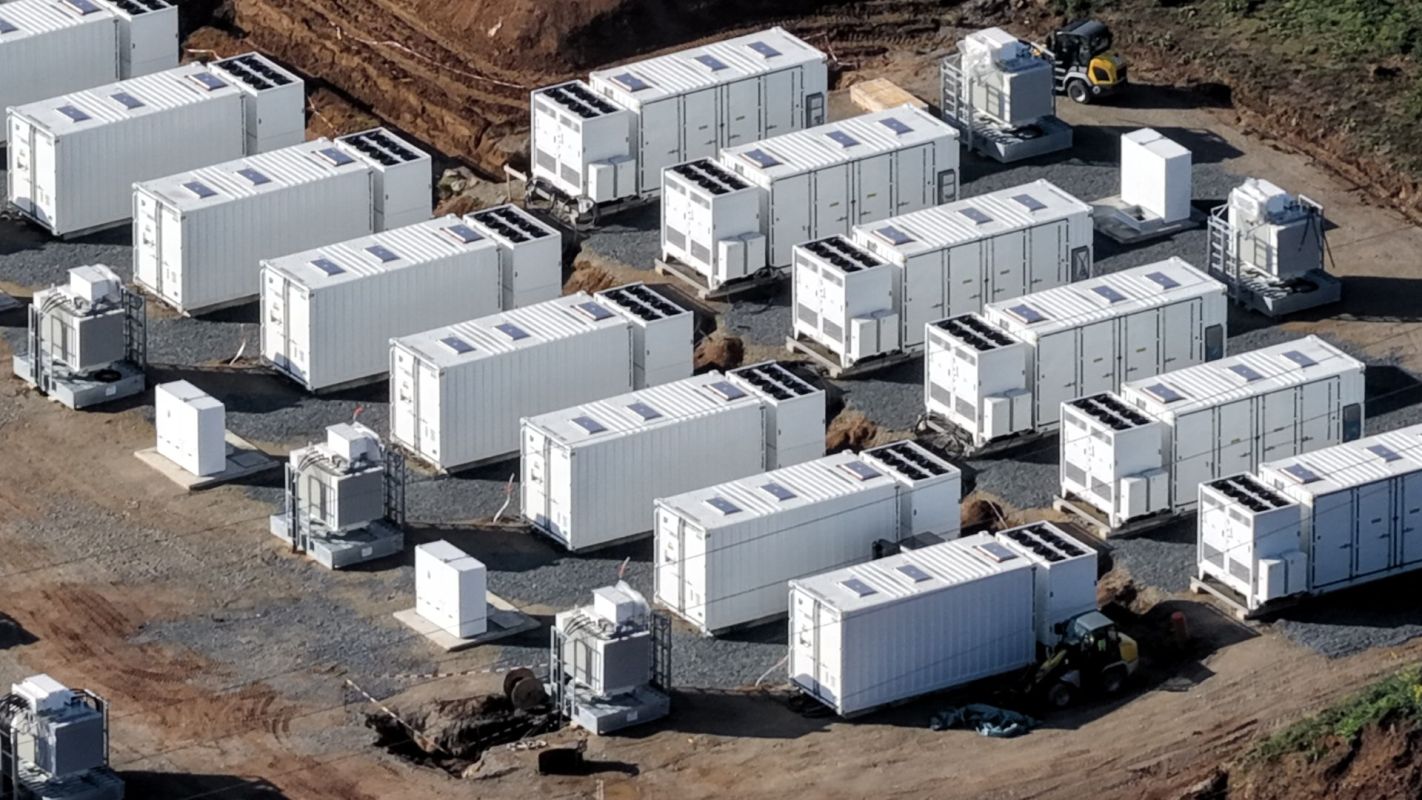
Battery storage projects are back on the table in the New York town of Clay after months of debate over safety, siting, and emergency planning — a decision that could affect how reliably electricity reaches homes and businesses when demand spikes.
Clay officials are getting ready to examine three proposed battery systems, which can send stored power to the grid during periods of heavy demand and help maintain reliable service for residents and businesses.
What's happening?
At a July 20 meeting, Clay leaders were expected to take up several infrastructure matters, among them three battery energy storage proposals, according to WSYR-TV. The projects were being reviewed after the town put a new battery storage law in place.
These Battery Energy Storage Systems, known as BESS, hold electricity when demand is lower and return that power to the grid during busier periods.
The applications include Carson Power at 7846 and 7850 Goguen Drive, described as a 12-unit battery storage facility, as well as two Tesla Megapack projects from Nexamp: Wetzel Storage at 4664 Wetzel Road and Long Branch Storage on Long Branch Road.
Before reaching this stage, the town had paused BESS development for six months. That moratorium began after residents voiced concerns in February about fire risks and how near the facilities could be to homes.
TCD Picks » Quince Spotlight
💡These best-sellers from Quince deliver affordable, sustainable luxury for all




Why does it matter?
Battery storage may not be as visible as a new power plant or transmission line, but it can play a major role in daily life. By storing electricity and releasing it when demand is high, these systems can help stabilize the grid during heat waves, storms, and other stressful conditions that raise the risk of outages.
That kind of flexibility can also save utilities and communities time and money by relieving pressure during peak-demand hours. When the grid operates more efficiently, it can support everything from household air conditioning to local business operations with fewer disruptions.
However, at the same time, public concern around battery facilities is real. Questions about fire risk, emergency response, and environmental protections can help to shape whether or not residents feel comfortable with new energy infrastructure close to where they live.
Clay's new law is intended to balance the benefits of modern energy storage with guardrails that address safety and location concerns.
What's being done?
Clay's law limits larger BESS developments and calls for emergency response plans, setbacks, and wetland protections, Deputy Town Supervisor Joe Bick told WSYR-TV.
First responders can implement emergency planning tactics to prepare for rare but serious incidents. On a community level, environmental protections can reduce any potential conflicts with homes and sensitive land.
Following months of concern and a temporary pause, with the moratorium lifted and a new law in place, Clay now appears to be moving into the decision-making phase. The town's approach could shape how it weighs cleaner, more flexible grid infrastructure against local safety expectations.

Get TCD's free newsletters for easy tips, smart advice, and a chance to earn $5,000 toward home upgrades. To see more stories like this one, change your Google preferences here.






