


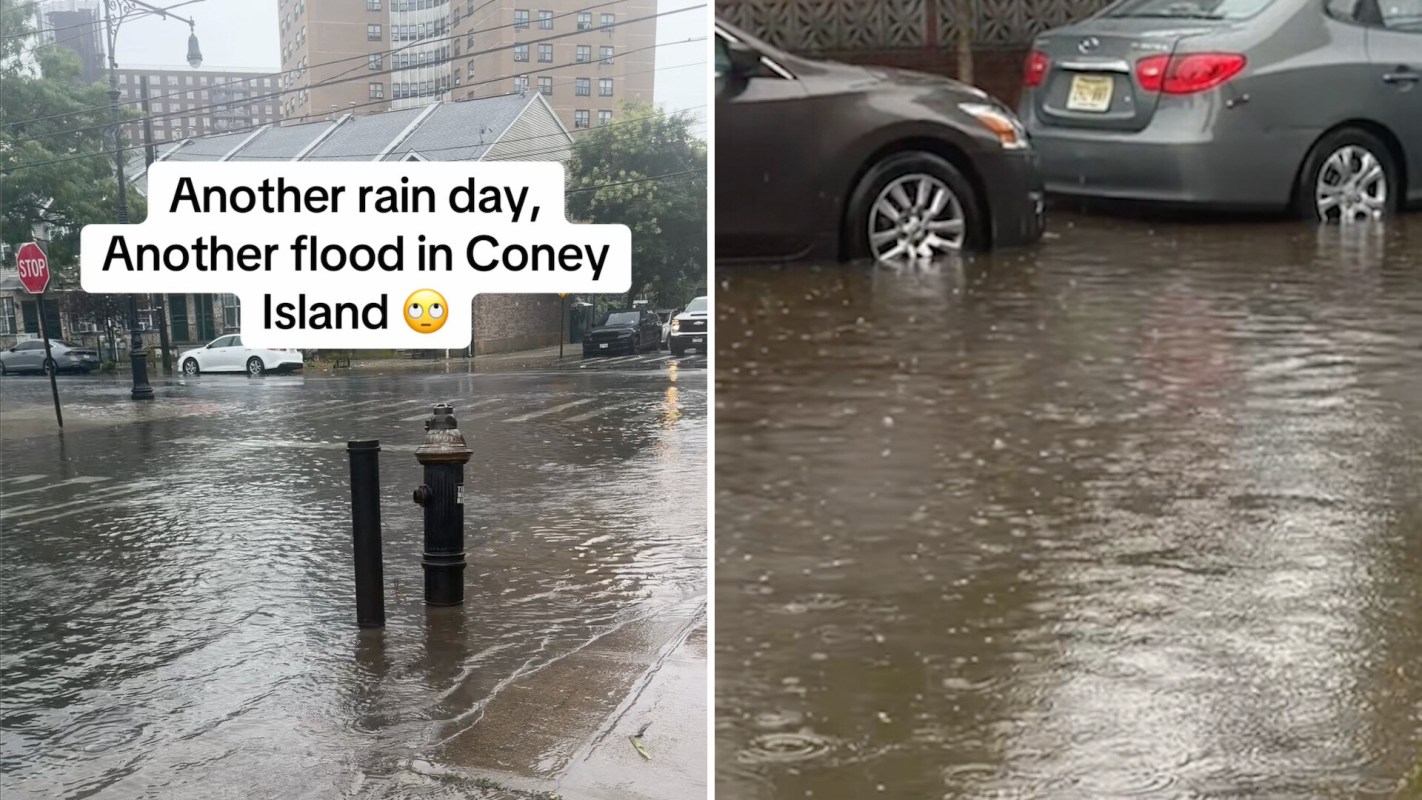
Fast-rising water on Coney Island streets offered a stark snapshot of what intense downpours can do in one of New York City's lowest-lying neighborhoods.
During heavy rain in New York City, a Brooklyn creator recorded the scene, capturing how rapidly overwhelmed drainage can turn ordinary roads into risky stretches.
What happened?
The footage, posted on TikTok by Sergio Vaysman (@antman1188), shows water spreading across a Coney Island roadway during a burst of heavy rain in New York City.
Two commenters focused on drainage and street design. One wrote, "Maybe we clean out the sewers," while another added, "Clean drainage Pl don't create issues with blocking tissues."
Others pointed to the area's geography: "I mean. Coney is on the ocean. It's like 1ft above sea level."
@antman1188 #brooklyn #coneyisland #flood #rain #nyc ♬ original sound - Sergio Vaysman
Why does it matter?
Even brief periods of intense rain can snarl traffic, damage vehicles, flood basements, and create dangerous conditions for pedestrians and emergency responders.
TCD Picks » Quince Spotlight
💡These best-sellers from Quince deliver affordable, sustainable luxury for all




Additionally, floodwater can carry sewage, chemicals, and debris, while damp buildings can contribute to mold growth.
The economic consequences can also linger long after the rain stops. When businesses are forced to close, workers can lose hours, families can face costly repairs, and neighborhoods can suffer broader financial setbacks.
Heavier downpours are especially hard on older urban infrastructure. When too much rain falls too quickly, storm drains and sewer systems may not be able to keep up, sending water into streets, subways, and buildings.
One commenter connected the clip to the city's longer flood history, writing, "And that is why when we had Sandy the city had no chance with the flooding."
What's being done?
At the city level, flood protection often depends on a mix of sewer maintenance, drainage upgrades, coastal resilience projects, and street design that helps move water away from homes and businesses more safely.
Low-lying neighborhoods require especially strong preparation because rain-driven flooding and coastal flooding can compound each other.

Get TCD's free newsletters for easy tips, smart advice, and a chance to earn $5,000 toward home upgrades. To see more stories like this one, change your Google preferences here.







