


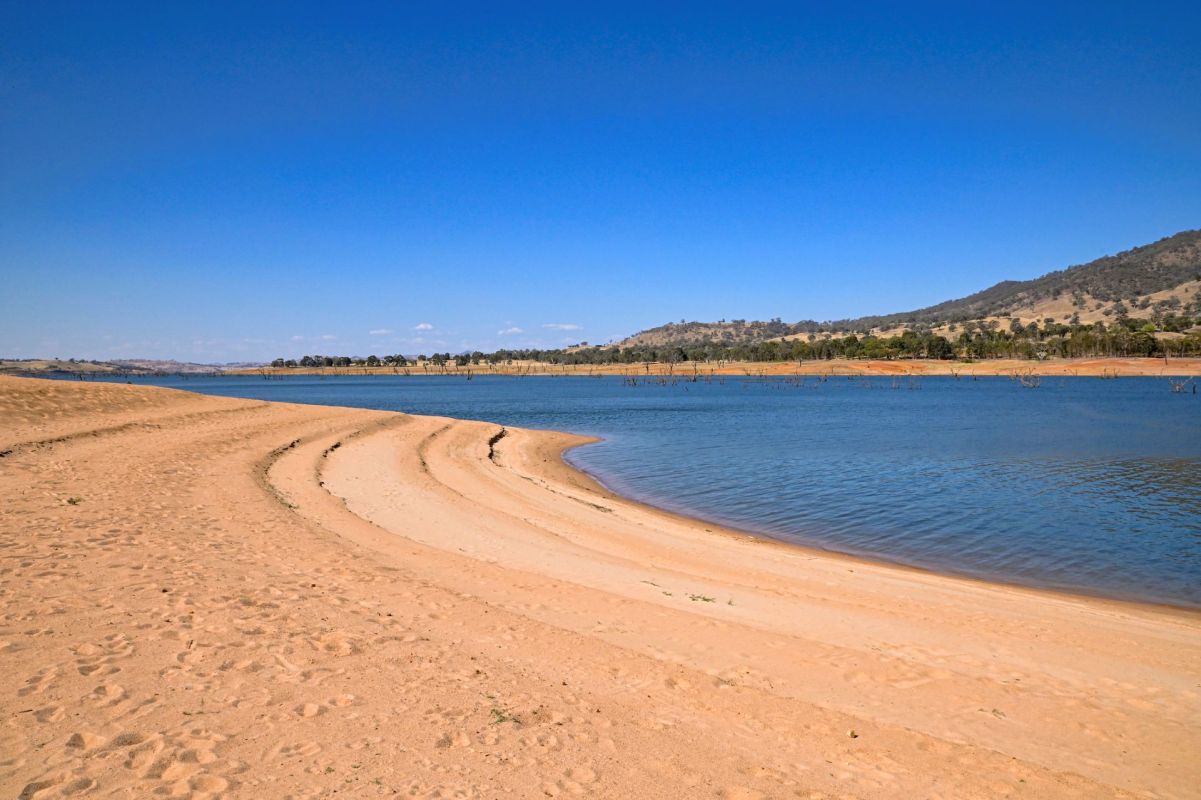
Drought is often discussed as a water supply problem or as a factor contributing to wildfires. But one expert in Virginia says it may also affect what is actually in the water people drink, including per- and polyfluoroalkyl substances, or PFAS — the persistent industrial compounds commonly known as "forever chemicals."
As policymakers consider how tightly to regulate newer PFAS, drought concerns add another layer for communities trying to understand what may be coming out of the tap.
What's happening?
According to public radio station WVTF, Kirin Furst — an associate professor of civil and environmental engineering at Virginia Tech and co-director of the Occoquan Watershed Monitoring Laboratory — said droughts can lead to higher PFAS concentrations in some waterways.
"Under lower flow conditions, which you see in a drought, you can see an increase in PFAS concentrations," Furst told WVTF. "But it totally depends on what the sources are."
Regulators have been paying especially close attention to older PFAS compounds. Furst said that group includes chemicals such as C8, once used on Teflon, and noted that scientists have much more toxicity information for some of those older substances than for many of the newer chemicals in the PFAS family.
"These are the ones that regulators are focusing on the most, those legacy PFAS. In part because we think they're particularly toxic," she said. "In part maybe just because we have more data about their toxicities."
TCD Picks » Quince Spotlight
💡These best-sellers from Quince deliver affordable, sustainable luxury for all




Newer PFAS have increasingly replaced those older compounds in manufacturing. Among them is GenX, which turned up in the Roanoke River.
Meanwhile, clean water advocates say the federal government is moving to roll back water rules aimed at tracking and limiting such chemicals.
Why is this concerning?
Because PFAS risks are generally tied to long-term, repeated exposure, the main concern is usually not a single glass of water but what people may be taking in over time.
Meanwhile, the variable of drought may make it difficult to assess the quality of a local water supply for the residents who drink it every day. And while drought may concentrate pollutants, heavy rain can also raise PFAS levels if runoff carries contamination from nearby industrial sites into waterways.
Both too little water and sudden surges can create problems, depending on local pollution sources, according to WVTF. It's another layer that can complicate water quality and health risk assessments.
Exposure to certain levels of some PFAS has been linked with serious health concerns, including reproductive issues, developmental delays, and cancers.
What can I do?
One practical step for residents to take is to contact the local water system and ask what PFAS levels have been detected in the area.
Home filtration may also help reduce exposure through drinking water, but not every filter works the same way. The Environmental Protection Agency recommends checking whether a filter carries National Sanitation Foundation certification for PFAS removal, according to WVTF.
Scientists are still working to figure out how PFAS behave in the environment and how they might be removed.
"So it seems like just a global phenomenon at this point," Furst said. "Like we've just injected so much PFAS … that it's gonna be there awhile."

Get TCD's free newsletters for easy tips, smart advice, and a chance to earn $5,000 toward home upgrades. To see more stories like this one, change your Google preferences here.






