


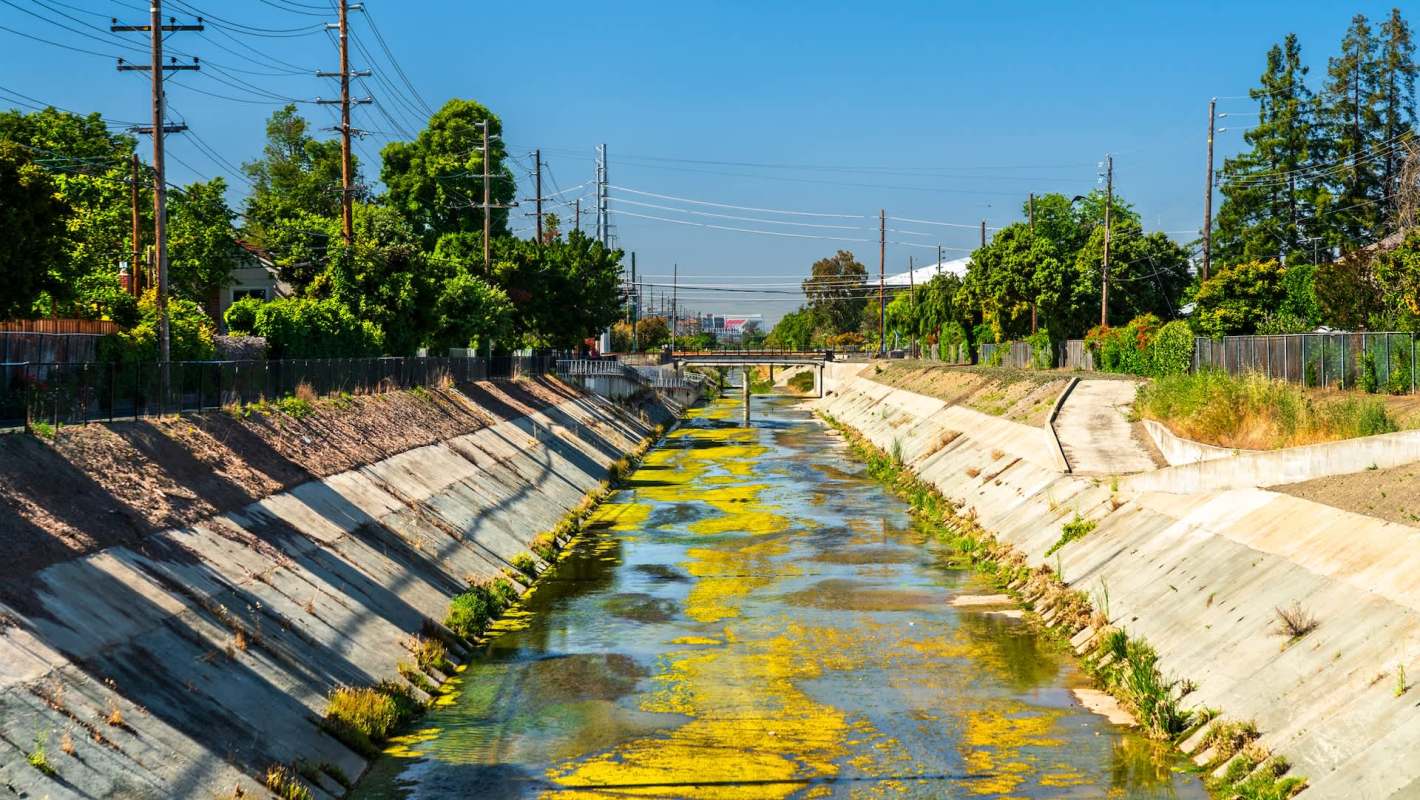
California's waterways may be carrying troubling byproducts of modern agriculture, the so-called "forever chemicals," or PFAS, that do not meaningfully fade once they enter the environment.
A new analysis by EWG points to a broad contamination issue, indicating that PFAS tied to pesticides may be present in about half of the state's water.
Using state and federal records, the nonprofit Environmental Working Group found evidence of PFAS in about 50% of California surface-water samples and in roughly 45% to 55% of sediment samples.
Known as per- and polyfluoroalkyl substances, PFAS are extremely persistent chemicals that can stay in soil, water, and the bodies of people and animals for very long periods.
In the report, EWG researchers wrote, "These findings suggest pesticides could also be exposing millions of Californians to PFAS through water and soil. What's worse, exposure may persist for generations."
The report included a major caveat: Testing has been limited, which means the scope of the problem could be even broader than the current data suggests. EWG report co-author Varun Subramaniam told the Guardian that the results are "alarming but not surprising."
TCD Picks » Quince Spotlight
💡These best-sellers from Quince deliver affordable, sustainable luxury for all




Another similar study estimated that California farms applied about 2.5 million pounds of PFAS to their crops annually from 2018 through 2023, with the highest levels in intensively agricultural areas.
This is as much a public health issue as an environmental one, as PFAS are associated with changes in immune and liver function, higher cancer risk, and pregnancy complications.
Their persistence means today's contamination can continue affecting people and ecosystems far into the future. As the researchers succinctly explained, "PFAS never fully break down in the environment."
Pollution from farm chemicals does not necessarily stay on farmland. Water and soil can carry contamination into places used by nearby communities, wildlife, and other farms. That means pesticide use in one area can create hazards well beyond the fields where it was first applied.
At least 60% of pesticide active ingredients fall into the PFAS category, suggesting the problem is neither narrow nor isolated.

Get TCD's free newsletters for easy tips, smart advice, and a chance to earn $5,000 toward home upgrades. To see more stories like this one, change your Google preferences here.






