


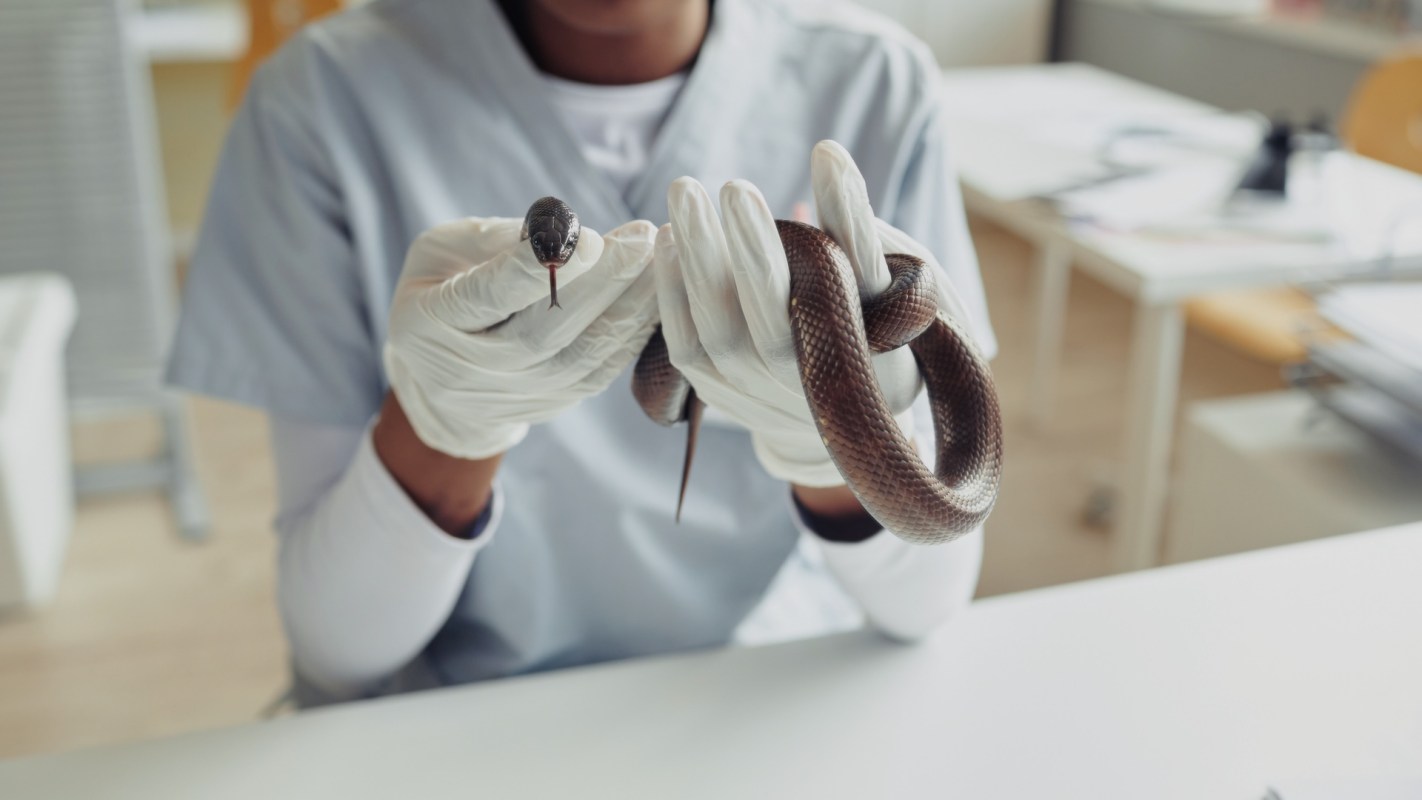
A mysterious fungal disease is threatening wild snakes in Southeast Queensland, Australia, raising alarm among researchers in a country known for its remarkable reptile diversity.
What's happening?
According to Better Homes and Gardens Australia, researchers have identified ophidiomycosis, or snake fungal disease, in carpet pythons, eastern brown snakes, white-crowned snakes, eastern bandy bandies, and keelbacks in the region.
The disease causes lesions to form on snakes' underbellies, heads, and tails, and there is currently no known cure.
Shelly Butcher, a wildlife vet and Ph.D. researcher at the University of Queensland, told Better Homes and Gardens Australia that infected snakes may also show skin discoloration, crusting, lethargy, weight loss, and unusual shedding.
The origin of the disease remains uncertain. Butcher told Better Homes and Gardens Australia that it may have been introduced through the pet trade, but more evidence is needed to confirm that.
"Sadly, many of the animals we've seen have been too severely affected for treatment to be a viable option," Butcher told the outlet.
TCD Picks » Quince Spotlight
💡These best-sellers from Quince deliver affordable, sustainable luxury for all




Why does it matter?
Snakes in Queensland play an important role in controlling rodent populations, and they serve as prey for native birds such as kookaburras and wedge-tailed eagles.
The effects of their population decline could ripple through ecosystems and nearby communities. More rodents could create problems around homes, farms, and food supplies, while disruptions higher up the food chain may further weaken already stressed habitats.
As Butcher put it, "Fungal diseases can reduce their survival and reproduction, adding to the pressures snakes already face from climate change, habitat loss and invasive species."
What is being done?
According to Better Homes and Gardens Australia, a joint effort involving wildlife researchers, vets, wildlife hospitals, and snake catchers is already underway to monitor the disease and collect samples.
Snake catcher Summer Woolston of Sunshine Coast Snake Catchers told the outlet, "We're learning more about the disease and gathering samples for research. We now assess all wild snakes before release to prevent the spread of the fatal disease. We also gather swabs, clippings and complete surveys to assist Shelly with her research."
If you see a snake that appears sick, experts say not to touch it. As Better Homes and Gardens Australia noted, take photos and note where you saw it if it is safe to do so, then contact a nearby vet, wildlife hospital, rescue group, or snake catcher.

Get TCD's free newsletters for easy tips, smart advice, and a chance to earn $5,000 toward home upgrades. To see more stories like this one, change your Google preferences here.






