


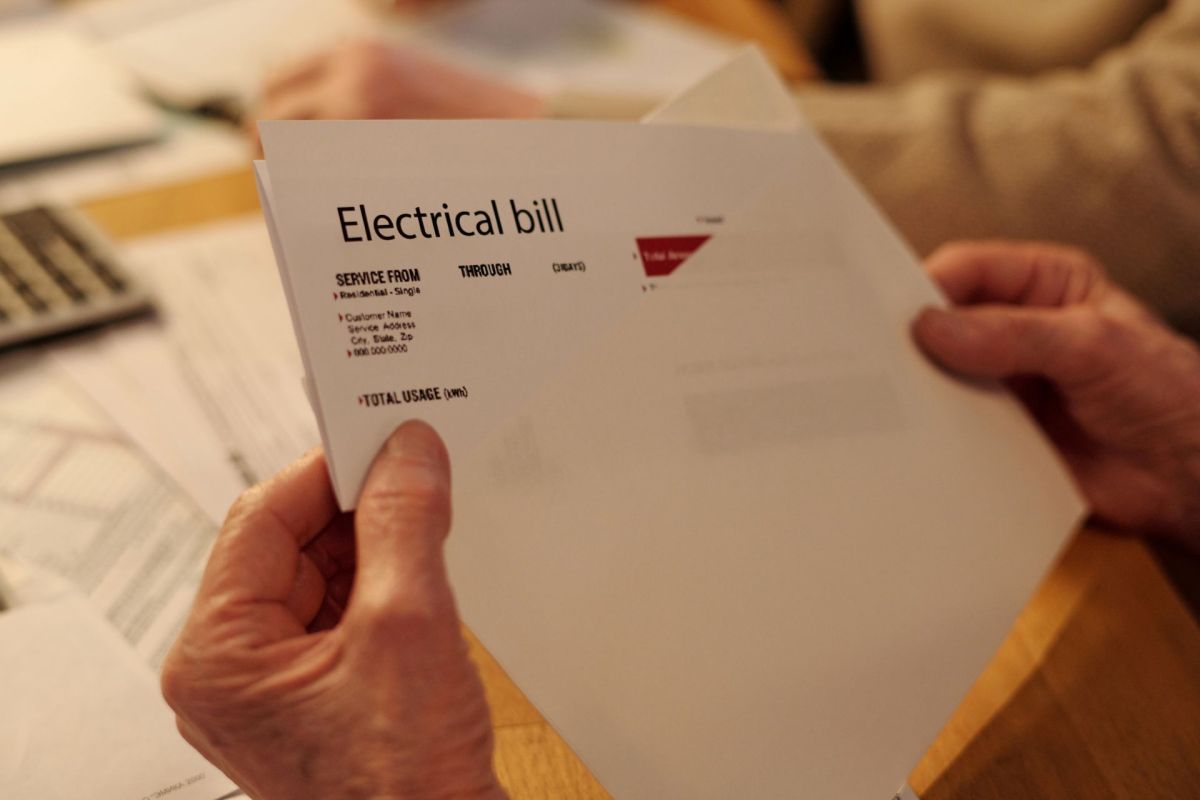
Campaign rhetoric led many New Jersey residents to expect lower summer electric bills. Instead, the relief appears less like an actual freeze on rates and more like a temporary credit that provides brief assistance without changing the underlying price of electricity.
For households already squeezed by housing, grocery, and insurance costs, that difference becomes clear as soon as the monthly bill shows up.
What happened?
According to an opinion piece from Phil Stilton of Shore News Network, Gov. Mikie Sherrill's pledge to freeze utility rates did not result in unchanged July bills for many residents.
Sherrill signed an executive order telling the New Jersey Board of Public Utilities to offset 2026 electricity supply increases with bill credits, review other charges, and, where legally possible, consider postponing some rate proceedings.
That order did not lock every piece of a monthly electric bill in place. As Stilton noted, delivery costs, infrastructure charges, taxes, usage, and previously approved surcharges can still change.
Under the plan described, residential customers are expected to receive one $25 credit in August, financed with about $170.8 million from Solar Alternative Compliance Payment funds and the state's Clean Energy Program budget.
TCD Picks » Quince Spotlight
💡These best-sellers from Quince deliver affordable, sustainable luxury for all




A previous state credit was $100, so the relief is smaller even as some households remain under pressure from high bills.
Stilton also said the cost strain began before Sherrill, citing the 2025 PJM capacity auction as a contributor to residential rate increases of roughly 17% to 20% starting in June 2025.
Why does it matter?
A one-time credit can trim a single bill, but, as Stilton argued, it does not reduce the base cost of generating electricity and delivering it through the grid.
That means some households may still have to choose between cooling their homes during extreme heat, buying groceries, and keeping up with rent, mortgage, and insurance payments.
When residents hear the words "rate freeze" yet continue receiving bills that stretch their budgets, trust in public promises can weaken quickly.
Stilton also argued that using money from energy programs to soften bills may help in the short term without removing the costs altogether.
Rather than eliminating those expenses, the approach may simply move them elsewhere, prompting questions about how those programs will be funded later.
New Jersey also cannot address the problem through state messaging alone because PJM, the regional transmission organization, runs wholesale electricity across multiple states. Preventing future price spikes will require enough dependable power supply and enough grid capacity across the region.
What's being done?
The state's approach centers on the executive order, the bill credits, and additional review by the Board of Public Utilities.
A more durable answer will probably take more than one-time subsidies. New Jersey and the broader PJM region need clearer strategies for reliable generation, transmission expansion, and quicker development of new energy resources.
As Stilton put it, "Words like 'freeze' carry meaning" when affordable electricity is what residents were counting on.

Get TCD's free newsletters for easy tips, smart advice, and a chance to earn $5,000 toward home upgrades. To see more stories like this one, change your Google preferences here.






