


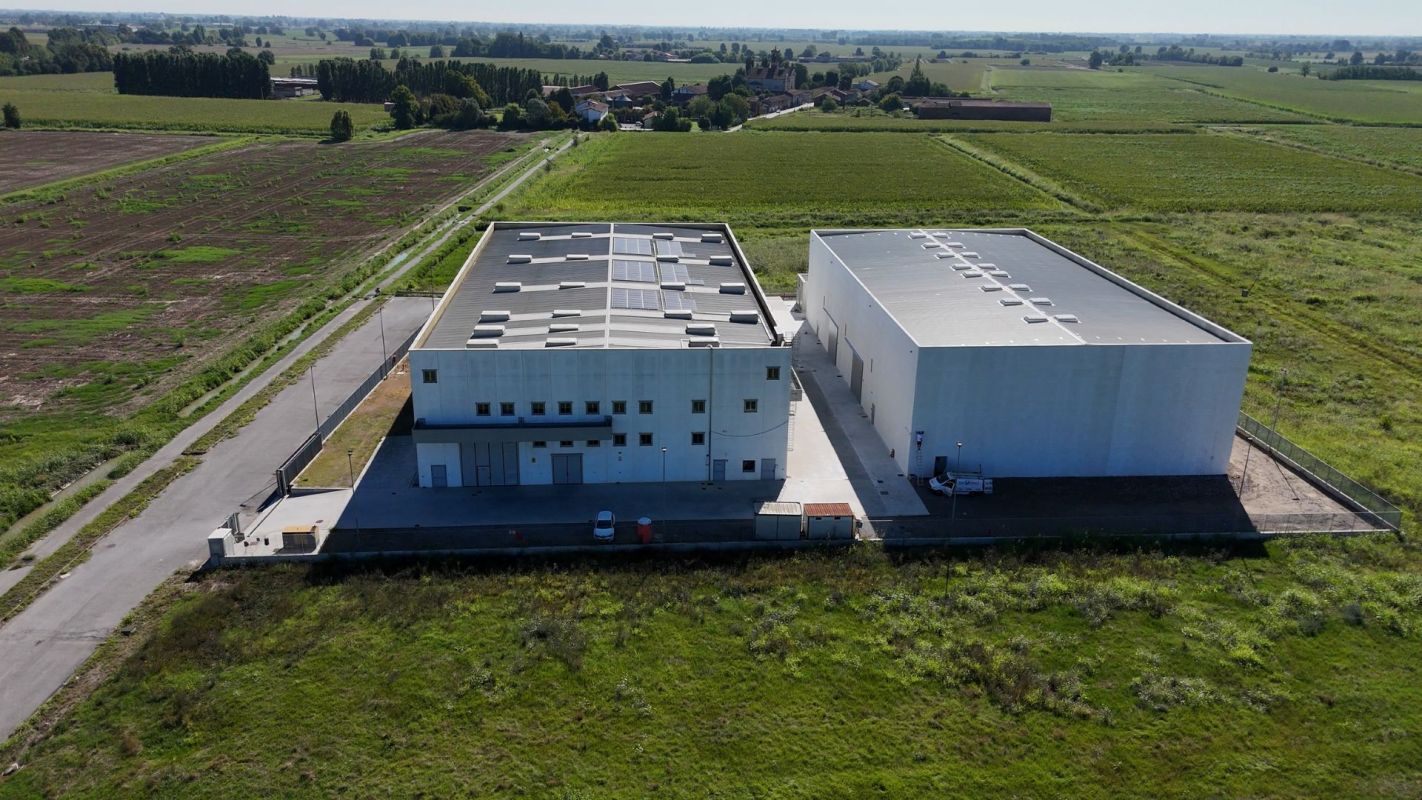
As data centers aim to take over the land market in Virginia, one developer was offering homeowners about $4.4 million per acre, according to the National Association of Home Builders.
What's happening?
NAHB cautioned that the land market is tilting toward data center developers, who can easily outbid home builders.
In Virginia, where data center growth is already reshaping local development patterns, that pressure appears especially intense.
Typical land in that Virginia area goes for about $100,000 per acre, making a bid near $4.4 million per acre an extreme outlier.
NAHB warned that offers at that level are "nowhere close" to what the actual market for land parcels looks like.
For communities planning future growth, people are concerned about where data centers are built and if there's still room for new housing once they're constructed.
TCD Picks » Quince Spotlight
💡These best-sellers from Quince deliver affordable, sustainable luxury for all




Why does it matter?
When homebuilders and developers get priced out of buildable land, the effects can quickly reach everyday people.
Fewer homes can mean tighter supply and higher home prices. Of course, about 10% of homes are vacant in the U.S., but that's an environmental conversation for another time.
Regardless, in fast-growing regions, competition for land can help determine whether communities add neighborhoods, offices, or server farms.
There is also a direct connection between data centers, AI, and the electric grid.
Data centers power the cloud computing systems behind AI tools, and predictive AI can provide real benefits, including helping utilities forecast demand.
However, these facilities also consume enormous amounts of electricity and water, potentially putting pressure on local grids, raising costs, and creating unintended societal risks when growth outpaces planning.
"Local governments are no longer just deciding where to put data centers," the NAHB piece stated. "They are deciding whether residential development can compete for land and grid capacity at all."
What's being done?
NAHB noted that it isn't aware of any lawsuits between data center developers and home builders at this point in time.
Much of the response has instead unfolded through local planning debates, zoning decisions, and public meetings. Residents and nearby communities have led much of that pushback. They do so with the knowledge that large data center projects could reshape neighborhoods, strain infrastructure, and limit future housing development.

Get TCD's free newsletters for easy tips, smart advice, and a chance to earn $5,000 toward home upgrades. To see more stories like this one, change your Google preferences here.






