


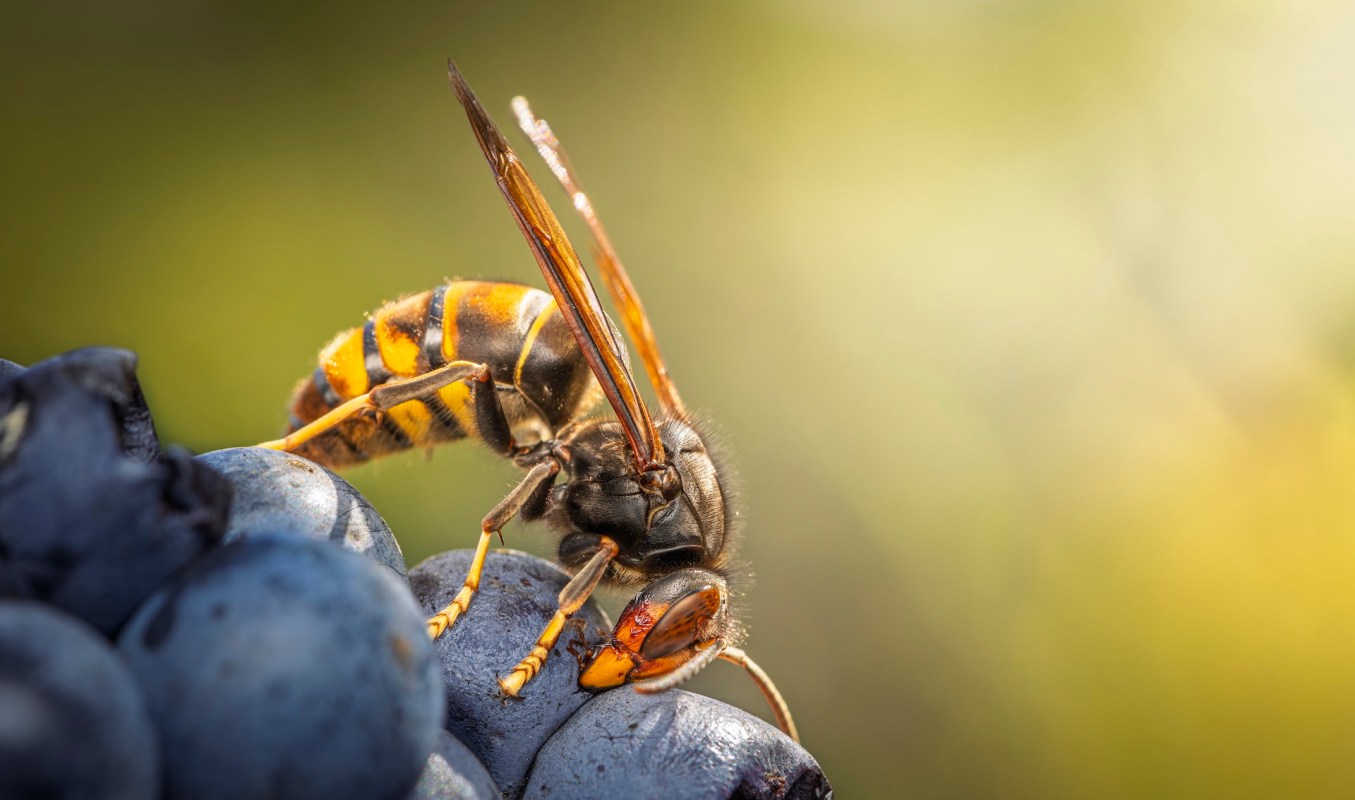
Warnings are spreading across the region after a North Carolina homeowner spotted unusual hornet activity near a hummingbird feeder.
That report led state officials to confirm North Carolina's first established yellow-legged hornet presence, giving the invasive species a concerning foothold in a place where bees and the people who depend on them are already facing strain.
What happened?
According to WCNC, the hornets were found at a residence in Union County near Charlotte after a homeowner flagged the unusual activity. North Carolina agriculture officials said it is the first time the invasive yellow-legged hornet has been confirmed as established in the state.
Confirmed activity in the region had been limited to areas closer to Savannah and Charleston in South Carolina. The North Carolina finding indicates the species is reaching farther across the Southeast than previous records had shown.
Officials are asking both residents and beekeepers to stay alert for the hornets. The insects are known for a distinctive method of attacking bees, and their nests stand out for their large size and reddish, muddy look.
Why does it matter?
Yellow-legged hornets are more than an unusual backyard nuisance. They prey on bees, including honeybees, which play a critical role in pollinating crops, gardens, and native plants.
TCD Picks » Quince Spotlight
💡These best-sellers from Quince deliver affordable, sustainable luxury for all




When pollinators face added pressure, the effects can ripple through local food systems and ecosystems alike. The problem could reach well beyond beekeepers.
Home gardeners, farmers, and anyone who depends on healthy flowering plants and crop production could feel the impact if the hornets continue to spread and bee populations come under greater stress.
What's being done?
With the species established in the state, agriculture officials are telling beekeepers to watch closely for any sign of the hornets, WCNC reported. Spotting them early is especially important while their presence is relatively new in the area.
Officials asked residents to pay attention to unusual insect activity near feeders, gardens, and beehives. Large reddish-brown nests or hornets lingering around bees could be a sign that officials need to investigate.
Officials said reporting suspicious sightings to state agriculture authorities can help experts track the insects and respond before populations grow further.
Beekeepers may need to monitor apiaries more closely for the hornets' predatory behavior. Because the species can target bees directly, quick reporting and a coordinated response could help limit damage to pollinators and reduce the chance of wider spread.
Part of that warning focuses on the hornets' distinctive "hawking-like behavior" and on nests that can grow from the size of a volleyball to as big as the bed of a pickup truck.

Get TCD's free newsletters for easy tips, smart advice, and a chance to earn $5,000 toward home upgrades. To see more stories like this one, change your Google preferences here.






