


Triple-digit temperatures across California have health officials stressing a basic precaution: Make sure your older relatives are OK, and protect pets from the heat.
With temperatures rapidly climbing across the state, even routine outdoor activity can quickly become dangerous.
What's happening?
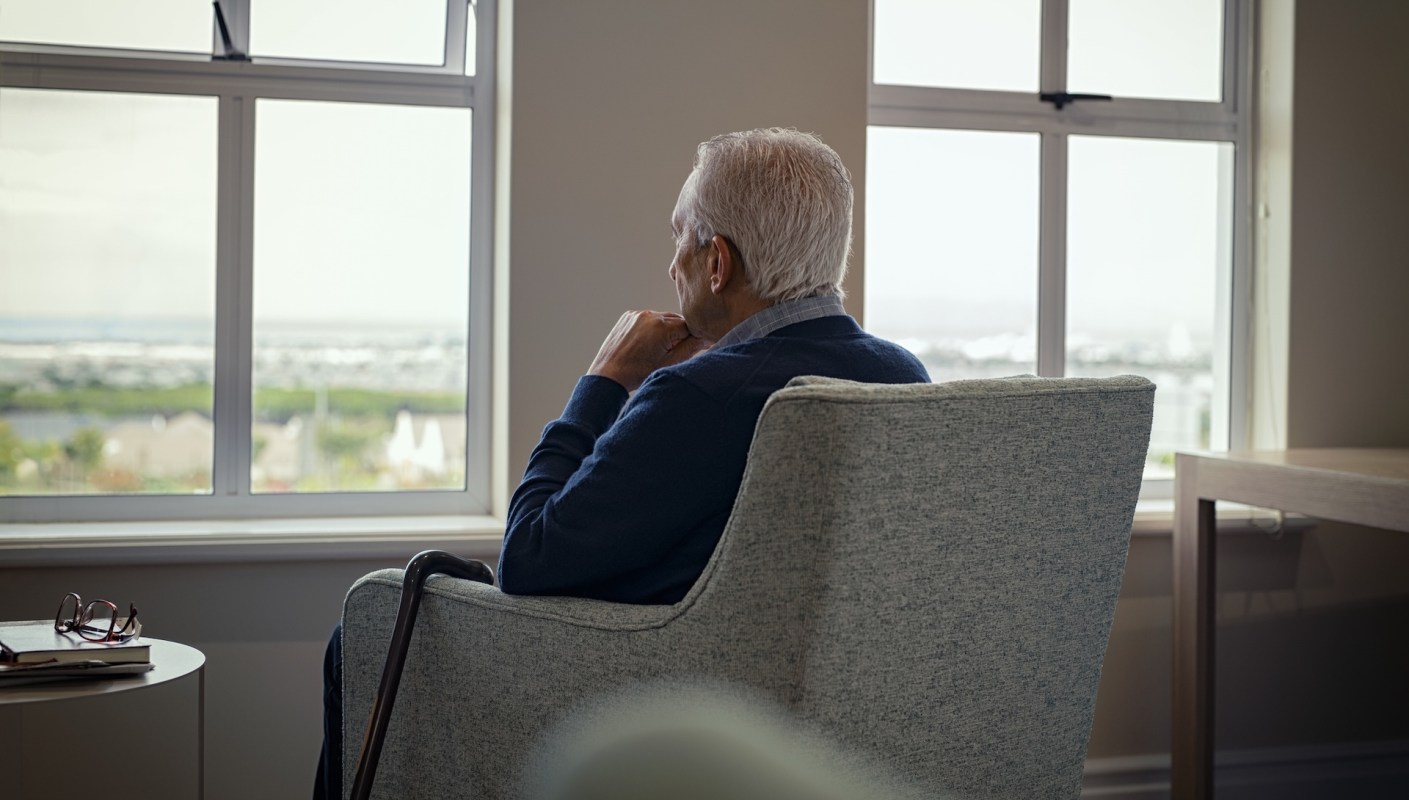
In Central California, officials said the heat was especially hazardous for seniors, including those whose medications may affect how their bodies handle high temperatures.
As ABC30 reported, the heat was affecting millions of Californians.
"The elderly population does not respond well to heat. They lose their ability to be able to control their own body temperature," Mato Parker, the emergency medical services coordinator for Central California's Department of Public Health, told ABC 30. He noted older adults should be checked on at least twice a day once temperatures rise above 100 degrees Fahrenheit.
"Body temperature changes, whether it's from heat-related illness or fever, can change how medications work," Parker added. "And so, that's going to be really, really important to pay attention to that."
TCD Picks » Quince Spotlight
💡These best-sellers from Quince deliver affordable, sustainable luxury for all




Animals face similar dangers, prompting veterinarians and other pet professionals to advise Californians to reduce pets' exposure to extreme temperatures.
Walks and bathroom breaks should be moved to cooler hours, and outdoor time should be limited when temperatures are high. Indoor alternatives can help pets burn off energy without overheating.
Why does it matter?
In the United States and elsewhere, extreme heat is the deadliest form of weather because it can quietly overwhelm the body before people realize they are in danger.
Older adults are especially vulnerable, as the body becomes less efficient at regulating temperature with age, and dehydration or heat illness can escalate quickly.
And for families and communities already facing high housing and energy costs, staying safe during a heat wave can also be an economic burden.
More intense heat waves can increase emergency room visits, strain caregivers, raise utility bills, disrupt outdoor work, and put pets and service animals at risk, too.

Get TCD's free newsletters for easy tips, smart advice, and a chance to earn $5,000 toward home upgrades. To see more stories like this one, change your Google preferences here.






