


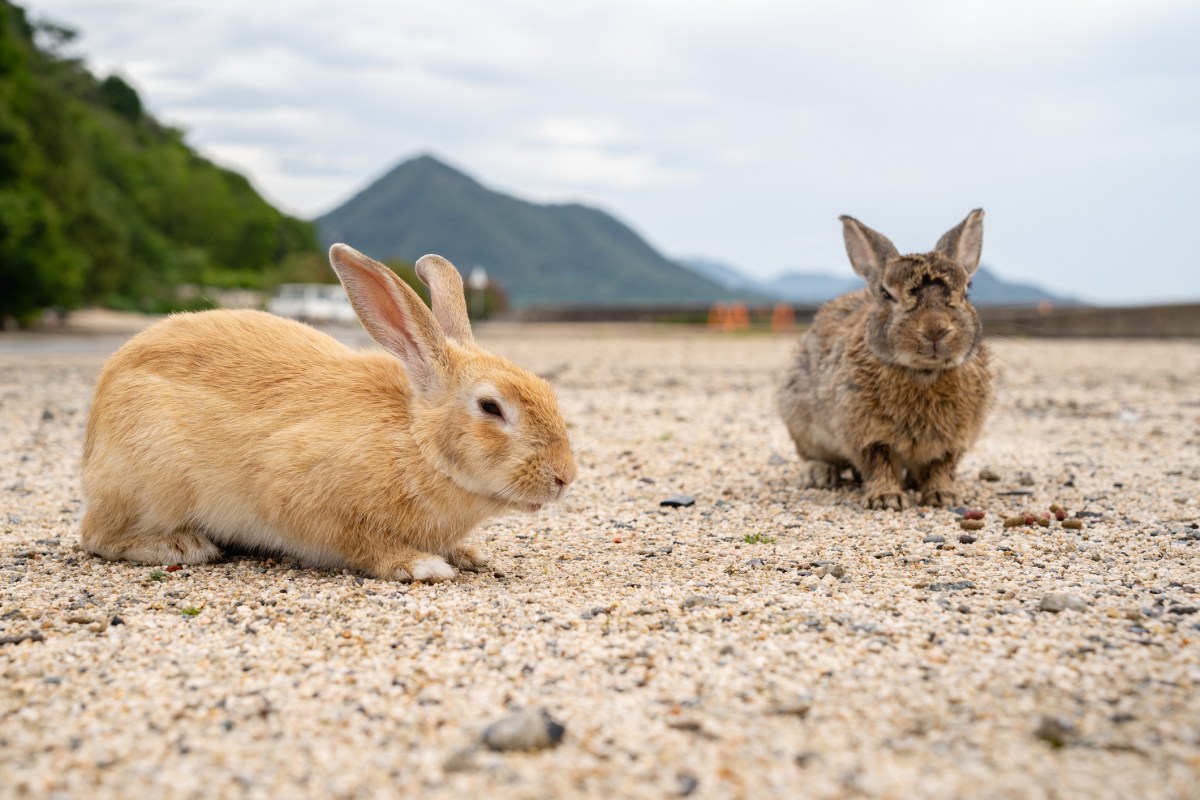
Tourists visit Japan's famous rabbit island, Okunoshima, for photos and close-up animal encounters, but a new study suggests the food they leave behind may be changing the island's food web, Popular Science reported.
What's happening?
Tourist feeding is a regular feature of life on Okunoshima, a Hiroshima Prefecture island known for its free-roaming rabbits. According to Popular Science, researchers believe that steady handouts from visitors may be supporting more rabbits than the island could naturally sustain.
Researchers noted a visible "rabbit line" in some parts of the island, where low branches and vegetation have been stripped away by feeding.
The study, published in the Journal of Ecotourism, also found that wild boars, crows, and black kites are eating discarded rabbit feed and remains.
"When we first heard that a wild boar had preyed on a live rabbit, we were surprised," Shingo Kaneko, a study co-author and Fukushima University ecologist, said in a statement republished by Phys.org. "Wild boars are known to scavenge animal carcasses, but they are not generally regarded as animals that actively hunt live prey."
Why does it matter?
The findings show how a steady food supply from humans can ripple through a habitat, changing animal behavior, population levels, and predator-prey relationships.
TCD Picks » Quince Spotlight
💡These best-sellers from Quince deliver affordable, sustainable luxury for all




If animals become dependent on tourists or are pushed into unnatural contact with other species, local officials may be left dealing with higher management costs, damaged vegetation, and a less stable environment for both wildlife and visitors.
What's being done?
According to the study authors, tourism built around feeding wildlife is affecting several parts of Okunoshima's ecology at once.
"Food left by tourists may be attracting wild boars into the areas heavily populated by rabbits. High rabbit densities may increase the availability of rabbit carcasses and may also lead to frequent encounters between the two species," explained Kaneko.
To reduce the risk of further disruption, the researchers recommend tighter rules on feeding, ongoing monitoring of rabbit numbers, and vegetation studies. They also say educating both tourists and public officials could help create stronger protections for the island's wildlife.
As Kaneko put it, "We were struck by how closely wild boars, rabbits, and humans were interacting on the island. Within this isolated environment, events unlike those we usually observe elsewhere appeared to be occurring throughout the island."

Get TCD's free newsletters for easy tips, smart advice, and a chance to earn $5,000 toward home upgrades. To see more stories like this one, change your Google preferences here.






