


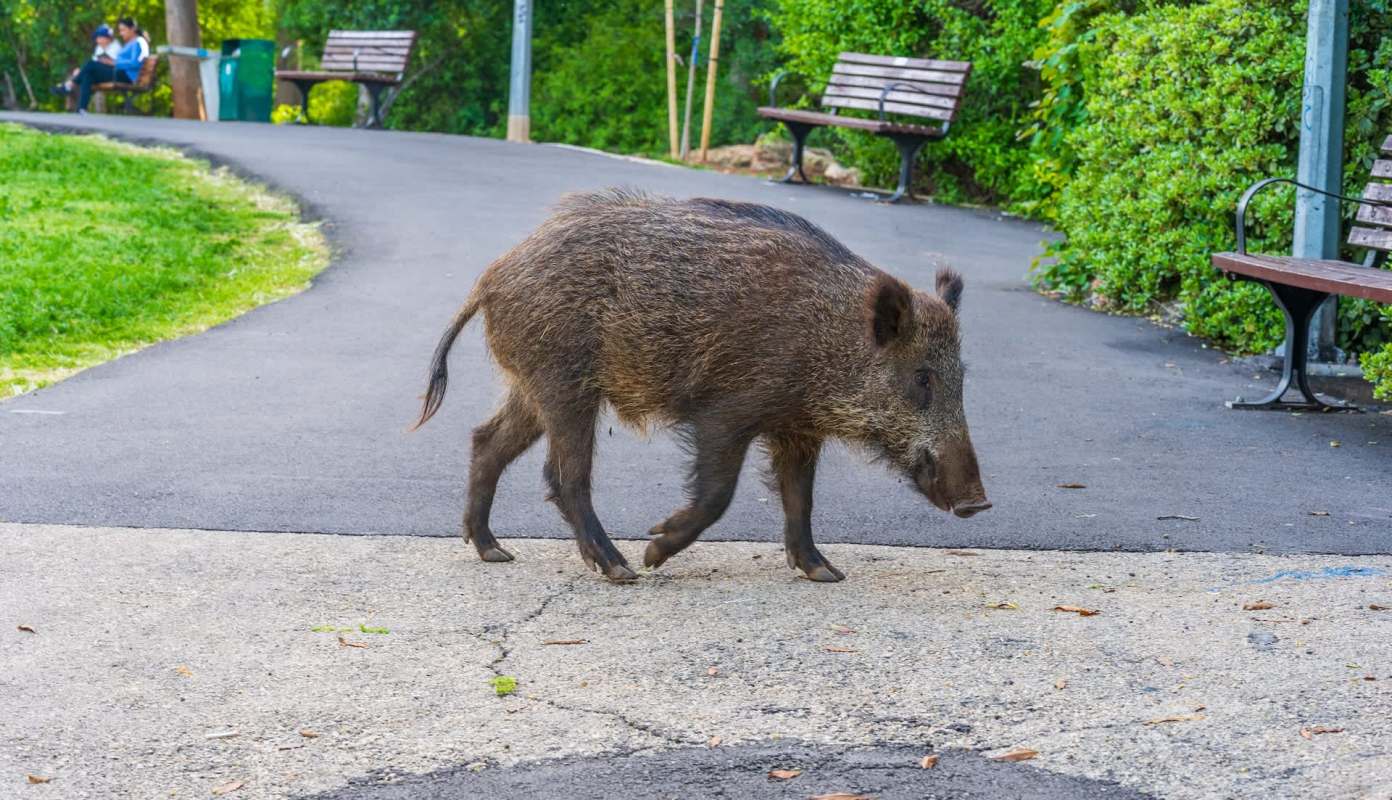
A wild boar crashing into a school-lunch factory before dawn may sound like the start of a thriller, but it was a real emergency in Toyota, Japan. It highlighted a growing problem: dangerous encounters between wildlife and humans are becoming harder to dismiss as isolated accidents.
What happened?
According to The Daily Beast, the roughly 120-pound boar moved through Toyota, attacking workers and people nearby in several incidents that played out within minutes.
Surveillance footage reportedly captured a two-and-a-half-minute confrontation at a school-lunch preparation factory shortly after 5:30 a.m. During it, a 64-year-old worker was knocked to the ground while trying to fend off the animal with a shopping bag and a plastic container, before another worker ran over with a metal cart. The boar eventually backed away.
However, the boar kept moving. By the time police and firefighters boxed it in, it had also attacked a cyclist near a road crossing and an octogenarian at another factory about 800 yards away. And, unfortunately, the animal died there.
The episode also fits into a broader trend in Japan. The Daily Beast noted that bears remain Japan's most lethal wildlife danger, even as boar-related attacks continue to rise. More than 670 people in Japan have been attacked since 2016, and last year's 94 cases set a new annual high.
Why is it important?
As cities expand, landscapes shift, and food sources change, wild animals are more likely to wander onto roads, into industrial sites, and through residential neighborhoods, BBC Future explained.
TCD Picks » Quince Spotlight
💡These best-sellers from Quince deliver affordable, sustainable luxury for all




Early-shift workers, cyclists, older adults, and others moving through public areas can be at risk when an animal becomes stressed, disoriented, or desperate for food.
In this incident, four people were hospitalized during the morning commute and work shift.
What's being done?
Emergency crews stopped the attack and kept it from spreading further.
Reducing these encounters typically requires a mix of public safety measures and habitat management. Communities often rely on wildlife monitoring, warning systems, fencing, and efforts to limit easy food access near human activity, including unsecured trash or food waste that can attract animals into populated areas.
When wildlife is pushed closer to human routines, factory shifts, bike rides, and morning deliveries can turn dangerous with little warning.

Get TCD's free newsletters for easy tips, smart advice, and a chance to earn $5,000 toward home upgrades. To see more stories like this one, change your Google preferences here.







