


After the Environmental Protection Agency canceled Solar for All grants, several clean energy nonprofits sued the agency in federal court, intensifying a dispute over billions of dollars intended to help households get lower-cost solar power.
The lawsuits argue that the cuts did more than halt spending on cleaner energy technologies. They also disrupted planned savings, grid resilience, and workforce opportunities for communities that had been counting on the program.
What happened?
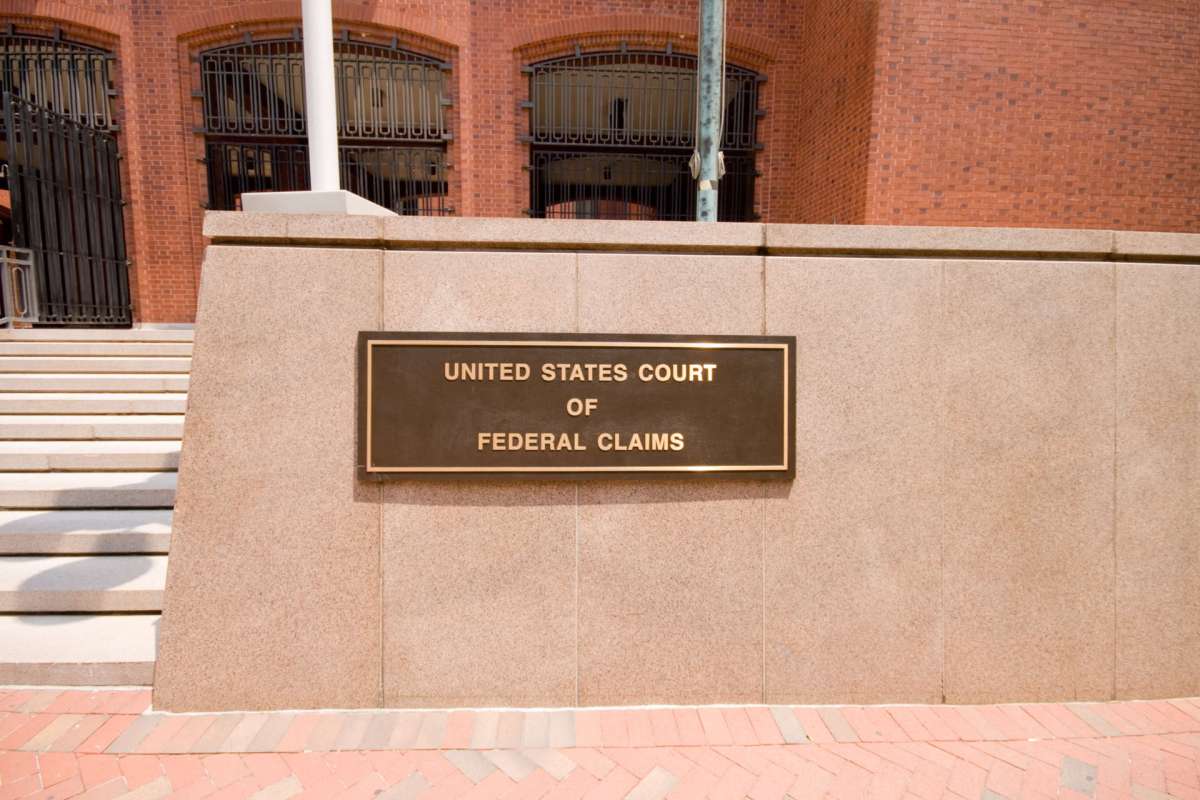
As PV Magazine detailed, Growth Opportunity Partners, Inclusive Prosperity Capital, and the Center for Rural Affairs have brought claims to the U.S. Court of Federal Claims in Washington, D.C., alleging that the Environmental Protection Agency improperly ended grant agreements tied to the $7 billion Solar for All program.
The legal fight follows passage of the "One Big Beautiful Bill Act" on July 4, 2025. The nonprofits said Congress authorized the EPA to pull back only uncommitted funds from the Greenhouse Gas Reduction Fund, not grants that had already been committed.
They have contended that most Solar for All money had already been obligated. Growth Opportunity Partners disclosed a $156 million award in April 2024, and Inclusive Prosperity Capital said its $249.3 million grant was meant to support work in 46 states, Washington, D.C., and Puerto Rico.
Before the EPA suspended access to the money, the Nebraska-based Center for Rural Affairs said its $62.45 million award was set to back residential and community solar for low-income households.
Why does it matter?
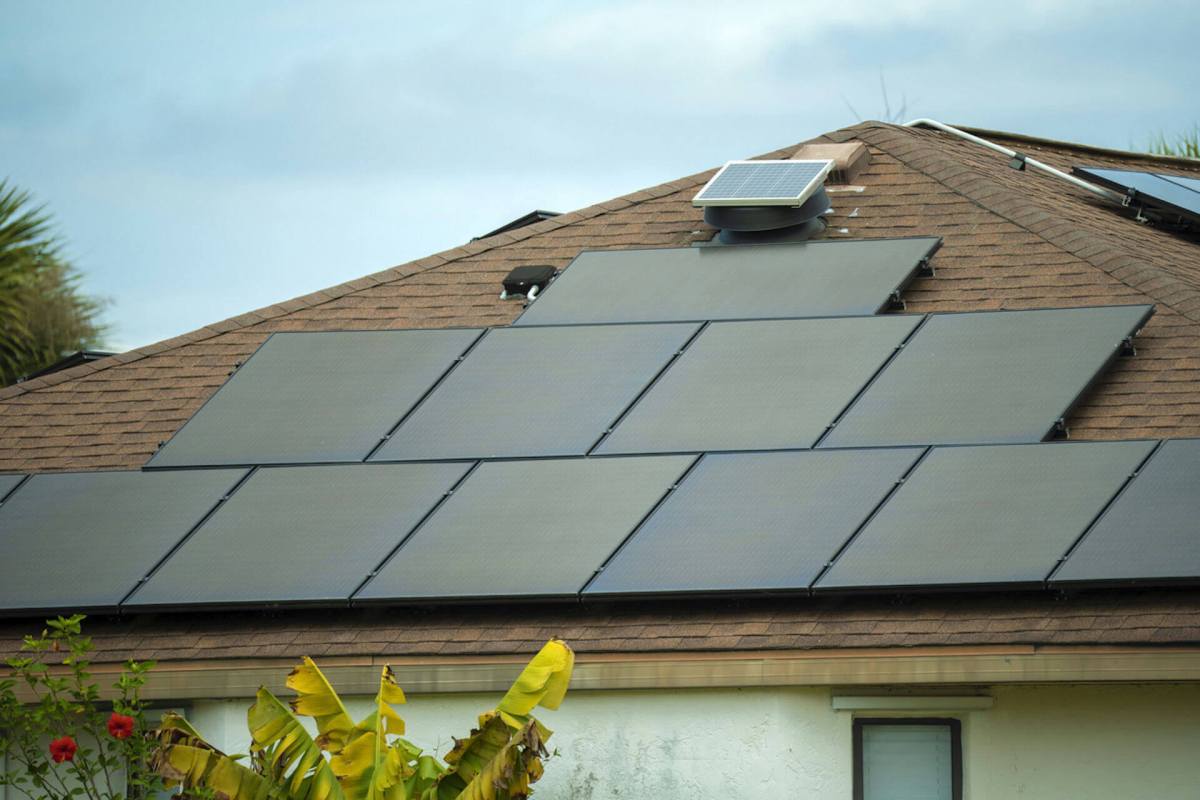
Solar for All was designed to bring the benefits of rooftop and community solar to people who are often shut out, including low-income families, renters, and rural communities. The program was intended to lower utility bills and support more reliable local energy systems.
The fallout could be especially serious in places where energy access is already limited. In a separate Rhode Island lawsuit, advocates pointed to the Hopi reservation, where L4GG said that distributed solar may be the only practical route to dependable power and that nearly 35% of homes there lack electricity.
Save $10,000 on solar panels without even sharing your phone number Want to go solar but not sure who to trust? EnergySage has your back with free and transparent quotes from fully vetted providers that can help you save as much as $10k on installation. To get started, just answer a few questions about your home — no phone number required. Within a day or two, EnergySage will email you the best local options for your needs, and their expert advisers can help you compare quotes and pick a winner. |

The cancellations also reach beyond monthly power bills. Programs tied to the grants included technical assistance, community projects, and workforce development.
What's being done?
These claims are part of a growing legal push against the EPA's actions. Other challenges have come from labor groups, the Hopi Tribal Council, solar businesses, state governments including Colorado, and the Virginia Department of Energy, while Harris County, Texas, is also seeking reinstatement of its Solar for All funding.
Going solar is one of the best ways to save money on home energy. If you're curious about what that could look like for your home, you can use EnergySage to get quick solar installation estimates and compare quotes for free.
With EnergySage's help, the average person can save up to $10,000 on solar purchases and installations. EnergySage's solar map shows the average cost of a home solar panel system by location, along with solar panel incentives for each state, helping customers to get the best price for rooftop solar panels and access available incentives.
More From EnergySage
💡Go deep on the latest news and trends shaping the residential solar landscape


Adding battery storage to a solar setup is one of the best ways to protect your home during outages, save money on energy, and go off-grid. It can also help households keep critical devices running when the grid goes down. You can explore EnergySage for free tools on home battery storage options, including competitive installation estimates.
Brian Depew, executive director of the Center for Rural Affairs, said in a statement that "Nebraskans need this community benefit to be restored," and the program "was designed to provide capital for community and residential solar, technical assistance, and workforce development, extending well beyond the initial grant period."

Get TCD's free newsletters for easy tips, smart advice, and a chance to earn $5,000 toward home upgrades. To see more stories like this one, change your Google preferences here.






