


If you have a home garden, you know how frustrating pests can be when they threaten a hobby that is meant to be rewarding, affordable, and productive. Fortunately, a simple DIY hot pepper spray may offer a budget-friendly way to help protect plants from insects and small animals.
What's happening?
In a short video, the Gardenary YouTube channel featured the recipe involving peppers, castile soap, mint and water.
Gardenary explained, "This all-natural pepper spray keeps away bugs and mammals! I use it to kill leaf mites and repel deer, groundhogs and squirrels."
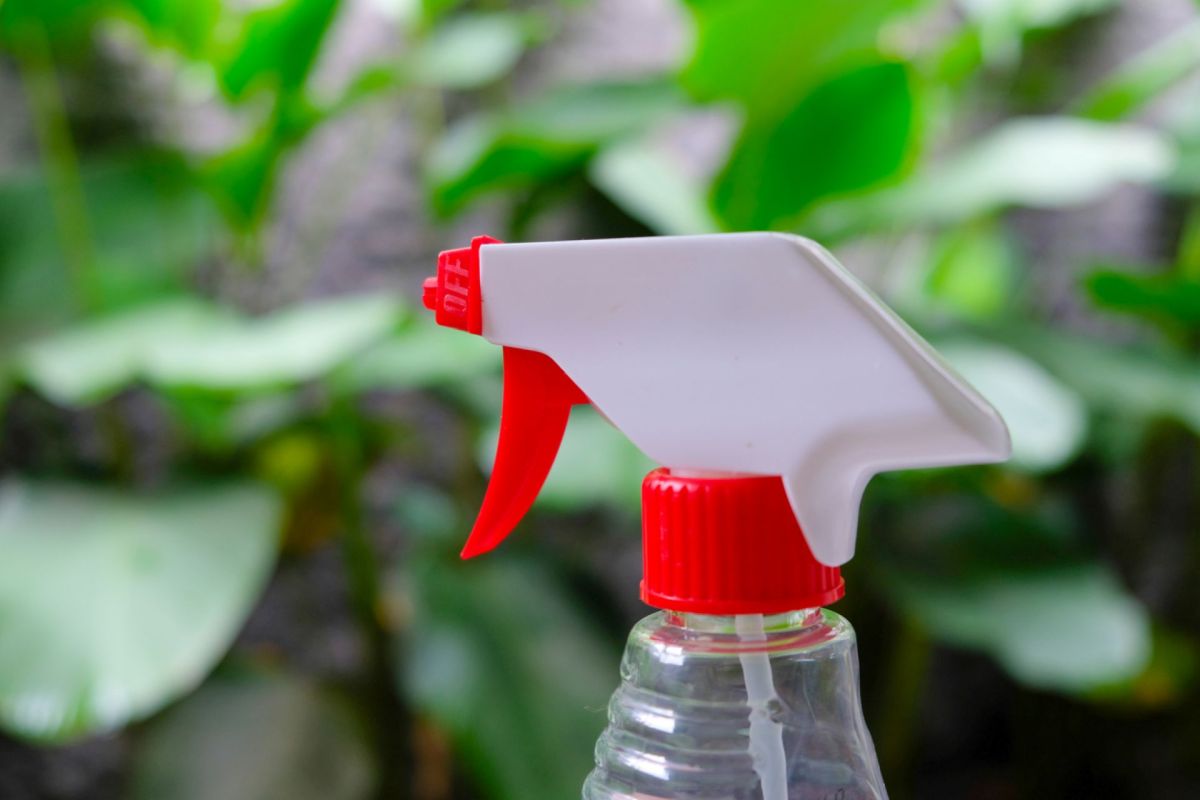
In the clip, the gardener mixes their hottest peppers, the soap, water, and mint in a spray bottle. Once fully combined, they spray a little bit of the homemade spray around the garden.
The video explains that the spray contains capsaicin from the peppers which common garden pests hate. By using it around the garden, it can prevent insects and animals from munching on pantry-favorite produce.
The appeal is easy to see: Home growers often want a cheap, simple spray that can help keep bugs, deer, squirrels, and groundhogs away from edible plants.
TCD Picks » Quince Spotlight
💡These best-sellers from Quince deliver affordable, sustainable luxury for all




Why does it matter?
Pest pressure is one of the biggest barriers to growing food at home. A few damaged leaves can quickly become a much bigger problem when mites spread or animals treat raised beds like an all-you-can-eat buffet.
Growing your own fruits, vegetables, and herbs can help cut grocery costs, especially when produce prices rise. Homegrown food also often tastes better because it can be picked at peak ripeness instead of being shipped long distances.
Gardening gets people outside, encourages regular movement, and can help reduce stress. But when pests wipe out plants, those rewards can disappear along with the crop.
A homemade option like pepper spray offers an alternative to harsher products around the yard, though careful application still matters to avoid harming tender plants or irritating eyes and skin.
What can I do?
If you want to try a method like this, start small.
Try the spray on part of one plant before using it more broadly. A simple test can show if your plant can tolerate the spray and whether or not it will dissuade your local pests.
And, if you do find success with the spray, make sure to wash any harvested produce to avoid tasting any of the remaining heat from the peppers.
Gardeners can also combine DIY sprays with other low-chemical strategies, such as hand-removing pests, using row covers, improving plant spacing for airflow, and choosing pest-resistant varieties.

Get TCD's free newsletters for easy tips, smart advice, and a chance to earn $5,000 toward home upgrades. To see more stories like this one, change your Google preferences here.






