


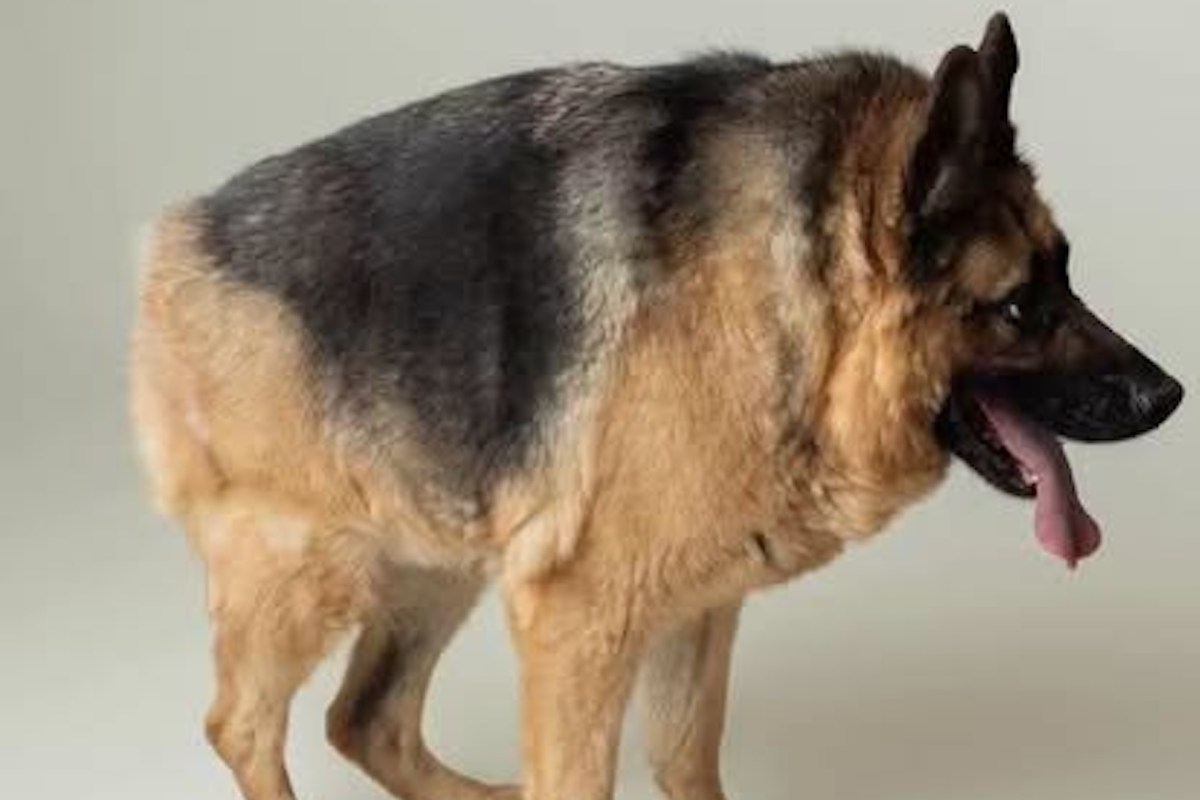
Interest generated by Jimothy, the Seattle raccoon who has brought attention to short spine syndrome by going viral online, is also putting a spotlight on other pets with this condition, including Cooper, a 9-year-old dog in Minnesota.
For a long time, his owner hoped Cooper's story would help other animals with his condition, especially after years in which Cooper's looks caused would-be adopters to pass him by.
What's happening?
Before settling in Minnetonka, Minnesota, Cooper — a 9-year-old American foxhound — had been found wandering as a stray in Virginia. According to USA Today, Elly Keegan, his owner and former rescue volunteer, took him in after a lengthy stretch in which no one adopted him, and her family eventually chose to keep him.
"We actually had him up for adoption for a very, very long time and nobody was interested," Keegan said. "There was not enough awareness about short spine syndrome at that time, so he didn't have a lot of interest."
By July 28, Cooper had 94,000 Facebook followers, turning the once overlooked rescue dog into an adorable advocate for special-needs pets. He has short spine syndrome, a rare condition present at birth in which portions of the vertebrae fail to form normally, leaving affected animals with shortened and often rigid spines.
As of July 28, another well-known animal with the condition, Quasimodo — or Quasi the Great, a German shepherd — had 660,000 Facebook followers.
TCD Picks » Quince Spotlight
💡These best-sellers from Quince deliver affordable, sustainable luxury for all




Yogi and Yoshi, two dogs abandoned before being fostered by animal foster Haley O'Neill, were featured in a 2023 video that earned more than 124,000 likes.
While this condition is predominantly seen in dogs, it has affected cats as well. Kermit, an 8-year-old cat, has attracted a wide Instagram audience.
Why does it matter?
With proper care, animals that look different can still have happy, active lives, and be a loving addition to the family, even though they are often passed over.
Keegan said Cooper requires some accommodations at home, but he still soaks up attention from his human siblings, races around the yard, and will even stand outside in a blizzard.
Emily McKinney, Kermit's owner, said the cat's path followed a similarly unexpected turn. He had been left behind a 7-Eleven as a kitten in 2018, and his prognosis at the start was grim.
"Specialists weren't sure how long he'd be mobile, some even recommending euthanasia, so I committed to giving him the best short life possible," she said, per USA Day.
"I almost named him Slurpee, but the frog appearance was hard to ignore. Kermit quickly stole my heart and the rest is history," she recalled.
Despite doctors' troubling outlook toward his future, Kermit is living a long and happy life with his owner.
"Eight years later, he's still zooming up and down the stairs daily," she said.
What's being done?
Caregivers and researchers alike are trying to reduce the challenges that come with the condition.
Cooper and Quasi are both fed from raised bowls so they do not have to bend uncomfortably, and Cooper stays off abrasive pavement because, as USA Today reported, his back feet turn inward when he walks.
Quasi's owner, Teri Woolard, has also been re-landscaping part of her yard so the older dog can walk through it more easily.
Keegan said Cooper's online presence has produced tangible results. Through that visibility, she has helped four animals with short spine syndrome find homes, including one dog from Poland that is now in Florida.
Scientific work on the condition is moving ahead as well. USA Today reported that researchers at the University of California, Davis School of Veterinary Medicine found evidence suggesting mutations in the DLL3 protein may be involved, and animals with this condition may also have other health problems such as Type 1 diabetes, although it's rare in dogs.
Kari Ekenstedt, whom USA Today identified as an associate professor at Purdue University's veterinary college, said she has examined about 24 dogs with short spine syndrome and believes the label may cover more variation than people assume.
"When you look at the dogs, you kind of think they all have the same thing," Ekenstedt told USA Today. "They've all been lumped together as short spine dogs, but I can tell you clinically some of them have some additional life challenges or anatomical challenges."
For Keegan, that advocacy has personal meaning; she said sharing Cooper's story is "an extremely rewarding thing to ... help others learn about his condition."

Get TCD's free newsletters for easy tips, smart advice, and a chance to earn $5,000 toward home upgrades. To see more stories like this one, change your Google preferences here.






