


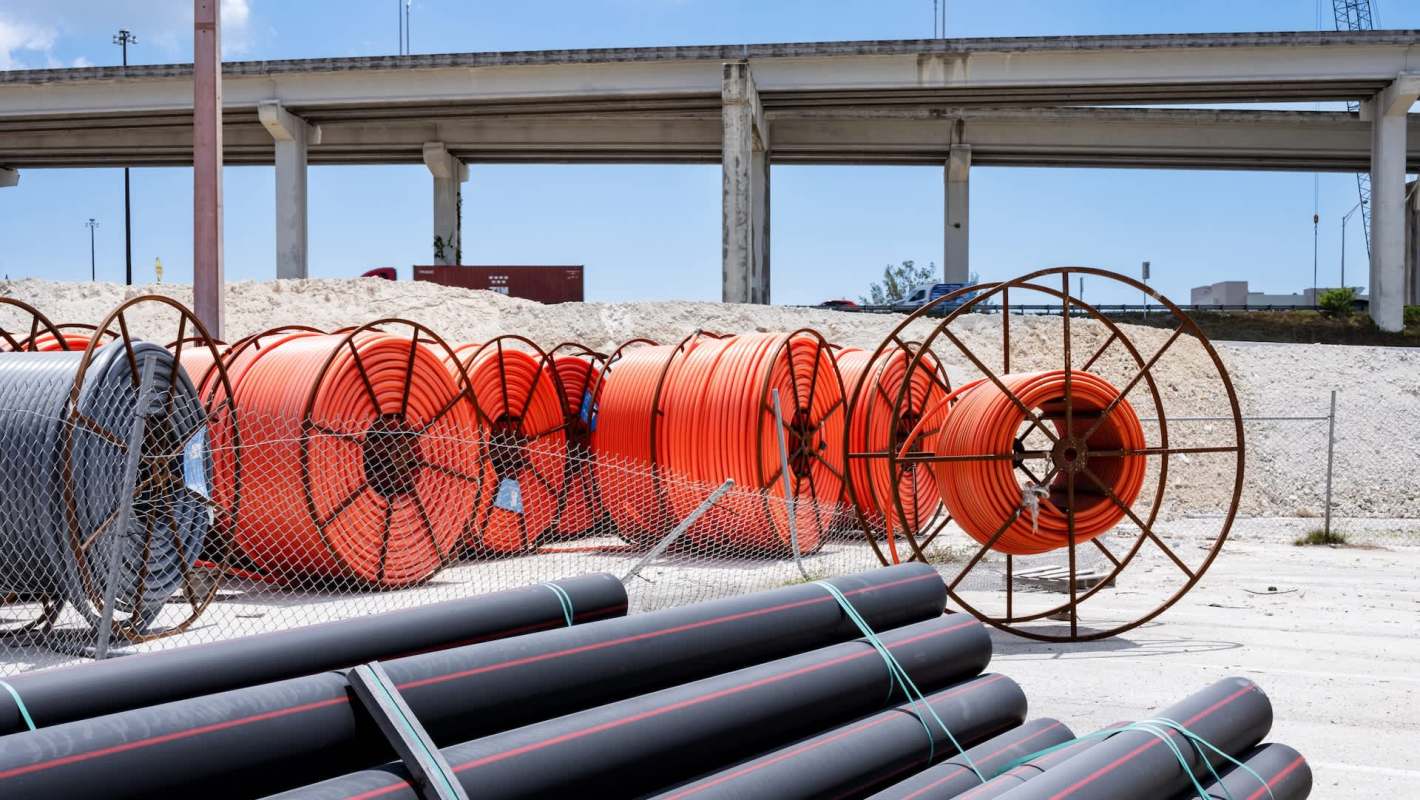
Near an industrial area in Coffeyville, Kansas, stacks of fiber-optic cable are fueling concern that proposed AI-related data center development could put pressure on local environmental resources.
A Kansas-based content creator is using on-the-ground updates to argue that local residents should pay close attention before large industrial projects reshape an agriculture-centered community.
What's happening?
Posting from Coffeyville, Parker Thompson (@Parkrone) highlighted the materials accumulating by the industrial zone and wrote, "While Big Tech prepares to lay miles of fiber and draw millions of gallons of water, Kansas farmers are facing real resource deprivation in a state built on agriculture."
In the video, Thompson argued that hyperscale data centers can take over hundreds of acres of farmland and depend heavily on evaporative cooling that uses large amounts of water.
Thompson also said Kansas water law gives agricultural water rights precedence over industrial growth.
The creator framed the dispute as one in which "unvetted industrial deals put corporate server cooling ahead of local food" production and urged residents to support a legal moratorium in Coffeyville.
TCD Picks » Quince Spotlight
💡These best-sellers from Quince deliver affordable, sustainable luxury for all




One commenter wrote, "I signed! Kansas does not need anything else draining the water table! Especially not AI junk!"
Why is this action important?
For communities like Coffeyville, the debate is about land use, water access, and people-centered action.
AI is increasingly tied to the energy grid because data centers require enormous amounts of electricity to run servers around the clock and power cooling systems. That demand can help spur investment in smarter energy management, and AI itself may help optimize clean energy systems.
At the same time, this buildout can add strain to local grids. It can increase water demand and fuel concerns about higher utility costs. It could even increase security risks and unintended social consequences if development moves faster than oversight.
Seeing cable and other site supplies show up before residents feel fully informed can reinforce the belief that local governments are directing resources toward corporate expansion without enough transparency.
What can I do?
Rather than asking people to accept the project as it develops, Thompson is advocating for a pause.
In the video, that meant calling for a legal moratorium so residents can weigh the land, water, and infrastructure trade-offs before major projects move forward.
Thompson concluded, "We cannot let industrial expansion compromise Coffeyville's land, water, and agricultural heritage."

Get TCD's free newsletters for easy tips, smart advice, and a chance to earn $5,000 toward home upgrades. To see more stories like this one, change your Google preferences here.






