


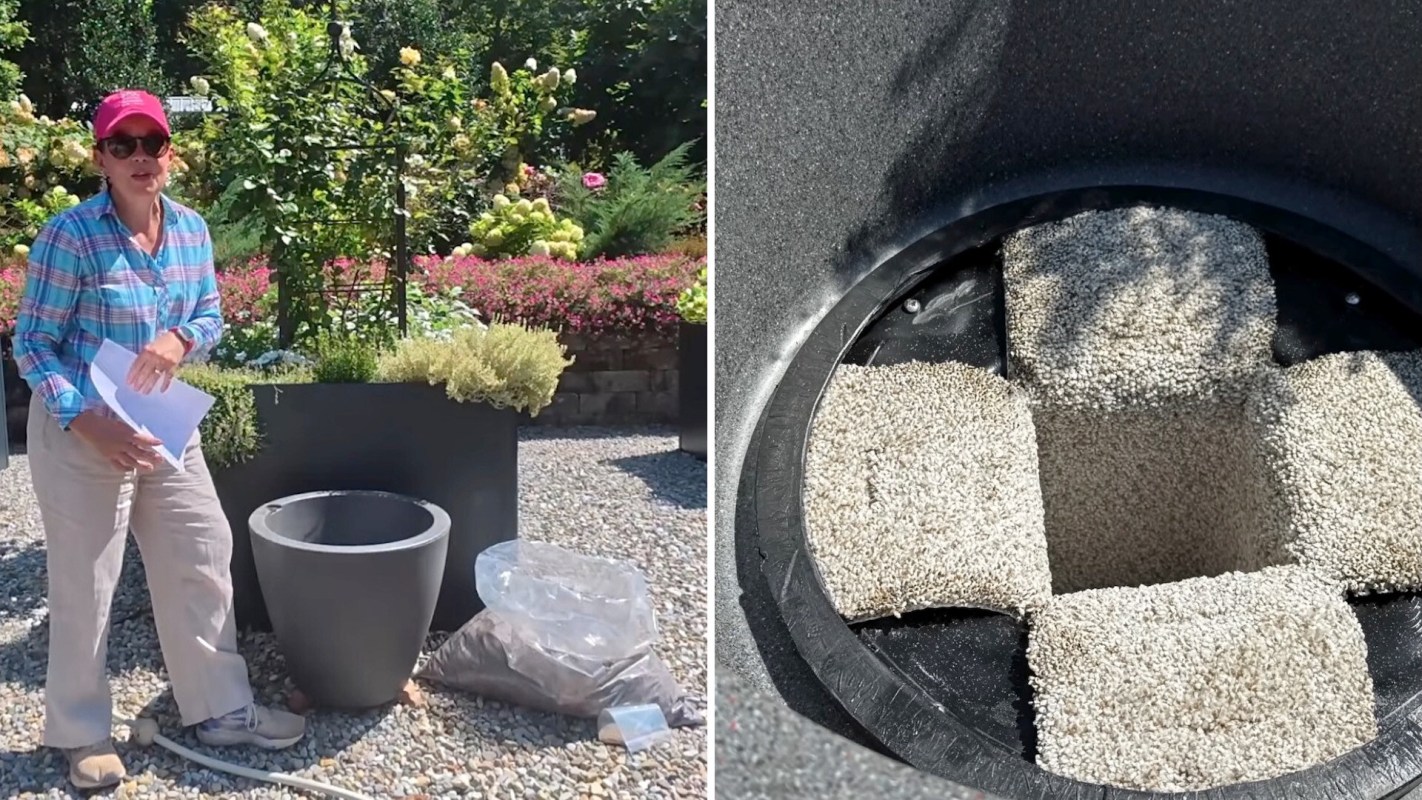
A North Carolina gardener is showing how a little late-summer planning can turn a tired yard into a colorful fall display — without a lot of extra watering.
An Aug. 1 YouTube garden walkthrough from Gardening with Creekside (@GardeningwithCreekside) focused on two late-season jobs: putting together a self-watering planter for hot-weather color and freshening up existing beds so stressed plants can rebound for fall.
What happened?
Even with North Carolina still stuck in hot, humid weather, the creator said she is already getting her garden ready for the next season.
That preparation included planting a new Earth Planter self-watering container with annuals selected to handle late-summer heat while still delivering red, yellow, and burgundy tones associated with fall.
The creator said the idea is "a really fun little trick" for gardeners in warm areas who want an autumn look before temperatures actually drop.
The container mix featured ornamental grass, coleus, portulaca, and Texas primrose, chosen for both durability and color.
TCD Picks » Quince Spotlight
💡These best-sellers from Quince deliver affordable, sustainable luxury for all




The creator also spent time cleaning up Hydrangea Hill, where she cut back Supertunia Mini Vista Hot Pink, refreshed gaura, trimmed Montana Moss junipers, removed old butterfly bush blooms, and applied slow-release fertilizer to push fresh growth.
One viewer wrote, "95-99 degrees and humid in Houston for the foreseeable future, I get out in the evening to water when it's 90, no relief!"
Why does it matter?
For many gardeners, late summer is when beds start to look worn out, and watering demands feel relentless.
A self-watering planter can help ease that burden by holding a reservoir of water and delivering more consistent moisture to roots, which may help plants get through heat waves with less stress.
Gardening can support mental and physical health by encouraging time outdoors, movement, and stress relief.
It can also save households money, especially when people expand from ornamental beds into herbs, vegetables, and fruits that often taste fresher and better than store-bought produce.
Gardeners often set themselves up for a better fall display by acting before the season arrives.
Well-timed pruning, deadheading, and fertilizing can encourage another round of foliage and flowers instead of leaving plants to fade through the end of summer.
As another commenter put it, "Thanks for sharing your knowledge with us to keep our gardens in check and looking fresh."
What can I do?
Home gardeners do not need a full landscape overhaul to use this strategy.
A single container can make a big visual impact, especially if it combines heat-tolerant plants with rich seasonal colors.
If you use a self-watering planter, pay close attention to the setup instructions, since the wrong soil mix can interfere with the wicking system.
You can also adapt the maintenance approach by trimming back overgrown annuals, clearing spent blooms, and applying slow-release fertilizer before rain if you can.
That kind of cleanup can set plants up for a stronger second act.
The creator summed up the strategy best: "A little sweat equity now can pay off beautifully this fall."

Get TCD's free newsletters for easy tips, smart advice, and a chance to earn $5,000 toward home upgrades. To see more stories like this one, change your Google preferences here.






