


Utility costs may become the next affordability pressure for Washington households already grappling with high housing prices and rising day-to-day expenses.
State officials are contesting Puget Sound Energy's plan to increase electric and gas rates over the next three years, saying customers would be asked to take on too much.
What's happening?
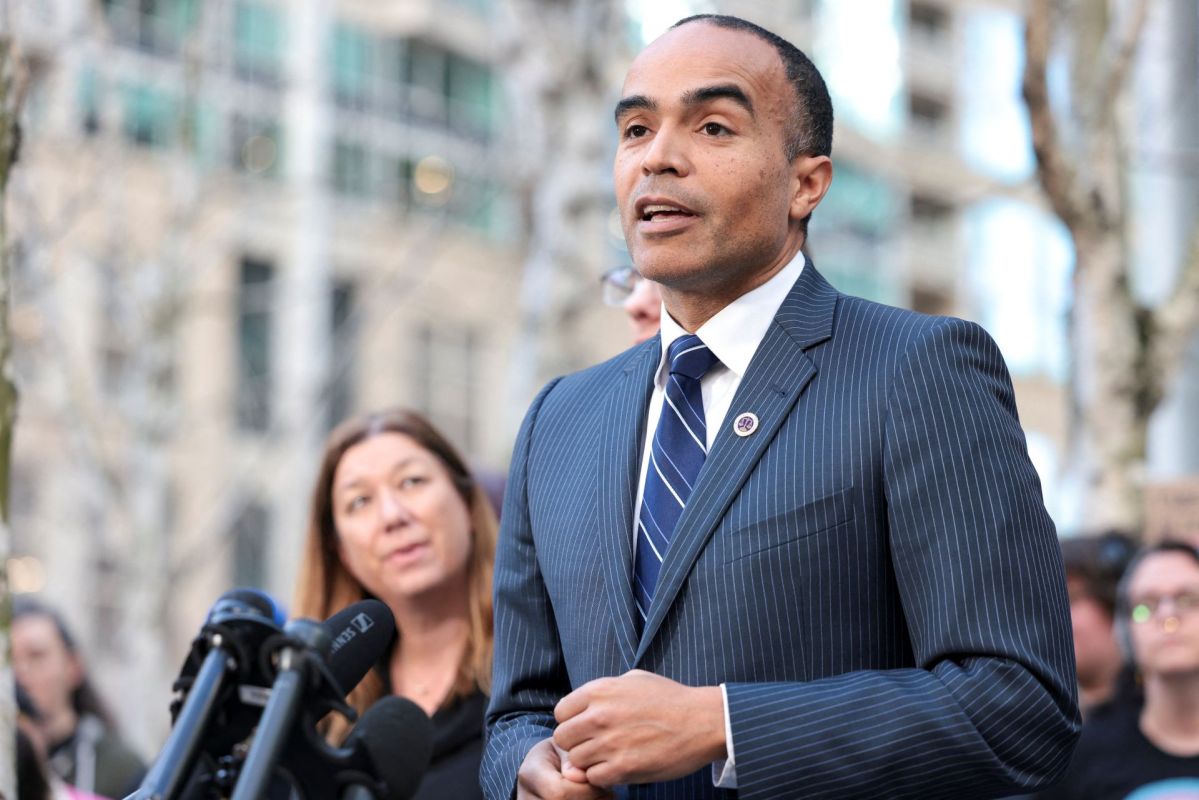
According to KOMO News, Washington Attorney General Nick Brown has opposed Puget Sound Energy's proposal to raise electric rates by 29% and natural gas rates by 20% over three years, arguing the hikes exceed what customers should reasonably have to pay.
That challenge was formally submitted on July 28 in testimony to the Washington Utilities and Transportation Commission.
Puget Sound Energy is a private, for-profit monopoly utility in western Washington that serves about 1.2 million electric customers and 900,000 gas customers, and the UTC must decide whether its request is "fair, just, and reasonable" and in the public interest.
If approved, the proposal would begin with a 17% electric rate increase in January 2027 — about $28.31 more per month for the average household — along with a 13% gas increase, or roughly $13.63 more per month.
TCD Picks » Quince Spotlight
💡These best-sellers from Quince deliver affordable, sustainable luxury for all




By 2029, the attorney general's office said, average yearly costs could rise by $606.96 for electricity and $263.52 for gas.
Why does it matter?
Brown's office said Puget Sound Energy would collect an additional $3.396 billion from customers over three years under the proposal at a time when many households are already struggling to keep up with housing costs and other essentials.
The filing argued that customers should not be forced to absorb costs tied to shareholder returns, executive compensation, marketing, lobbying, and other spending that is not directly necessary to provide utility service.
It pointed to $62.9 million in shareholder dividends paid in 2025 and $175.9 million in 2024, while also noting that the CEO's 2024 compensation totaled $6.4 million.
The attorney general's office also warned that PSE wants customers to bear the full risk of volatile power markets. That would mean households could be required to cover 100% of unexpected power cost spikes on top of the proposed rate increases.
What's being done?
Brown's Public Counsel Unit proposed an alternative approach that it said would ease the burden on customers while still allowing the utility to operate.
The office urged regulators to lower PSE's return on equity so it better reflects the actual cost of capital and to require shareholders to absorb more expenses, including insurance, investor relations, and executive compensation.
The attorney general's office said those changes could save customers as much as $695 million in 2027 alone, with additional savings potentially still to be identified as the case moves forward.
It also pressed the utility to provide more accurate cost projections instead of locking residents into higher charges than necessary.
The UTC will hold an in-person public comment hearing at 6 p.m. on Sept. 29 and a virtual public comment hearing at 6 p.m. on Oct. 7.

Get TCD's free newsletters for easy tips, smart advice, and a chance to earn $5,000 toward home upgrades. To see more stories like this one, change your Google preferences here.






