


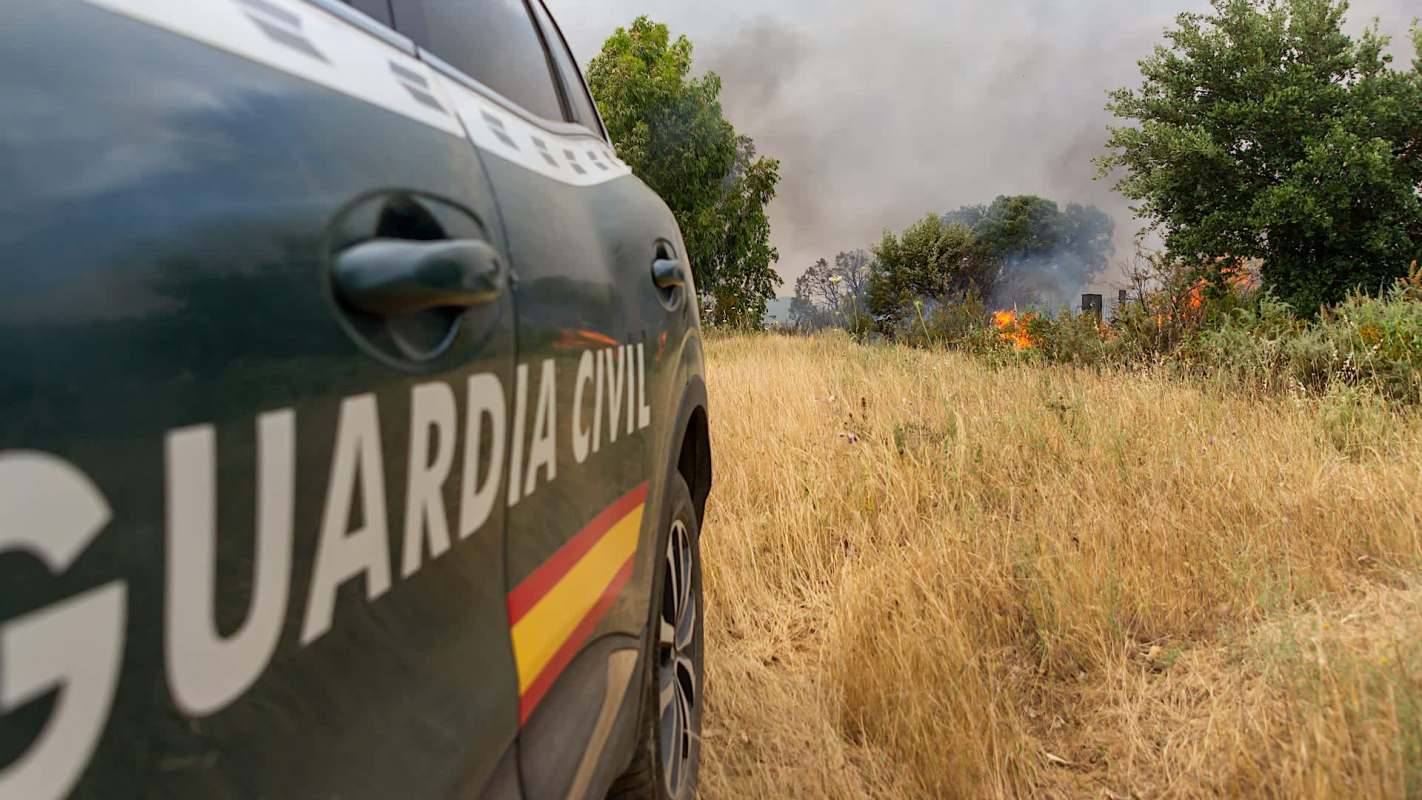
A dog trapped inside an evacuated home in Spain managed to survive for four days alone as wildfire flames tore through Ávila, forcing thousands of residents to flee with little warning.
The animal's rescue by the Guardia Civil offered a rare moment of relief in an otherwise destructive emergency marked by smoke, road closures, and scorched land, as Euro Weekly News reported.
What happened?
As the wildfire spread across the province, evacuation orders gave residents only minutes to leave, and the dog was left behind.
Once the area was sealed off, the family had no safe way to return home.
Fire crews spent four days trying to control the blaze while the house stayed inside a restricted zone. After Guardia Civil officers were finally able to reach the property, they searched inside and found the dog alive.
The animal was later reunited with its owners during one of Spain's worst wildfire emergencies.
TCD Picks » Quince Spotlight
💡These best-sellers from Quince deliver affordable, sustainable luxury for all




Firefighters also rescued around 20 dogs from a kennel threatened by the fire, while emergency crews helped livestock owners move horses, sheep, and cattle to safety.
Why does it matter?
Fast-moving fires and other natural disasters often leave pets and other animals among the most vulnerable when evacuation orders come with little notice.
Families may have almost no time to gather essentials, making it hard to find frightened pets and transport them safely and quickly.
Leaving a pet behind is often the result of blocked roads, dangerous conditions, and official orders designed to protect lives first.
Wildfires also affect far more than homes and forests. They can separate families, threaten farms, disrupt local economies, hurt small businesses, and place enormous pressure on emergency responders already working in hazardous conditions.
Even secondhand effects can harm people who are far away from an ongoing fire — long-term wildfire smoke can kill over 24,000 people each year, according to a UCLA study.
Disaster planning can include animals, along with pets, livestock, medications, carriers, and where everyone will go if an evacuation happens quickly.
What's being done?
Emergency crews in central Spain remain focused on containing hot spots and protecting nearby communities.
Officers and firefighters are also checking properties and helping rescue animals left behind.
Animal rescues are part of broader disaster work, even when human safety remains the top priority. Saving kennel dogs, helping move livestock, and reentering evacuated zones all require careful coordination and timing.
Keeping a leash, carrier, food, water, medications, vaccination records, and identification ready in one place can make a fast evacuation easier.
It also helps to microchip pets, keep contact information updated, and make a backup plan with neighbors, friends, or family in case an evacuation begins while no one is home.
While these precautions can't stop a wildfire itself, they can make it much less likely that an animal is left behind.
Across an emergency that displaced thousands and caused widespread damage, the outcome for one dog was reunion rather than loss.

Get TCD's free newsletters for easy tips, smart advice, and a chance to earn $5,000 toward home upgrades. To see more stories like this one, change your Google preferences here.







