


Michigan's fast-spreading mile-a-minute weed has now been confirmed in a second county, raising fresh concerns for nearby communities, farmers, and land managers trying to keep invasive plants from overtaking local landscapes.
The vine can grow up to six inches in a single day, meaning even a small new infestation can be a serious warning sign.
What's happening?
According to Michigan Public, Jackson County is now the second Michigan county where mile-a-minute weed has been verified. State officials said the infestation is about 2 miles from the closest known site in Calhoun County, but it still represents a spread beyond the county where the plant was first found in Michigan.
Because the vine grows so quickly and spreads so aggressively, Michigan has placed it on its invasive species watch list.
Katie Grzesiak, an invasive species coordinator with the Michigan Department of Natural Resources, said the exact route into the new location is unknown, though birds and human activity are considered likely causes.
"The best thing about invasive species prevention is that you actually don't have to know anything about invasive species to do it," Grzesiak said, according to Michigan Public. "It's important before you leave a site after you've been hiking or working outdoors that you're cleaning your shoes, any supplies or vehicles."
TCD Picks » Quince Spotlight
💡These best-sellers from Quince deliver affordable, sustainable luxury for all




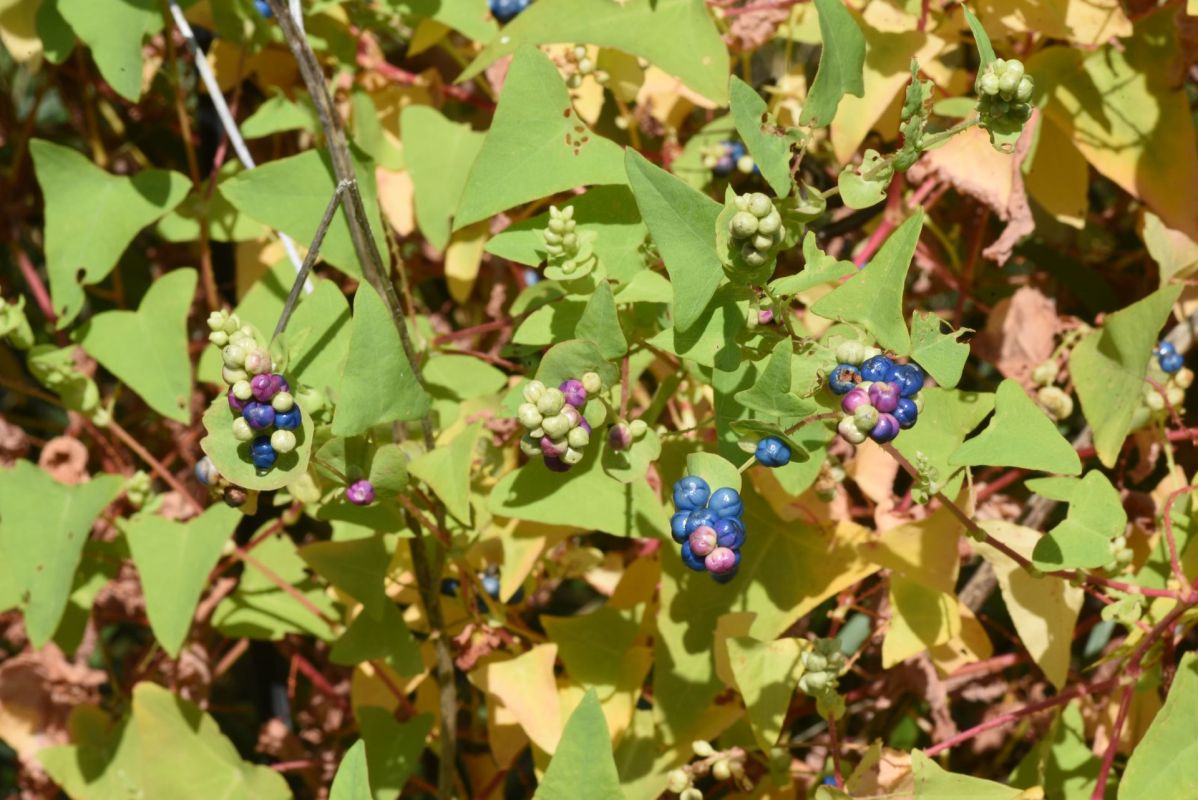
The vine can be identified by its slender stems, triangular leaves, curved prickles, and berries that eventually turn a bright blue.
Why does it matter?
Originally from Asia, mile-a-minute weed does best in wet places with lots of sun. As it grows, it climbs over crops, shrubs, and trees to reach more light, smothering the vegetation underneath.
Invasive plants like this can disrupt ecosystems, reduce biodiversity, and create extra costs for farmers, property owners, and public agencies. When local crews have to spend time and money controlling a fast-growing weed, it can also slow conservation work that would otherwise help support healthier land and communities.
"It's not yet really widely distributed, but it is so good at growing and so good at impacting our ecosystems and agriculture that it's a problem," Grzesiak added.
What's being done?
Officials are already using multiple strategies to contain the plant. Michigan Public reported that earlier this summer, the Barry, Calhoun, and Kalamazoo Cooperative Invasive Species Management Area released thousands of weevils in Calhoun County as a biological control tool.
"We anticipate that those weevils will not eradicate mile-a-minute weed, but we're hoping that they're a tool in the toolbox that can help us manage mile-a-minute weed," Grzesiak said.
Michigan Public reported that two Cooperative Invasive Species Management Area groups representing six Michigan counties are also working together to monitor and manage the weed with support from Michigan's Invasive Species Grant Program. The outlet said survey crews checked roughly 3,000 acres in Jackson County and 2,600 acres in Calhoun County without finding additional infestations.
Officials recommend cleaning shoes, gear, and vehicles after spending time outdoors, photographing suspected plants, and reporting them through the Midwest Invasive Species Information Network.
Grzesiak said hand-pulling can work in some cases but pointed out that, "often once it gets going, herbicides are the best way forward because there's just so much plant."
Grzesiak added: "It's really hard to control in any other way, and it's much too aggressive to just let it go."

Get TCD's free newsletters for easy tips, smart advice, and a chance to earn $5,000 toward home upgrades. To see more stories like this one, change your Google preferences here.







