


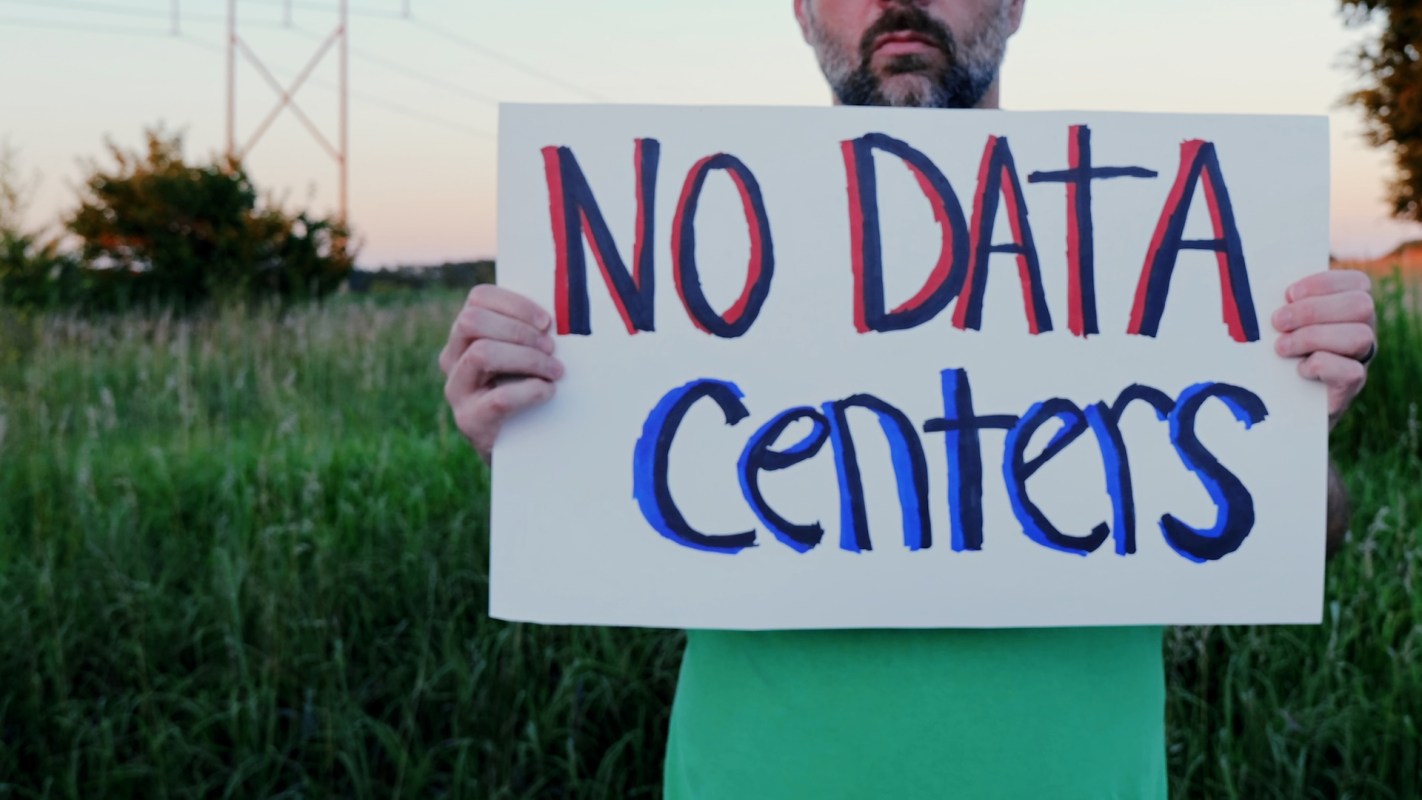
Across North Carolina, a widening fight over data centers is leading more local governments to try to slow new construction.
As Carolina Journal reported, more than 30 county and city governments in the state have put temporary holds on new data center proposals since February, driven by concerns about what the facilities could mean for nearby neighborhoods, water resources, and the power grid.
What's happening?
In communities ranging from mountain towns to larger cities, local boards have paused consideration of data center-related rezoning requests, special-use permits, site plans, and similar applications.
Opposition has taken shape through Facebook groups, petitions, and protests, with residents repeatedly pointing to electricity use, water demand, noise, and the impact of large industrial projects on nearby homes and communities.
In June, Rania Masri, co-director of the North Carolina Environmental Justice Network, backed the moratoriums in a statement.
"We are being told that AI data centers are inevitable — that communities must sacrifice their water, land, and health, and their economic future for Big Tech's greed," Masri wrote.
TCD Picks » Quince Spotlight
💡These best-sellers from Quince deliver affordable, sustainable luxury for all




Supporters of continued development, including some state officials and business groups, argue that these temporary pauses may do less to stop projects than to steer them into other jurisdictions.
Why does it matter?
Data centers are increasingly tied to artificial intelligence, which relies on enormous computing systems to support everything from chatbots and cloud storage to smart home devices and business software.
AI also comes with potential benefits. It can help improve grid planning, speed up research, and optimize clean energy systems. However, those advantages come with tradeoffs when the infrastructure behind them requires vast amounts of electricity and water.
If utilities must build more infrastructure to serve power-hungry campuses, residents worry the costs could fall on households and small businesses through higher rates. Others have raised concerns about water withdrawals, backup generators, land use, security risks, and the broader social consequences of rapid AI expansion.
Republican state Reps. David Willis and Jeff McNeely acknowledged those concerns in an opinion piece published in the News & Observer in April.
"We understand the impulse," they wrote. "Nobody wants a massive industrial project dropped into their backyard without a real conversation about what it means for their community."
Still, they argued in the paper that "If we don't build this infrastructure here, it gets built somewhere else."
What's being done?
State lawmakers have debated broader rules for how North Carolina should manage data center growth, as Carolina Journal reported.
One proposal that passed the House, Senate Bill 730, the Ratepayer Protection Act, is languishing in the Senate Rules Committee. It would make data centers more accountable for their electricity and water use, per the outlet.
House Bill 1189 proposed a broader response featuring a two-year statewide halt on permits for data centers expected to use at least 100 megawatts, but did not advance.
Instead, Carolina Journal noted lawmakers made a narrower change in the budget by ending the sales-and-use tax break on electricity used by data centers.
Experts like Jon Sanders, director of the John Locke Foundation's Center for Food, Power, and Life, suggested to the outlet that the reach of local moratoriums is limited.
"The more important policy question is how to ensure data centers get the power they need without impacting the affordability and reliability of the grid for households and small businesses," Sanders concluded to Carolina Journal.

Get TCD's free newsletters for easy tips, smart advice, and a chance to earn $5,000 toward home upgrades. To see more stories like this one, change your Google preferences here.






