


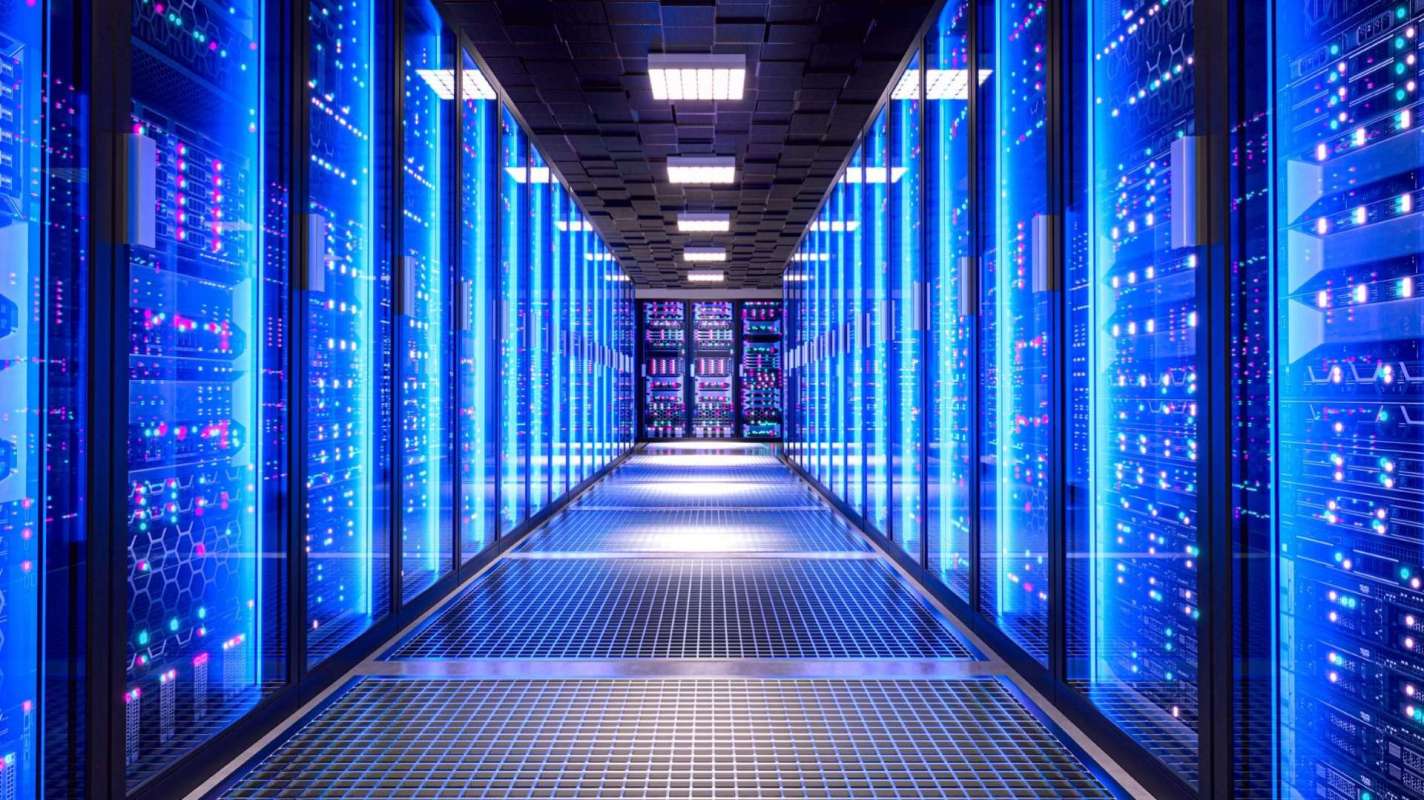
The growing backlash against data centers is putting an unglamorous part of the recent AI tech boom under new scrutiny: the enormous buildings that power chatbots, cloud services, and other digital tools while consuming massive amounts of electricity and water.
As communities weigh promised economic benefits against concerns about water use, electricity demand, and noise pollution, opposition appears to be hardening across party lines.
What's happening?
Former U.S. Labor Secretary Robert Reich used a recent YouTube video to argue that local impacts are making AI data centers increasingly unpopular. His bottom line was unambiguous: "It is time for a moratorium on AI data centers."
According to polling data, the vast majority of Americans share Reich's skepticism about data centers, with those feelings being shared across the political spectrum.
"Seven in 10 Americans oppose data center construction in their community," Reich said before tying the public backlash against data centers to a long list of complaints.
These concerns include "deafening noise," higher electricity bills, the pollution from diesel backup generators, and billions of dollars in state subsidies.
TCD Picks » Quince Spotlight
💡These best-sellers from Quince deliver affordable, sustainable luxury for all




Reich also pointed to a recent study by the Guardian that found more than half of the data centers planned across the United States would be built in drought-stricken areas, even though many of the facilities require enormous amounts of water for cooling.
According to Reich, some of the largest use up to 5 million gallons per day — "the equivalent to the water used by 50,000 people per day."
As one commenter wrote: "Data Centers drain water supplies and drive up electricity bills."
Why does it matter?
The opposition to data-center construction goes far beyond the standard NIMBYism.
AI has become increasingly associated with rising electricity prices because every query, image generation request, and automated workflow depends on power-hungry servers operating around the clock.
That growing energy demand can strain local utilities, increase the need for new generation and transmission infrastructure, and potentially drive up costs for households.
At the same time, AI is not inherently all downside. The technology can help improve grid efficiency, forecast electricity demand, optimize clean energy systems, and support research in transportation, agriculture, and manufacturing.
Still, those potential benefits do not erase the risks tied to rapid expansion, including high electricity and water use, security concerns, the potential for misuse, and unintended financial burdens for communities.
Reich argued that, under the current system, local residents are paying the costs in the form of air pollution, noise, and rising energy rates while giant tech companies and their billionaire CEOs capture all of the upside.
One commenter from Virginia, a state with one of the highest concentrations of data centers in the world, described the changes they had seen over the past decade in stark terms, writing that data centers arrived "like a tsunami wave" and warning others to: "Fight these things with all your might."
What's being done?
Local opposition is already showing up in policy fights around the country. However, local residents and even their elected representatives face an uphill battle in their fight against multi-billion-dollar corporations.
For example, Reich pointed to the residents of a small Michigan township, who had successfully organized against a proposed data center, only to have Big Tech sue and get the project pushed through anyway.
However, there have been some success stories. Reich also referenced a rural Wisconsin town that passed what he described as the nation's first referendum setting strict rules for data center development, along with an outright ban approved by the Seattle City Council.
Those clashes highlight a growing tension between local control and the political influence of deep-pocketed developers. Reich argued that "the public is rising up against data centers" and that "it's not red versus blue."
One commenter picked up on this theme, stating even more sharply: "It's not red vs blue. It's billionaire tech bros against YOU."

Get TCD's free newsletters for easy tips, smart advice, and a chance to earn $5,000 toward home upgrades. To see more stories like this one, change your Google preferences here.






