


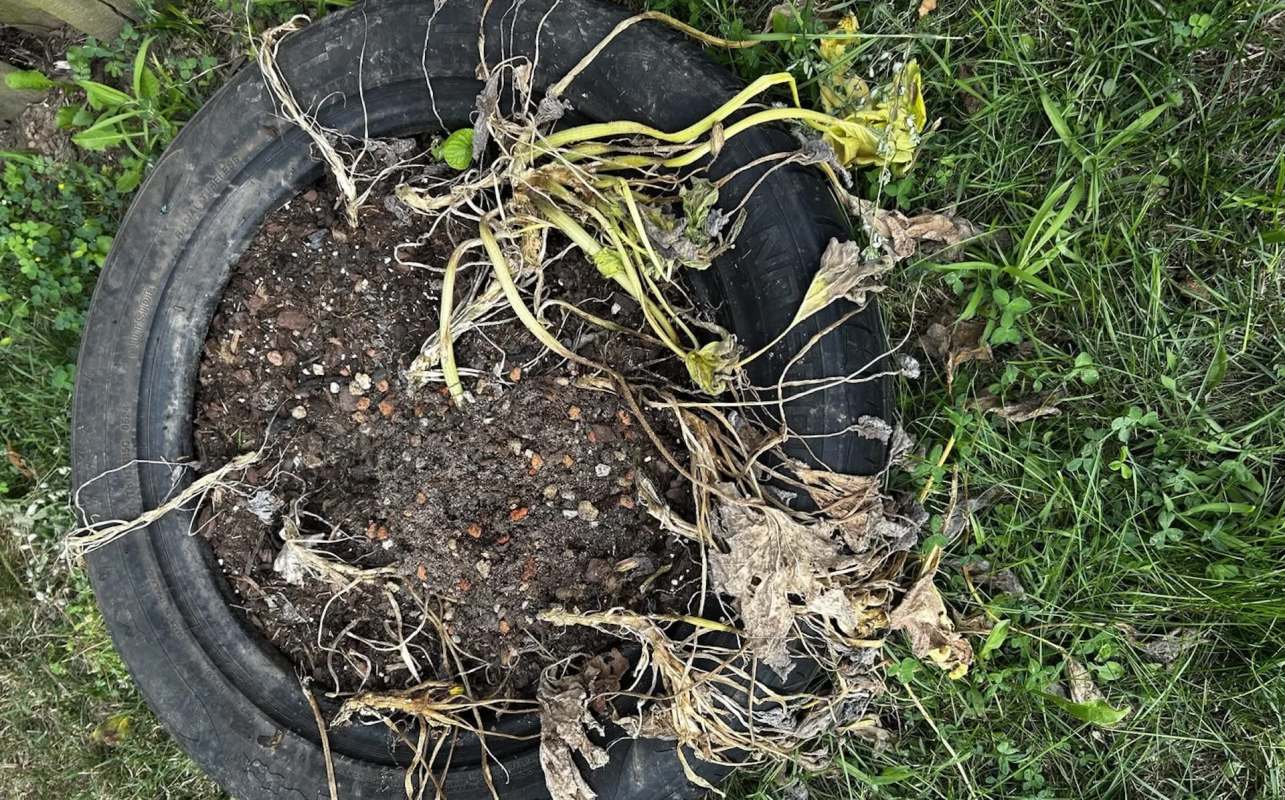
A gardening mystery left one Columbus, Ohio grower searching for answers after they came back from time away to find their zucchini badly damaged.
In a post on Reddit, the gardener asked what went wrong. Many commenters pointed to one likely explanation: the zucchini might not have gotten the deep, consistent watering they need.
What happened?
The original poster shared a photo of the zucchini plants in serious distress after they'd gone away.
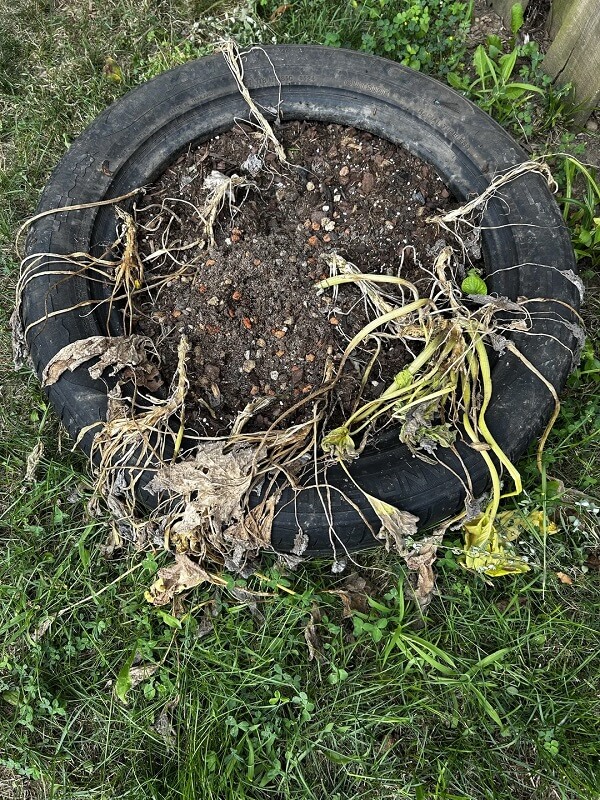
Although the original poster said the plants had been watered, many commenters doubted the roots had gotten enough moisture.
Several readers focused on lack of water. One asked, "Were you away for a month? Because that's a long time without water," while others said soil that looks damp on top can still leave the root zone dry.
A few commenters said that kind of decline can happen when a plant sitter wets only the surface. As one person wrote, "you actually have to soak it for like a full minute." Users also discussed possible tire-related toxicity, but other commenters said that idea did not explain the sudden damage as well as missed watering did.
TCD Picks » Quince Spotlight
💡These best-sellers from Quince deliver affordable, sustainable luxury for all




Even with the poster saying, "We were away, they were watered regularly," the thread kept returning to the same conclusion. One commenter replied, "They weren't watered regularly," and another added, "Seeing the tiny little wet spots at the base of each plant makes me think it could be this."
Another Redditor brought up the issue of pests as a potential additional cause for the plants' degradation: "This looks like a classic case of squash borer. The shade of yellow on the vine and the 'bruising' spots on the leaves are some symptoms."
Why does it matter?
Zucchini plants are vigorous growers, but they also need regular moisture, and potted plants can dry out much faster than vegetables planted directly in the ground.
When vegetables fail, gardeners lose time, money, and the food they hoped to grow at home. It can also discourage beginners trying to cut grocery costs or rely less on store-bought produce.
More resilient landscaping can ease the stress of keeping plants alive through hot weather or busy schedules. Native plantings and other lower-water options often require less upkeep than conventional grass lawns or thirsty annual beds, especially once they are established.
What can I do?
If you're growing vegetables in pots, water deeply rather than lightly depending on the type of plant. Check moisture below the surface, use mulch to slow evaporation, and consider self-watering containers or drip irrigation if you'll be away.
Beyond a vegetable garden, making water-wise changes for the whole backyard can also save money and time on maintenance while lowering water bills. Low-maintenance alternatives to a traditional grass lawn include native plants, clover, buffalo grass, and xeriscaping, all of which can reduce mowing, watering, and fertilizer use. Even a partial lawn replacement around garden beds or along borders can provide those benefits.
For more ideas, the TCD Guide has pages on rewilding your yard and upgrading to a natural lawn, including practical ways to create a yard that is easier to manage and better suited to local conditions.

Get TCD's free newsletters for easy tips, smart advice, and a chance to earn $5,000 toward home upgrades. To see more stories like this one, change your Google preferences here.






