


U.N. officials are warning that a developing El Niño, already posting unusually high intensity readings for this stage, could amplify hazardous weather around the world.
As the U.N. framed it, the climate pattern has moved beyond a warning sign and is already here: it is "inside the house."
What's happening?
El Niño is the natural warming of Pacific Ocean waters near the equator, and it can reshape weather patterns far beyond the ocean itself. In this case, one of the main Pacific regions used to monitor El Niño has reached its highest reading this early in the event, as KSAT reported.
The World Meteorological Organization said the pattern may intensify heat, drought, and heavy rainfall through next year.
"Two months ago, I warned that El Niño was arriving on our doorstep. Now it is inside the house — and turning up the heat," United Nations Secretary-General Antonio Guterres said, per KSAT.
Scientists do not expect this El Niño to peak until late fall, and it may continue into spring 2027. Many forecast models indicate it could rival or surpass the strongest event on record, although researchers say that is still uncertain.
TCD Picks » Quince Spotlight
💡These best-sellers from Quince deliver affordable, sustainable luxury for all




Jeffrey Shaman, a climate scientist at Columbia University, stressed how unusual conditions already are, KSAT reported.
"We're seeing something that is the warmest July ever recorded for that specific region," Shaman said.
Why does it matter?
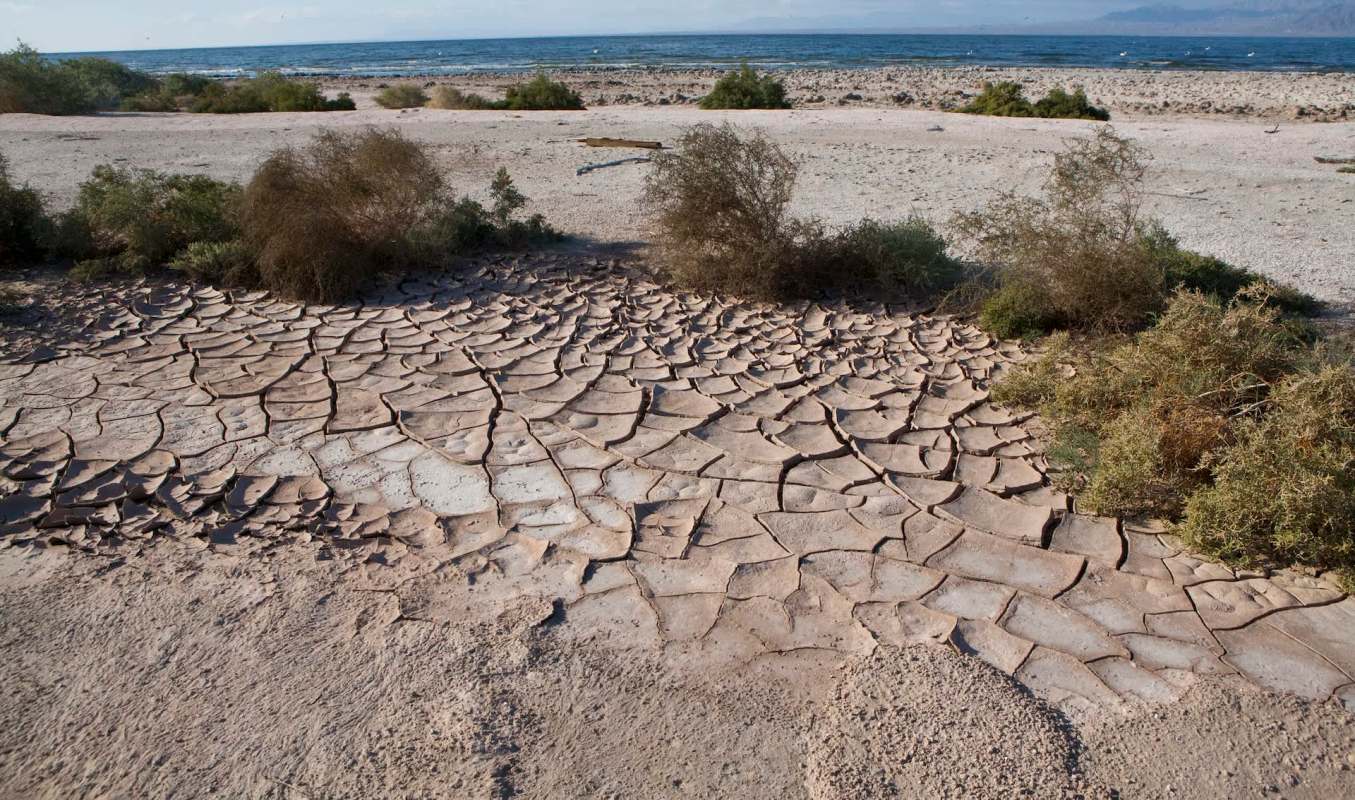
Because El Niño can shift rainfall and temperature patterns across continents, its impacts can vary dramatically by region. Some places become drier and more vulnerable to wildfire, while others face heavier rain and flooding. The World Meteorological Organization said parts of Asia, Australia, South America, and southern Africa face increased drought and wildfire risk, while other areas of North America and Europe are expected to be wetter than usual.
More extreme weather can quickly threaten lives around the world. Dangerous heat can send people to the hospital, strain power grids, and make outdoor labor hazardous. Drought can damage crops and drive up food prices. Flooding and wildfires can destroy homes, disrupt schools and businesses, and leave communities facing major rebuilding costs.
Guterres also emphasized that El Niño is unfolding alongside human-caused warming.
"We hear much about record heat, drought and wildfires — but not enough about the real change that is driving these events: the accelerating climate crisis powered by fossil fuels," he said.
Shaman offered a particularly stark warning about what could lie ahead.
"A year from now, it's going to be very hot in the Northern Hemisphere. And we're going to possibly have a summer like we've never experienced globally," he said.
What's being done?
U.N. officials say the focus now should be on preparation, not panic. According to KSAT, World Meteorological Organization Secretary-General Celeste Saulo said, "This El Niño, developing against the backdrop of unprecedented ocean heat and rising temperatures, provides governments and communities with a window of opportunity to anticipate risks and act before impacts unfold."
Guterres called for stronger early warning systems and more cooling protections to help reduce heat-related illness and death. He also pointed to workplace safety, especially for people whose jobs expose them to dangerous temperatures.
The U.N. says preparedness should be paired with cutting the fossil fuel pollution that is making extreme weather more severe.
"We are in uncharted territory," Guterres said. "The climate crisis is in overdrive."
He added, "The world must stop fueling the crisis. ... More coal, oil and gas will lead to a more combustible future."

Get TCD's free newsletters for easy tips, smart advice, and a chance to earn $5,000 toward home upgrades. To see more stories like this one, change your Google preferences here.






