


El Niño is back in focus after new weather forecasts suggest an unusually intense event could take shape from October 2026 through January 2027, potentially becoming a "super El Niño," according to the Weather Channel.
El Niño is a naturally recurring climate pattern in the tropical Pacific Ocean. It happens every few years when surface waters in the central and eastern equatorial Pacific become warmer than normal, shifting atmospheric circulation and altering weather patterns far beyond the ocean itself.
A super El Niño, on the other hand, is the unofficial term for an especially strong El Niño where ocean waters are at least 3.6 degrees Fahrenheit above their normal temperatures.
And the changes in weather patterns associated with El Niños can be destructive. In 1877, scientists recorded the strongest El Niño event. But with the prediction that this year's El Niño might become a super El Niño, researchers are asking: Is the modern world prepared for an event that strong?
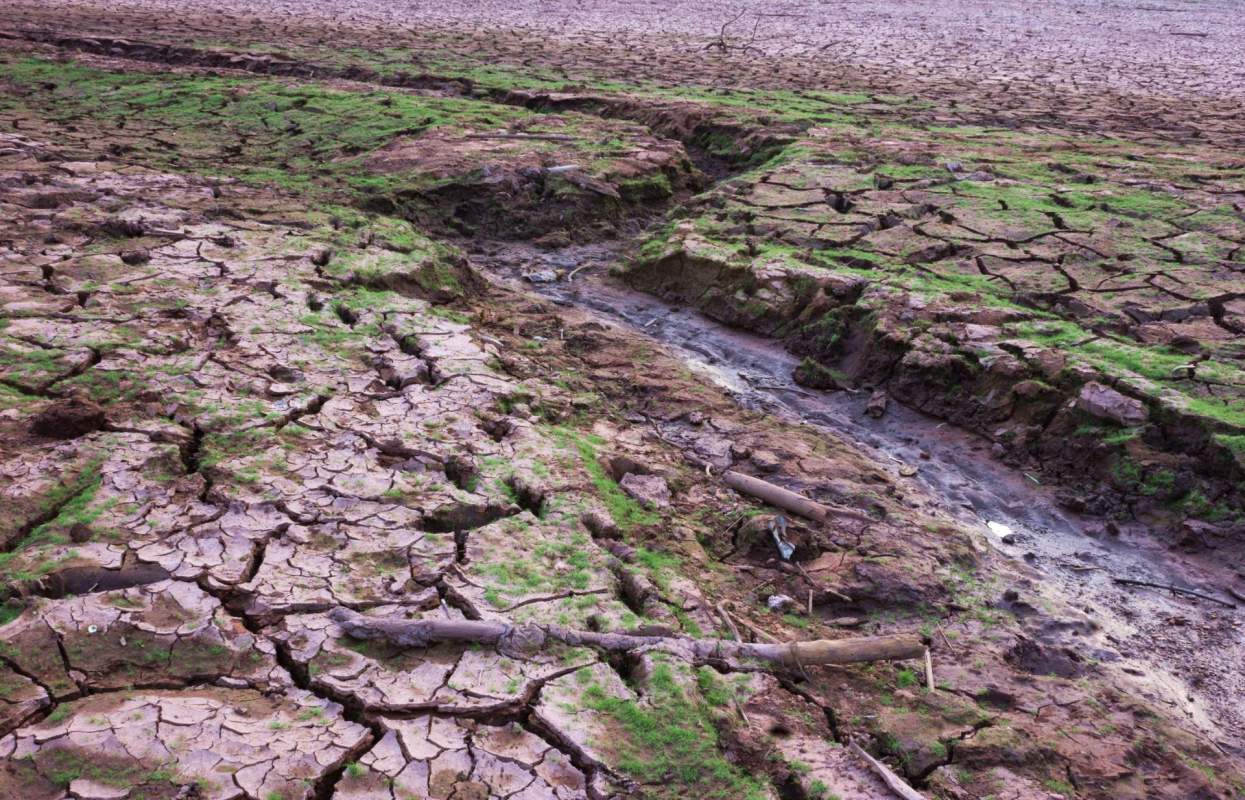
When the 1877-78 El Niño event occurred, it killed off so many crops that it led to a massive famine that was estimated to wipe out over 3% to 4% of the Earth's population, roughly 50 million people. As reported by the Washington Post, if this year's El Niño killed the same proportion of today's population, it could kill 250 million people.
Certainly, the modern world has better forecasting and infrastructure than it did in the 19th century, but many of the same high-risk regions remain exposed.
TCD Picks » Quince Spotlight
💡These best-sellers from Quince deliver affordable, sustainable luxury for all




This time around, El Niño could be supercharged by our warming planet.
One Washington State University professor who studies El Niño, Deepti Singh, explained this to the Washington Post, saying that "simultaneous multiyear droughts similar to those in the 1870s could happen again. What is different now is that our atmosphere and oceans are substantially warmer than they were in the 1870s, which means the associated extremes could be more extreme."
So while it is true that modern forecasting tools, such as the North American Multi-Model Ensemble, can detect developing ocean patterns months ahead of time, giving governments more opportunity to prepare, stronger tools do not guarantee safety.
Many communities around the world remain highly vulnerable to crop failure, water shortages, and extreme heat, especially where poverty, political instability, or weak infrastructure limit adaptation. A powerful El Niño could reveal just how interconnected and fragile our modern global system still is.

Get TCD's free newsletters for easy tips, smart advice, and a chance to earn $5,000 toward home upgrades. To see more stories like this one, change your Google preferences here.







